
What Homeowners Need to Know About Thermal Shock & Expansion in Roof Materials
- 1- Understanding Thermal Shock and Expansion in Roofing Materials
- 2- How Thermal Shock and Expansion Affect Your Roof
- 3- Types of Roof Materials and Their Vulnerabilities
- 4- Preventing Damage from Thermal Shock and Expansion
- 5- Real-Life Example: Dealing with Thermal Shock in Roofs
1. Understanding Thermal Shock and Expansion in Roofing Materials
Thermal shock and expansion are terms that refer to the way roof materials react to temperature fluctuations, which is a common issue in regions with extreme weather conditions, including Canada. These temperature changes can cause roofing materials to expand during the day when temperatures rise and contract when the temperatures drop at night. This constant back-and-forth can stress the roofing structure over time, leading to potential damage.Thermal shock happens when roofing materials are exposed to rapid temperature changes that they cannot accommodate, leading to cracking or warping. Expansion refers to the process by which materials enlarge due to heat, and this can strain the roof structure if the materials do not have enough flexibility or space to adjust.In Canada, where temperature swings between summer and winter can be extreme, it’s especially important for homeowners to be aware of how these factors can affect their roofs, which are constantly exposed to changing weather conditions.2. How Thermal Shock and Expansion Affect Your Roof
Thermal shock and expansion can have several negative effects on your roof, potentially leading to costly repairs or premature roof replacement. Here’s how these factors can affect the integrity of your roof:- Cracking and Warping: Frequent temperature fluctuations can cause roof materials like asphalt shingles, metal, and tiles to crack or warp. This is especially true for roofing materials that are rigid and lack the flexibility to expand and contract smoothly.
- Leaks: The expansion and contraction of roofing materials can loosen shingles, tiles, or flashing, leading to gaps where water can seep in. Over time, this can cause significant water damage inside the home.
- Reduced Lifespan: Continuous thermal stress can wear down roofing materials faster, reducing the overall lifespan of the roof. As the roof undergoes constant expansion and contraction, the materials become weaker and more susceptible to other forms of damage.
- Structural Strain: If thermal shock is severe enough, it can cause structural damage to the roof’s framing or deck, especially in areas where the roof materials are improperly installed or not adequately supported.
3. Types of Roof Materials and Their Vulnerabilities
Different roofing materials have varying degrees of susceptibility to thermal shock and expansion. Here’s an overview of how common roofing materials perform in relation to thermal stress:- Asphalt Shingles: Asphalt shingles are one of the most commonly used roofing materials, but they are relatively vulnerable to thermal shock. The constant expansion and contraction of asphalt shingles can cause them to crack, curl, or even break apart after prolonged exposure to extreme temperatures.
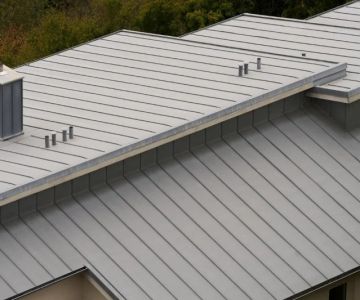
- Metal Roofing: Metal roofs, while durable and long-lasting, can also be susceptible to thermal expansion. The metal can expand and contract with temperature changes, which may cause seams to loosen or even lead to buckling over time. However, metal roofs are typically more resistant to cracking than asphalt shingles.
- Tile Roofing: Tile roofs are very durable but can crack under the pressure of extreme thermal shock, especially in areas with rapid temperature changes. The brittleness of some types of tiles can cause them to break or loosen with continued expansion and contraction.
- Wood Shingles: Wood shingles have natural flexibility, making them less prone to thermal shock. However, they can still be affected by severe temperature fluctuations, leading to expansion and contraction that can cause the wood to warp or split over time.
4. Preventing Damage from Thermal Shock and Expansion
While thermal shock and expansion are inevitable in many regions, there are steps you can take to prevent or minimize the damage they cause to your roof:- Choose Flexible Roofing Materials: Some materials are more resistant to thermal expansion and contraction. Metal and rubberized roofing options, for example, have greater flexibility than asphalt shingles or tiles, making them less prone to cracking or warping.
- Proper Installation: Ensuring your roof is installed correctly, with the appropriate amount of space for expansion and contraction, can significantly reduce the risks of thermal shock damage. Professionals should leave room for material movement to prevent stress on the roof structure.
- Regular Maintenance: Scheduling routine inspections can help catch early signs of damage caused by thermal shock. Replacing cracked or loose shingles and fixing any gaps in flashing can prevent further issues.
- Use Reflective Coatings: Applying reflective coatings to your roof can help mitigate the effects of thermal stress by reducing the amount of heat the roof absorbs, which can reduce the expansion and contraction cycles.
 Blackstar Aluminum Ltd4.0 (204 reviews)
 FIVE STAR ROOFING CORP5.0 (1 reviews)
 Metal Roof Repair & Waterproofing5.0 (2 reviews)
 Artisan Metal Roofing5.0 (8 reviews)
 Crown Roofing LTD4.0 (125 reviews)
 Zega Roofing4.0 (55 reviews)
 How Much Does a New Roof Cost in 2025? Canadian Roofing Price Guide
 Top Signs Your Roof Has a Leak and What to Do About It in Canada
 Can You Install a New Roof Over an Old One in Canada?
 The Top Questions to Ask Before Hiring a Roofer in Canada
 What Are the Most Common Roofing Scams and How to Avoid Them in Canada
 How to Prepare Your Home for a Roofing Project in Canada