
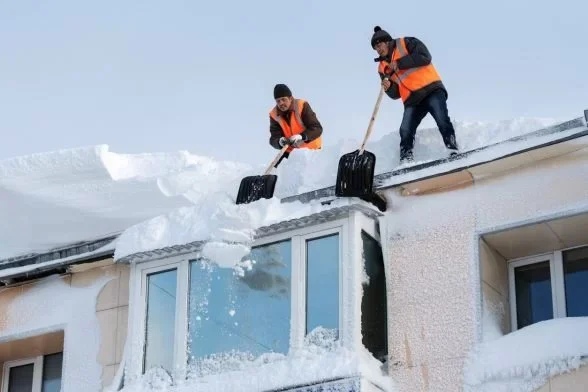
- 1 - Roofing Challenges in Canadian Winters
- 2 - Why Metal Roofs Excel in Heavy Snow
- 3 - Asphalt Shingles and Their Winter Performance
- 4 - Slate and Tile Roofs: Classic but Heavy Options
- 5 - The Importance of Roof Pitch and Design
- 6 - Role of Insulation and Ventilation in Snow Management
- 7 - Real-World Canadian Case Studies
- 8 - Cost vs. Durability: What Homeowners Should Consider
- 9 - Professional Recommendations for Snow-Heavy Regions
- 10 - Choosing the Best Roof for Your Home
1. Roofing Challenges in Canadian Winters
Canadian winters are known for heavy snowfalls, ice dams, and fluctuating temperatures that can take a toll on any roof. Homeowners in areas like Ontario, Quebec, and Alberta often ask: what is the best roof for heavy snow? The answer depends on balancing strength, durability, and design to handle snow loads while preventing leaks and structural issues.
Toitures Bernier et Fils / toitures bernier
QuébecCapitale-NationaleQuébec
1095 Chem. de la Canardière #4, Québec, QC G1J 2C2, Canada
2. Why Metal Roofs Excel in Heavy Snow
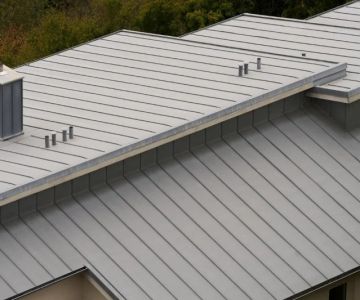
Metal roofs are widely regarded as the best option for regions with heavy snow. Their smooth surface allows snow to slide off easily, reducing buildup and preventing ice damming. In Banff, Alberta, ski lodges often use metal roofing because of its ability to shed snow quickly. Additionally, metal roofs can last 40–70 years, making them a long-term investment. They also resist rust and cracking, even in freezing temperatures.

Ottawa Eavestrough Group / eavestrough repair ottawa
340 Albert St, Ottawa, ON K1R 7Y6, Canada
3. Asphalt Shingles and Their Winter Performance
Asphalt shingles remain the most common roofing material in Canada due to affordability and accessibility. While they can perform well in moderate snow conditions, they are more prone to damage when exposed to heavy, prolonged snow loads. Reinforced shingles with fiberglass backing offer better protection. However, in extreme climates like Northern Ontario, homeowners often supplement shingle roofs with snow guards and enhanced ventilation systems.
4. Slate and Tile Roofs: Classic but Heavy Options
Slate and tile roofs are durable and beautiful but may not always be the most practical for snow-heavy Canadian regions. Their weight requires strong structural support, and improper installation can lead to cracks under freeze-thaw cycles. Still, in heritage areas of Quebec City, slate roofs remain popular for their timeless look and long-lasting nature when properly maintained.
5. The Importance of Roof Pitch and Design
Regardless of material, roof pitch plays a critical role in snow management. Steeply pitched roofs encourage snow to slide off, while flat or low-slope roofs accumulate snow that can strain the structure. For homes in snowy regions, combining the right pitch with durable materials can prevent costly damage. Some modern Canadian homes use hybrid designs, combining metal for steep sections and shingles for aesthetic areas.
6. Role of Insulation and Ventilation in Snow Management
Insulation and ventilation are often overlooked but vital. Without proper attic insulation, heat escapes and melts snow unevenly, causing ice dams along eaves. Ventilation ensures consistent airflow, reducing moisture buildup and prolonging roof life. A well-insulated roof not only handles snow better but also lowers heating bills in Canadian winters.
7. Real-World Canadian Case Studies
In Whistler, British Columbia, luxury cabins switched from traditional shingle roofs to standing-seam metal after repeated winter leaks. The upgrade reduced maintenance costs and provided peace of mind for property managers. Meanwhile, a family in Ottawa invested in roof restoration with reinforced asphalt shingles. With additional snow guards, their roof performed reliably during multiple record-breaking snowfalls. Many homeowners rely on trusted providers like Pickering Roofing to assess these scenarios and recommend the best solution.
8. Cost vs. Durability: What Homeowners Should Consider
Cost is often the deciding factor. Asphalt shingles are cheaper upfront, typically costing between $3,000 and $7,000 for an average home. Metal roofs, while more expensive at $12,000–$20,000, provide superior durability and reduced long-term maintenance. Homeowners must weigh short-term savings against long-term resilience, especially when facing unpredictable Canadian winters.
9. Professional Recommendations for Snow-Heavy Regions
Roofing professionals often recommend metal for snow-heavy areas but emphasize that every home is unique. The structure’s age, slope, and local climate conditions all influence the best choice. Consulting with experts ensures the roof not only survives winter but also enhances overall home performance.
10. Choosing the Best Roof for Your Home
When asking “What is the best roof for heavy snow?”, the answer depends on balancing practicality, budget, and durability. Metal roofs remain the leading choice for snow-heavy regions, but reinforced asphalt shingles and slate roofs still have their place. Canadian homeowners can make informed decisions by seeking expert advice from providers like Pickering Roofing, ensuring their roofs are ready to withstand the toughest winters.
 Marlad Roofing & Siding Inc4.0 (30 reviews)
 Pro Guard Roofing Toronto5.0 (13 reviews)
 AZ Roofing3.0 (3 reviews)
 A & M Roofing3.0 (11 reviews)
 547 Renovations Roofing Specialists4.0 (89 reviews)
 Eileen Roofing Inc3.0 (37 reviews)
 How Much Does a New Roof Cost in 2025? Canadian Roofing Price Guide
 Top Signs Your Roof Has a Leak and What to Do About It in Canada
 Can You Install a New Roof Over an Old One in Canada?
 The Top Questions to Ask Before Hiring a Roofer in Canada
 What Are the Most Common Roofing Scams and How to Avoid Them in Canada
 How to Prepare Your Home for a Roofing Project in Canada