
- 1 - Why Roof Design Matters in Snowy Climates
- 2 - Top Roof Materials for Heavy Snow
- 3 - Roof Pitch and Slope for Snow: What You Need to Know
- 4 - Understanding Snow Load Capacity for Your Roof
- 5 - Maintaining Your Roof in Winter: Essential Tips
- 6 - Choosing the Right Roof for Your Home in Snowy Regions
1. Why Roof Design Matters in Snowy Climates
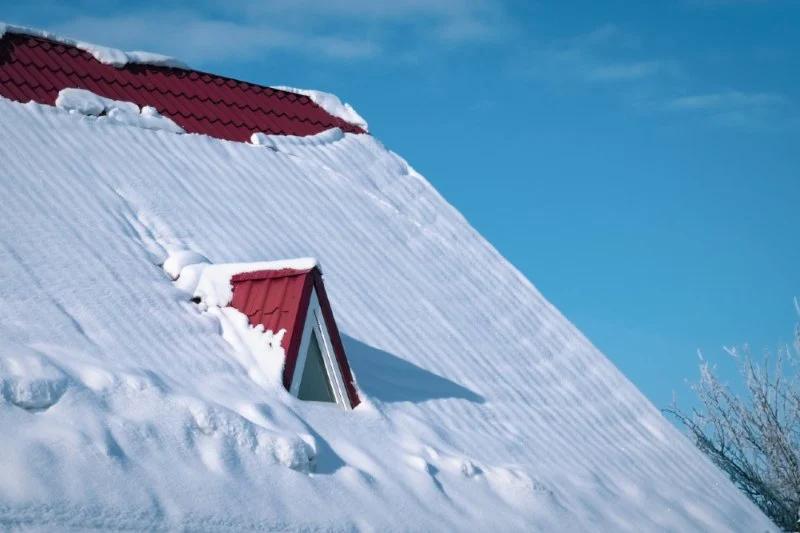
In areas with heavy snow, such as Canada, the design and structure of your roof are crucial for withstanding the winter months. A roof that isn’t built to handle heavy snow can lead to serious problems, such as collapsed roofs, water damage, and expensive repairs. Understanding the impact of snow on roofs can help homeowners choose the best roofing options to protect their homes.
Heavy snow can accumulate quickly, adding significant weight to your roof. The wrong type of roofing material or design can result in a roof failure, which is why it’s important to select a roof that’s both durable and designed to handle snow loads efficiently.
Horizon Roofing Ltd / horizon roofing
3735 Cabana Road E, Windsor, ON N8V 0A5, Canada
2. Top Roof Materials for Heavy Snow
When considering roofing options for areas with heavy snow, the material you choose is just as important as the design. Certain materials perform better in snowy climates, offering durability and long-lasting protection. Here are some of the top roofing materials for heavy snow:

Custom Contracting Roofing & Eavestrough Repair Waterloo / eavestrough repair waterloo
WaterlooWaterloo Regional MunicipalityOntario
165 Margaret Ave S, Waterloo, ON N2J 2E3, Canada
1. Metal Roofing
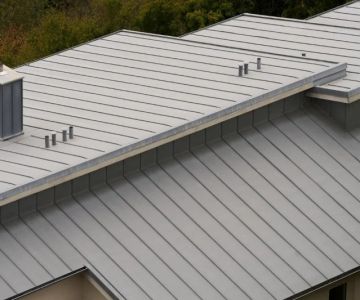
Metal roofs are one of the best choices for heavy snow regions. They are incredibly durable, weather-resistant, and have a smooth surface that helps snow slide off more easily. This prevents the buildup of heavy snow and ice, reducing the risk of collapse. Additionally, metal roofs reflect heat, which helps prevent ice dams from forming at the edge of your roof.
2. Asphalt Shingles
Asphalt shingles are a popular and affordable option for snowy climates. Modern asphalt shingles are designed to withstand harsh weather conditions, including snow. With proper installation and the right underlayment, asphalt shingles can provide adequate protection from snow and ice. However, they do require more maintenance than metal roofs.
3. Slate Roofing
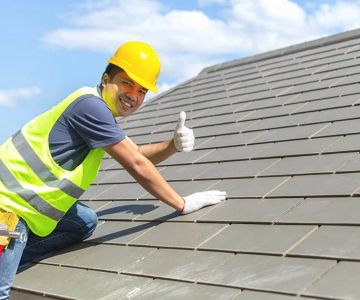
Slate roofing is a natural stone that’s highly durable and ideal for areas that experience heavy snow. It’s resistant to the weight of snow and can last for decades with minimal maintenance. Slate is also fire-resistant and provides excellent insulation for your home. However, slate roofs tend to be more expensive and require professional installation.
4. Cedar Shake Roofing
Cedar shake roofing offers a natural, rustic look and is often used in snowy areas. It’s a good option for homeowners looking for both aesthetic appeal and functionality. Cedar is a durable wood that can withstand the snow, but it requires regular maintenance to avoid issues like moss and mold buildup, which can occur when snow melts and refreezes.
3. Roof Pitch and Slope for Snow: What You Need to Know
Roof pitch plays a key role in how your roof handles snow. The steeper the roof pitch, the more easily snow can slide off. This is particularly important in areas with heavy snow, as a steep roof reduces the likelihood of snow buildup and prevents excessive weight from accumulating.
1. Steep Roof Pitch
For areas with heavy snowfall, a roof pitch of 6/12 or higher is recommended. This allows the snow to slide off quickly, reducing the risk of snow accumulation. A steeper pitch is especially important in regions that experience heavy, wet snow, which is much heavier than dry snow.
2. Low Roof Pitch
If your roof has a low pitch (less than 4/12), it’s more likely to trap snow and ice. In these cases, it's essential to install a roof that can handle the added weight, or consider adding a heated roof system to help with snow and ice melting.
4. Understanding Snow Load Capacity for Your Roof
Snow load refers to the amount of weight that your roof can safely support. It’s crucial to understand the snow load capacity of your roof, especially if you live in a region with heavy snowfall. The roof’s load-bearing capacity is influenced by factors such as the design, material, and age of the roof.
1. Calculating Snow Load
The snow load is typically measured in pounds per square foot (psf) and can vary depending on your location and the type of snow. Snow can accumulate to a depth of several feet, adding significant weight. It’s essential to ensure that your roof’s structure is designed to handle this load, and that it meets local building codes for snow loads.
2. Roof Reinforcement
If your roof was not designed for heavy snow or if you're unsure of its snow load capacity, it’s a good idea to have a professional roofing contractor assess and reinforce your roof to ensure it can handle the weight of snow without risk of collapse.
5. Maintaining Your Roof in Winter: Essential Tips
Proper maintenance is essential to ensure your roof performs well during the winter months. Here are some tips to help you maintain your roof during heavy snow:
1. Keep Gutters Clean
Clogged gutters can prevent water from draining properly, causing ice dams to form. Make sure your gutters are clear of debris and ice, so water can flow freely off the roof.
2. Inspect for Damage
Before winter sets in, inspect your roof for any signs of damage, such as cracked shingles or loose flashing. Repairing these issues before the snow arrives can prevent further damage during the winter months.
3. Remove Excess Snow
If snow accumulates on your roof, it’s important to remove it regularly to avoid excessive weight. Use a roof rake to carefully remove the snow, but avoid standing directly on the roof unless it's designed for safe access.
6. Choosing the Right Roof for Your Home in Snowy Regions
Choosing the right roof for heavy snow depends on a variety of factors, including your budget, desired aesthetic, and the amount of snow you expect to encounter. Metal roofs are often the best option for heavy snow areas due to their durability and snow-shedding capabilities. However, if you're looking for a more traditional look, slate or asphalt shingles may be better suited to your needs.
It’s essential to consult with a professional roofing contractor to ensure that your roof is designed to handle the specific snow load in your area. For expert advice and roofing services, visit Pickering Roofing, where you can find the best roofing solutions tailored to your needs.
 SH Roofing Aluminum4.0 (8 reviews)
 Trevor's Roof Repairs4.0 (46 reviews)
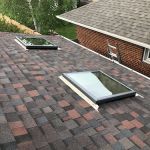 Sunroofing & Remodelling4.0 (12 reviews)
 Rhino Roofing and building3.0 (1 reviews)
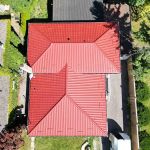 Full Metal Roofs5.0 (33 reviews)
 NorthCan Roofing Inc.5.0 (23 reviews)
 How Much Does a New Roof Cost in 2025? Canadian Roofing Price Guide
 Top Signs Your Roof Has a Leak and What to Do About It in Canada
 Can You Install a New Roof Over an Old One in Canada?
 The Top Questions to Ask Before Hiring a Roofer in Canada
 What Are the Most Common Roofing Scams and How to Avoid Them in Canada
 How to Prepare Your Home for a Roofing Project in Canada