
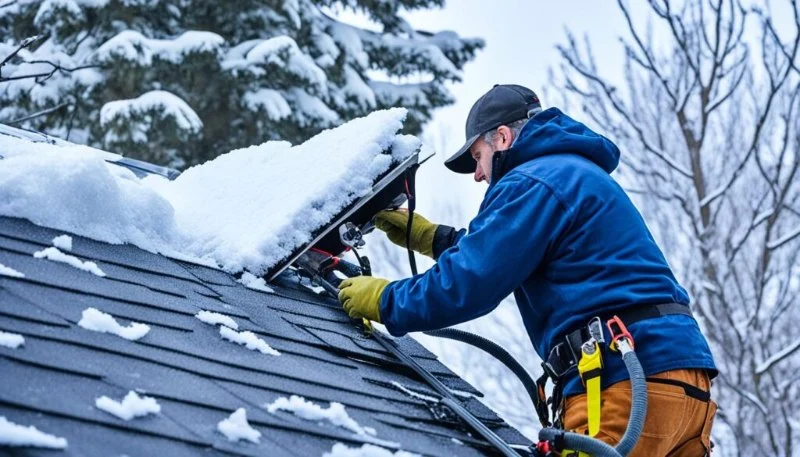
What to Expect From Roof Replacement in a Cold Climate
- 1. Understanding Roof Replacement in Cold Climates
- 2. Challenges of Roof Replacement in Cold Climates
- 3. Steps Involved in Roof Replacement
- 4. Choosing the Right Roofing Materials for Cold Climates
- 5. How to Prepare for Roof Replacement in Cold Weather
1. Understanding Roof Replacement in Cold Climates
Replacing a roof in a cold climate comes with its own set of unique considerations compared to warmer regions. In colder areas like Canada, snow, ice, and freezing temperatures can affect the materials, installation process, and timeline of a roof replacement project. Understanding these challenges will help homeowners prepare for the process and ensure the long-term durability of their new roof.
Advanced Level Roofing / advanced level roofing winnipeg
1549 St Mary's Rd #101, Winnipeg, MB R2M 5G9, Canada
2. Challenges of Roof Replacement in Cold Climates
Roof replacement in cold climates involves several challenges, such as:
- Temperature Fluctuations: Freezing temperatures can cause materials like asphalt shingles to become brittle, making them harder to work with.
- Snow and Ice: Accumulation of snow and ice on the roof or surrounding areas can make it difficult for contractors to access the roof safely and efficiently.
- Shorter Work Days: Due to shorter daylight hours in winter months, contractors may have less time to complete work each day.
- Moisture Concerns: Snow and ice can lead to moisture issues, which can interfere with the drying process of roofing materials like adhesives or underlayment.
Despite these challenges, roof replacement is still possible in cold climates, but it requires careful planning and the right equipment to ensure a smooth process.
Roof Rescue Ontario Inc. / trudel & sons roofing ltd
Whitchurch-StouffvilleRegional Municipality of YorkOntario
164 Hawthorn Ave, Whitchurch-Stouffville, ON L4A 4Y8, Canada
3. Steps Involved in Roof Replacement
Roof replacement involves several steps, which are generally consistent regardless of the climate. However, in colder areas, extra precautions are necessary at certain stages:
- Inspection and Preparation: Before beginning the replacement, the roof must be thoroughly inspected to assess its condition and determine the appropriate materials. In cold climates, extra attention is given to ice damming and snow accumulation.
- Material Removal: Old shingles and underlayment are removed. In colder temperatures, it's essential to remove these materials quickly to avoid the build-up of ice beneath them.
- Roof Deck Repair: If the deck is damaged, it will need to be repaired before installing the new roof. This is critical in cold climates where frozen materials can cause further damage to the roof deck.
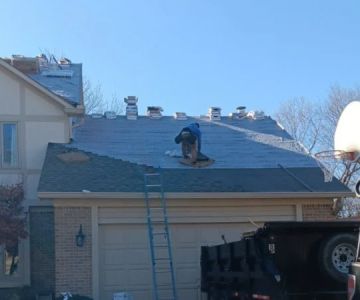
- Installation of New Materials: Depending on the materials chosen, installation is done carefully, especially in freezing conditions. Contractors may need to adjust their methods to prevent the shingles or other materials from becoming damaged.
- Final Inspection and Clean-Up: After installation, the roof is inspected for any issues. Clean-up includes removing any debris that could cause long-term damage if left behind in freezing conditions.
Each of these steps requires precision and careful attention to detail, especially when working in harsh, cold conditions.
4. Choosing the Right Roofing Materials for Cold Climates
When selecting roofing materials for cold climates, it’s important to choose materials that can withstand extreme weather conditions and temperature fluctuations. The most commonly used materials include:
- Asphalt Shingles: While they are the most popular roofing material in Canada, they may become brittle in extreme cold. It’s important to choose high-quality asphalt shingles designed to resist low temperatures.
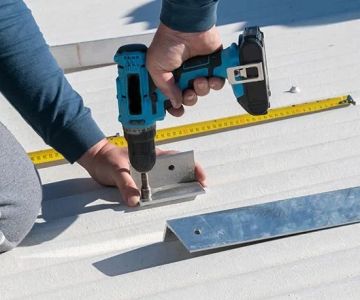
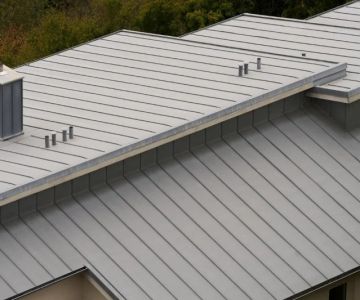
- Metal Roofing: Metal roofs are highly durable and resistant to ice and snow buildup. They are also energy-efficient, which is particularly beneficial in cold climates.
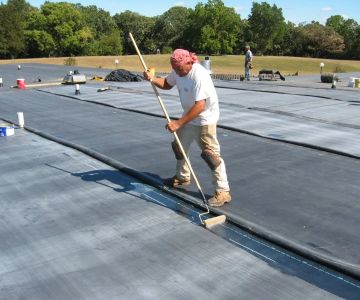
- Rubber Roofing: Rubber roofing, or EPDM, is a great option for flat roofs in cold climates as it is flexible and can handle extreme temperature shifts.
- Slate and Tile: While not the most common, slate and tile roofs offer excellent durability and longevity, particularly in areas that experience heavy snow or ice.
At Pickering Roofing, we offer expert advice on selecting the best roofing material for your home, ensuring that it will stand the test of time in Canada’s cold climate.
5. How to Prepare for Roof Replacement in Cold Weather
Preparing for a roof replacement in cold weather requires careful planning to ensure that the process runs smoothly:
- Schedule During a Dry Spell: While winter is cold, it’s ideal to schedule roof replacement during a dry spell when snow and rain are minimal.
- Clear the Area Around the Home: Remove any snow or ice from around the home and ensure that pathways to the roof are clear for contractors.
- Communicate with the Contractor: Ensure your contractor is aware of the cold climate challenges and has the proper equipment to handle them, such as heated tarps or special adhesives that work in low temperatures.
- Prepare for Disruptions: Be aware that roof replacement in cold weather may take longer than in warmer conditions due to limited daylight hours and weather delays.
Proper preparation will help ensure that the roof replacement process is as efficient and cost-effective as possible, even during the colder months.
 Bert Drury Roofing Services5.0 (8 reviews)
 ABC roof service5.0 (34 reviews)
 Baraco Roofing Services Inc5.0 (4 reviews)
 Copper Ridge Exteriors Limited5.0 (1 reviews)
 CentiMark Ltd.0.0 (0 reviews)
 M Roofing5.0 (1 reviews)
 How Much Does a New Roof Cost in 2025? Canadian Roofing Price Guide
 Top Signs Your Roof Has a Leak and What to Do About It in Canada
 Can You Install a New Roof Over an Old One in Canada?
 The Top Questions to Ask Before Hiring a Roofer in Canada
 What Are the Most Common Roofing Scams and How to Avoid Them in Canada
 How to Prepare Your Home for a Roofing Project in Canada