
- 1 - #understanding-roof-insurance-claims-for-hail-and-wind-damage
- 2 - #steps-to-take-after-hail-or-wind-damage-to-your-roof
- 3 - #what-to-expect-from-your-roof-insurance-claim
- 4 - #common-mistakes-to-avoid-during-the-claims-process
- 5 - #how-to-choose-a-roofing-contractor-for-insurance-claims
1 - Understanding Roof Insurance Claims for Hail and Wind Damage
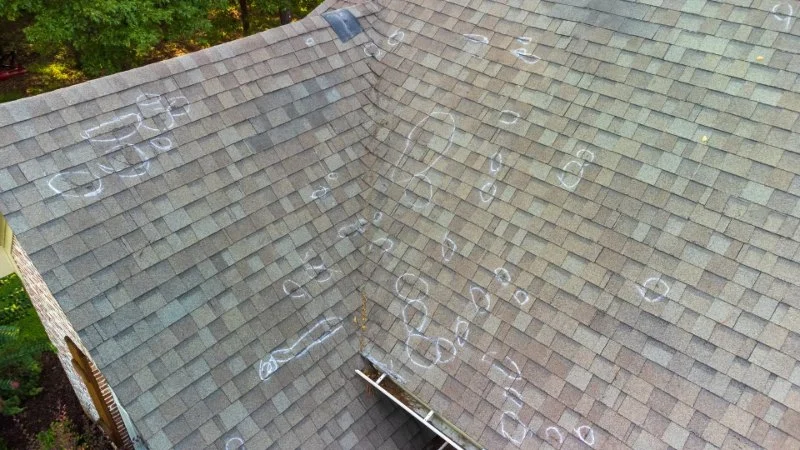
When your roof suffers damage from severe weather conditions like hail or high winds, it can be frustrating to navigate the insurance claim process. Roof insurance claims are essential for homeowners to recover costs related to roof repairs or replacements. It’s important to understand the types of coverage available, what is covered under your insurance policy, and the process of filing a claim.
In Canada, most homeowners' insurance policies cover roof damage caused by hail or wind, but the details may vary depending on the insurer and your specific coverage. It’s crucial to review your insurance policy regularly and make sure that your coverage includes the necessary protections for roof damage.
Ck Roofing Solutions / ck roofing solutions
MarkhamRegional Municipality of YorkOntario
8 Hikers Ln, Markham, ON L6B 0K3, Canada
2 - Steps to Take After Hail or Wind Damage to Your Roof
After your roof has been damaged by a storm, taking immediate action is key to minimizing further damage and starting the insurance claims process. Here are some steps to follow:
- Assess the Damage: Carefully inspect the roof from a safe distance to assess the damage. Look for missing shingles, dents, or any visible holes that may have occurred due to the storm.
- Document the Damage: Take clear and detailed photos of all damage to the roof and surrounding areas. This documentation will be crucial for your insurance claim.
- Contact Your Insurance Provider: Notify your insurance company as soon as possible. Most insurers have a dedicated claims department to help guide you through the process.
- Get an Inspection: Consider hiring a professional roofing contractor to inspect the damage. Many insurers require an inspection to confirm the extent of the damage.
3 - What to Expect from Your Roof Insurance Claim
Once you’ve filed your roof insurance claim, you may wonder what the next steps will be. Here’s a breakdown of the general claims process:
- Claim Review: Your insurer will review the damage reports, photos, and inspections. They may send an adjuster to assess the damage firsthand.
- Approval or Denial: Based on the review, your insurance company will either approve or deny your claim. If approved, you’ll receive compensation for repairs or replacement according to your policy terms.
- Estimate for Repairs: Once your claim is approved, an estimate will be made for the cost of repairs. This may be based on the inspection report and additional assessments by the contractor.
- Payment: The insurer will typically pay for the repairs, minus any deductible. If the damage is significant, they may also cover the cost of a full roof replacement, depending on your policy.
4 - Common Mistakes to Avoid During the Claims Process
Navigating the roof insurance claim process can be complex, and there are several common mistakes homeowners should avoid to ensure a smooth experience:
- Delaying the Claim: Delaying the filing of your claim can make it more difficult to prove the extent of the damage. File your claim as soon as possible after the storm.
- Ignoring the Fine Print: Always read the details of your insurance policy. Some policies may have exclusions or limitations for storm-related damage.
- Not Hiring a Professional for Inspection: Professional roofers can provide valuable insights into the damage that might not be immediately visible. A proper inspection helps in accurately assessing the situation.
- Underestimating the Deductible: Be sure to understand your deductible before filing the claim. If the deductible is too high, it may not be worth filing a claim for minor damage.
5 - How to Choose a Roofing Contractor for Insurance Claims
Choosing a reliable and experienced roofing contractor is essential for ensuring that the repairs are done properly. Here are a few tips for selecting the right contractor:
- Look for Licensed and Insured Contractors: Make sure the contractor is properly licensed and insured to perform roof repairs. This protects you from any liability in case of accidents during the job.
- Check References and Reviews: Look for contractors who have good reviews and can provide references from previous clients. Word-of-mouth recommendations can also be a helpful resource.
- Get Multiple Estimates: It’s a good idea to get at least three estimates to compare pricing and services. Ensure the estimates are detailed and include the necessary work and materials for the repair.
- Verify Experience with Insurance Claims: Choose a contractor who has experience working with insurance claims. They can assist you in understanding the process and help you maximize your claim coverage.
Filing a roof insurance claim after hail or wind damage can seem daunting, but with the right approach, you can ensure that the repairs are covered and your home is restored. For further assistance and recommendations for roofing contractors, visit Pickering Roofing for expert advice and services.

 Toitures Célestes5.0 (42 reviews)
 WOW Roofing and Insulation4.0 (29 reviews)
 Accell Roofing Inc4.0 (57 reviews)
 AM Group Exteriors - London4.0 (260 reviews)
 Royal Roofing Ltd. Saskatoon1.0 (2 reviews)
 Diamond Roofing Inc5.0 (3 reviews)
 How Much Does a New Roof Cost in 2025? Canadian Roofing Price Guide
 Top Signs Your Roof Has a Leak and What to Do About It in Canada
 Can You Install a New Roof Over an Old One in Canada?
 The Top Questions to Ask Before Hiring a Roofer in Canada
 What Are the Most Common Roofing Scams and How to Avoid Them in Canada
 How to Prepare Your Home for a Roofing Project in Canada