
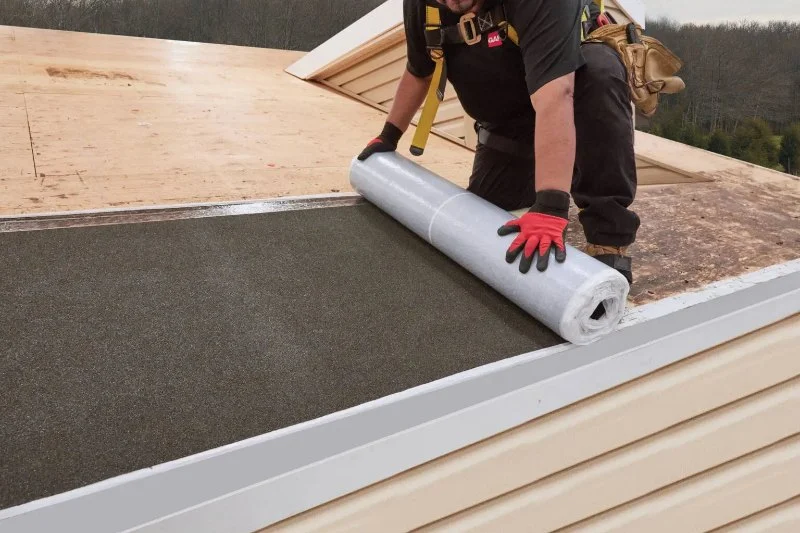
What to Know About Roof Valley Liners & Waterproof Underlays
- 1. Understanding Roof Valley Liners
- 2. What Does a Waterproof Underlay Do?
- 3. Benefits of Roof Valley Liners and Waterproof Underlays
- 4. Choosing the Right Valley Liner and Waterproof Underlay
- 5. Maintaining Valley Liners and Waterproof Underlays
1. Understanding Roof Valley Liners
Roof valley liners are essential components of your roofing system, designed to guide water off the roof and into the gutters. The "valley" refers to the intersection of two roof planes, where water naturally flows. A valley liner is installed in this area to prevent leaks and water damage, ensuring that rainwater is directed safely off the roof. Without a proper valley liner, water can seep under the shingles, causing structural damage to the roof and the interior of the house.
Valley liners are typically made from materials like metal, rubber, or synthetic membranes. These materials provide durability, flexibility, and waterproofing properties, making them ideal for preventing water from leaking through the valley area. The liner helps to reinforce the roof’s resistance to the elements, ensuring the longevity of your roofing system.
Marlad Roofing & Siding Inc / marlad
BramptonRegional Municipality of PeelOntario
30 Hale Rd Unit 14, Brampton, ON L6W 4N9, Canada
2. What Does a Waterproof Underlay Do?
A waterproof underlay, also known as an underlayment, is a protective layer installed beneath the roof covering (such as shingles, tiles, or metal panels). It serves as an additional barrier against water infiltration and provides an extra layer of protection in case the outer roof layer is damaged.
Waterproof underlays are typically made from materials like felt, synthetic fabrics, or rubberized asphalt, which are designed to resist moisture and prevent leaks. These underlays are particularly useful in areas with heavy rainfall or snow, as they provide added protection in case of water pooling or ice dams. The underlay also helps to regulate temperature, providing an additional layer of insulation that can improve energy efficiency in your home.
Lam Metal / lam metals
BurnabyMetro VancouverBritish Columbia
6962 Buller Ave, Burnaby, BC V5J 4V4, Canada
3. Benefits of Roof Valley Liners and Waterproof Underlays
Both roof valley liners and waterproof underlays offer several important benefits that contribute to the overall health of your roof and the protection of your home. Here are the key advantages:
3.1 Prevent Water Damage
The most significant benefit of both valley liners and waterproof underlays is their ability to prevent water damage. By directing water safely off the roof and providing an additional layer of protection, these components help reduce the risk of leaks, mold, and rot in your roof structure and walls. This is especially important for homes in regions with heavy rain or snow.
3.2 Increased Longevity of Roofing Materials
By protecting the underlying structure of your roof from water infiltration, valley liners and waterproof underlays help extend the lifespan of your roofing materials. Without these protective layers, shingles and tiles can become damaged more quickly due to water exposure, leading to costly repairs or replacement. Properly installed liners and underlays can help maintain the integrity of your roof for many years.
3.3 Enhanced Energy Efficiency
Waterproof underlays provide an additional layer of insulation, helping to maintain the temperature inside your home. This can reduce the load on your HVAC system, keeping your home cooler in the summer and warmer in the winter. Valley liners, by ensuring proper drainage and reducing moisture accumulation, also contribute to a healthier and more energy-efficient home environment.
3.4 Improved Roof Aesthetics
While the primary function of valley liners and waterproof underlays is protection, they can also enhance the aesthetics of your roof. By preventing water from seeping under the shingles, these components ensure that your roof maintains its appearance over time, free from unsightly water stains or damage.
4. Choosing the Right Valley Liner and Waterproof Underlay
When selecting valley liners and waterproof underlays for your roofing system, it's important to consider several factors to ensure the best performance and compatibility. Here are some tips for making the right choice:
4.1 Material Selection
The material you choose for your valley liner and underlay will significantly impact their effectiveness. Metal liners, for example, are highly durable and offer excellent waterproofing properties, making them ideal for harsh weather conditions. Rubber or synthetic liners offer flexibility and can conform to the roof’s shape, providing a more versatile solution for different roof designs. Underlays made from synthetic materials like polypropylene or fiberglass offer excellent water resistance and are less prone to damage compared to traditional felt underlays.
4.2 Installation Considerations
Proper installation is crucial for the effectiveness of your valley liner and waterproof underlay. Incorrect installation can result in water pooling, leaks, and other issues. It’s recommended to hire a professional roofing contractor who is experienced in installing these components. A professional can ensure that the materials are correctly applied, seams are properly sealed, and your roof is fully protected.
4.3 Budget and Longevity
While it’s important to choose high-quality materials, you should also consider your budget and the expected lifespan of the products. Some waterproof underlays and valley liners are more expensive due to their higher durability and performance. However, investing in quality materials can save you money in the long run by reducing the frequency of repairs or replacements.
5. Maintaining Valley Liners and Waterproof Underlays
Maintaining your roof valley liners and waterproof underlays is essential for ensuring their continued effectiveness. Here are some maintenance tips:
5.1 Regular Inspections
Inspect your roof valley liners and underlays during regular roof maintenance checks. Look for signs of wear, damage, or improper sealing that could compromise their effectiveness. Pay particular attention to areas where the roof intersects at the valleys, as these are the most vulnerable to leaks.
5.2 Clean the Roof Area
Keep the area around the roof valleys clear of debris, leaves, and other materials that can obstruct water flow. Blockages can cause water to back up and potentially cause leaks, leading to damage to your valley liners and underlays.
5.3 Professional Roof Inspections
To ensure the longevity of your roof valley liners and waterproof underlays, schedule professional roof inspections at least once a year. A professional roofing contractor can identify any potential issues and make necessary repairs before they become major problems.
For expert advice on choosing the best valley liners and waterproof underlays for your roof, visit Pickering Roofing for top-quality roofing products and services tailored to your needs.
 Superior Spray Foam5.0 (3 reviews)
 Toitures Top Qualité Inc.4.0 (6 reviews)
 Dawson and Sons Roofing5.0 (22 reviews)
 Scarborough Roofing Shingle, Flat & Metal Roofs0.0 (0 reviews)
 Pitch Perfect Roofing Ltd5.0 (4 reviews)
 Toiture Bricollard5.0 (7 reviews)
 How Much Does a New Roof Cost in 2025? Canadian Roofing Price Guide
 Top Signs Your Roof Has a Leak and What to Do About It in Canada
 Can You Install a New Roof Over an Old One in Canada?
 The Top Questions to Ask Before Hiring a Roofer in Canada
 What Are the Most Common Roofing Scams and How to Avoid Them in Canada
 How to Prepare Your Home for a Roofing Project in Canada