
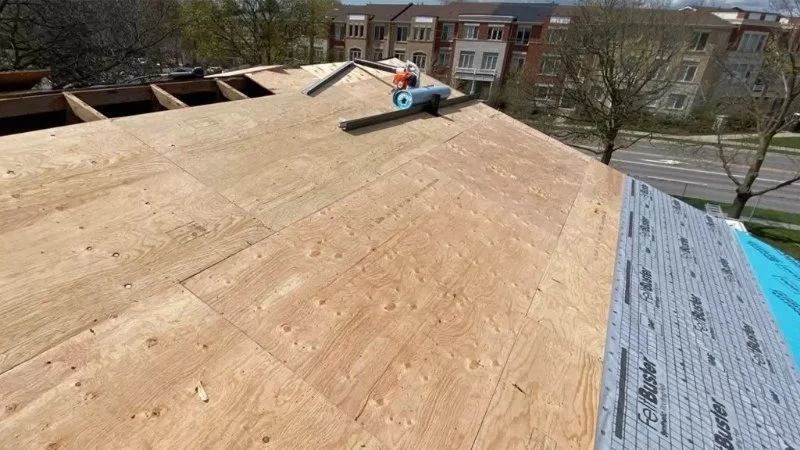
What to Look for in a Roof After Buying a New Home
Buying a new home is an exciting milestone, but it’s also a time to pay attention to important details that may affect the long-term value and safety of your property. One area that often gets overlooked by new homeowners is the roof. A well-maintained roof is crucial for protecting your home from the elements, and spotting potential issues early can save you significant money and stress down the road. In this article, we’ll discuss what to look for in a roof after buying a new home, helping you ensure that your investment is protected from the start.
- Why Roof Maintenance Is Crucial
- Key Things to Check on a Roof After Buying a Home
- Common Signs of Roof Damage
- How to Conduct Roof Inspections
- When to Call a Roofing Professional
- Choosing the Right Roofing Service
Why Roof Maintenance Is Crucial
The roof is your home’s first line of defense against the elements. Whether it’s rain, snow, or extreme heat, your roof works tirelessly to protect your home and everything inside it. However, roofs can deteriorate over time, and unnoticed issues can turn into costly repairs. Regular roof maintenance ensures that your roof remains in good condition, preventing leaks, structural damage, and mold growth.
Roof Doctor / roof doctors
KelownaCentral OkanaganBritish Columbia
715 Evans Ct, Kelowna, BC V1X 6G4, Canada
1. Protecting Your Home from Weather Damage
A damaged roof can lead to leaks, water damage, and mold, which can affect your home’s structure and your health. By performing regular roof inspections and maintenance, you can prevent weather damage from seeping into your home and avoid extensive repairs later on.
XACT Roof & Renovation Ltd. / xact roofing
227 Regent Ave W, Winnipeg, MB R2C 1R3, Canada
2. Enhancing the Lifespan of Your Roof
Roof repairs are often less expensive than a full replacement. By addressing small issues early, you can extend the lifespan of your roof and avoid the need for costly replacement sooner than expected.
Key Things to Check on a Roof After Buying a Home
After purchasing a new home, it’s important to assess the condition of the roof right away. Even if the house is newly built, it’s wise to check for any potential issues. Here’s what you should look for:
1. Age of the Roof
Understanding the age of your roof is essential because roofs have a limited lifespan. Asphalt shingles typically last 20-30 years, while metal roofs can last up to 50 years or more. Knowing how old your roof is will help you determine when it may need replacement and whether any repairs are necessary.
2. Shingle Condition
Examine the shingles for signs of wear and tear. Look for cracked, curling, or missing shingles, as these can lead to leaks and water damage. If you notice damaged shingles, it’s a good idea to replace them as soon as possible to prevent further damage.
3. Roof Valleys
The valleys of a roof are the areas where two roof sections meet, creating a V-shape. These areas are particularly prone to water buildup, so check them for any signs of damage or wear. If water gets trapped in the valleys, it can lead to leaks inside your home.
4. Flashing Around Vents and Chimneys
Roof flashing is the metal material used to seal joints and prevent water from entering the house. Check the flashing around vents, chimneys, and skylights for any signs of rust, gaps, or damage. Faulty flashing is one of the leading causes of leaks.
5. Gutters and Downspouts
Clean and well-maintained gutters are essential for directing water away from your roof. Clogged gutters can cause water to back up onto the roof, leading to damage. Ensure your gutters are clear of debris, and check that downspouts direct water away from the foundation.
Common Signs of Roof Damage
It’s important to be aware of the common signs of roof damage that may indicate the need for repairs or replacement. Here are some red flags to watch out for:
1. Water Stains or Leaks Inside the Home
Water stains or leaks on the ceiling or walls often indicate roof damage. If you notice discoloration, bubbling paint, or sagging areas on the ceiling, it could be a sign of water seeping through the roof.
2. Mold and Mildew
Moisture from leaks can lead to mold and mildew growth inside your home. If you detect a musty smell or see visible mold, it could be a sign that your roof is compromised.
3. Visible Damage to Roofing Materials
Check for obvious damage to roofing materials, such as cracked or missing shingles. If you notice pieces of the roof material in your yard, it’s a sign that your roof is deteriorating and may require repair or replacement.
How to Conduct Roof Inspections
Regular roof inspections are key to catching issues before they become major problems. Here’s how to perform a roof inspection safely and effectively:
1. Perform Visual Inspections from the Ground
Start by inspecting your roof from the ground. Use binoculars to look for obvious signs of damage, such as missing shingles or sagging areas. This will give you an overall sense of the roof’s condition.
2. Use a Ladder for Closer Inspection
If it's safe to do so, use a ladder to get a closer look at the roof. Check for damaged shingles, flashing issues, and debris buildup. Always be cautious when using a ladder, and ensure it’s stable before climbing.
3. Inspect the Attic
Your attic can provide insight into the health of your roof. Look for signs of water damage, such as water stains or damp spots, on the ceiling beams. Check for daylight coming through the roof, which could indicate holes or gaps that need repair.
When to Call a Roofing Professional
While DIY inspections are helpful, it’s important to call in a professional roofing contractor when you spot significant damage. Here’s when you should seek professional help:
1. When You Spot Serious Damage
If you notice large areas of missing shingles, significant leaks, or sagging rooflines, it’s time to contact a roofing professional. These issues require immediate attention to prevent further damage to your home.
2. If You’re Unsure About Roof Conditions
If you’re unsure about the extent of the damage or need expert advice on whether repairs are needed, a professional inspection can provide peace of mind. They can assess the roof’s condition and give you an honest evaluation.
Choosing the Right Roofing Service
Finding the right roofing contractor is crucial for ensuring that repairs are done correctly and efficiently. Here are some tips for choosing the best roofing service:
1. Check for Proper Licensing and Insurance
Ensure the roofing contractor is properly licensed and insured. This protects you in case of any accidents or damages that occur during the repair process.
2. Look for Experience and Reviews
Choose a roofing contractor with years of experience and a good reputation. Read reviews from other homeowners to get a sense of their reliability and the quality of their work.
3. Get Multiple Quotes
Before choosing a roofing service, get quotes from at least three different contractors. Compare the pricing and the services offered to ensure you’re getting a fair deal.
If you need professional roofing services, contact Pickering Roofing for expert inspections, repairs, and replacements. We’ll help you ensure your roof is in top condition, keeping your home safe and protected.
 Over the Top Roofing3.0 (6 reviews)
 Marlad Roofing & Siding Inc4.0 (30 reviews)
 Toitures URBI4.0 (36 reviews)
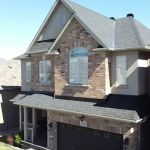 Twin Peaks Roofing and Aluminium Inc.4.0 (61 reviews)
 Ready Roofers5.0 (21 reviews)
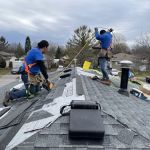 Advanced Level Homes5.0 (27 reviews)
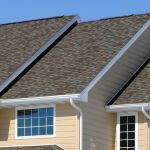 How Much Does a New Roof Cost in 2025? Canadian Roofing Price Guide
 Top Signs Your Roof Has a Leak and What to Do About It in Canada
 Can You Install a New Roof Over an Old One in Canada?
 The Top Questions to Ask Before Hiring a Roofer in Canada
 What Are the Most Common Roofing Scams and How to Avoid Them in Canada
 How to Prepare Your Home for a Roofing Project in Canada