
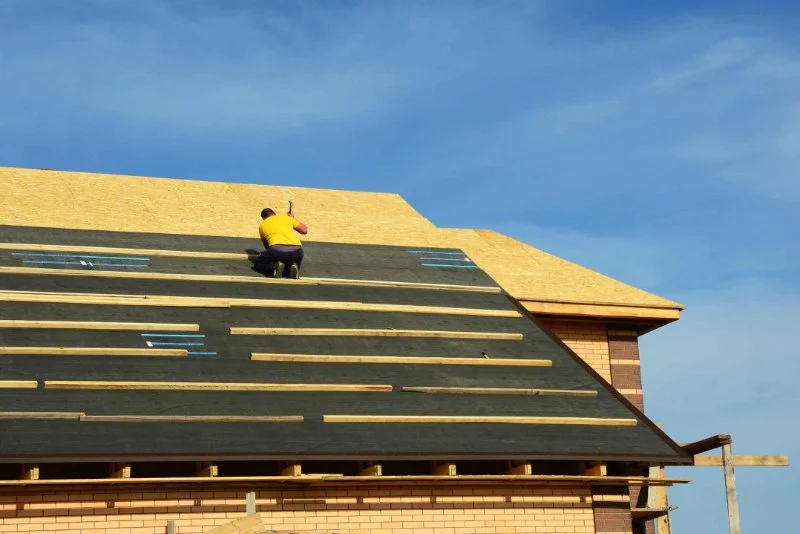
1. What is Roof Underlayment and Why Is It Important?
Roof underlayment is a vital component of any roofing system, serving as the protective layer that sits between the roof deck and the shingles. In Canada’s unpredictable weather, having a reliable underlayment is crucial for ensuring your home remains safe and dry. Whether you're replacing your roof or building a new home, choosing the right underlayment will provide added protection against water infiltration, leaks, and other environmental factors.
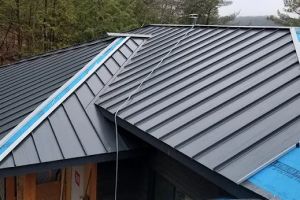
Concord Roofing / roofing company richmond hill
Richmond HillRegional Municipality of YorkOntario
551 16th Ave, Richmond Hill, ON L4C 7A7, Canada
2. Types of Roof Underlayment Materials
There are several roof underlayment options available, each designed for specific needs and roofing types. The right choice depends on your local climate, the type of roofing material you're using, and your budget. Let’s break down the most common types of roof underlayment materials:
Vancouver Moss Removal / moss removal north vancouver
VancouverMetro VancouverBritish Columbia
1615 Frances St #105, Vancouver, BC V5L 1Z3, Canada
2.1. Asphalt-Saturated Felt
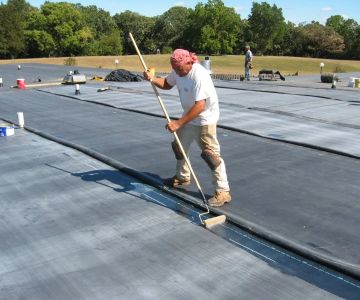
Asphalt-saturated felt, often referred to as "tar paper," is one of the most traditional and widely used roofing underlayments. This material is made from paper or fiberglass that is saturated with asphalt. It’s relatively affordable and provides good protection against water. However, it is not as durable as some of the newer options available today and can degrade over time, especially in wet climates.
2.2. Synthetic Underlayment
Synthetic underlayment is a modern alternative to traditional felt paper. Made from polymers and plastic materials, synthetic underlayment is lightweight, durable, and resistant to tears. It provides superior protection against water, UV rays, and extreme temperatures, making it ideal for the harsh Canadian climate. Many synthetic underlayments also feature non-slip surfaces, making them easier and safer to work with during installation.
2.3. Rubberized Asphalt
Rubberized asphalt underlayment is a waterproof, self-adhesive material that provides an extra layer of protection. It’s especially beneficial in areas with heavy rainfall or snow because it prevents water from seeping beneath the shingles. This underlayment is typically used in the valleys of the roof or around areas prone to leaks, such as chimneys, skylights, and vents.
2.4. Peel-and-Stick Underlayment
Peel-and-stick underlayment is a highly effective option for water protection. It’s self-adhesive, meaning it bonds directly to the roof deck, creating a tight seal that prevents water from infiltrating the roof. This type of underlayment is commonly used in areas prone to ice dams and heavy snow accumulation. It is more expensive than other options but offers enhanced protection, especially in regions with severe weather.
3. Factors to Consider When Choosing Roof Underlayment
Choosing the right roof underlayment requires consideration of several factors to ensure optimal performance and longevity. Here’s what to keep in mind:
3.1. Climate and Weather Conditions
Canada experiences a wide range of weather conditions, from extreme cold in the winter to heat in the summer. In colder climates, it’s essential to select a roof underlayment that provides waterproofing, especially around vulnerable areas like roof valleys, chimneys, and vents. In warmer climates, a breathable underlayment may be necessary to allow moisture trapped under the roof to escape, reducing the risk of mold growth.
3.2. Type of Roofing Material
The type of roofing material you plan to use will also impact your choice of underlayment. For example, asphalt shingles typically require a felt or synthetic underlayment, while metal roofs might benefit from a more durable synthetic underlayment. Some roofing materials, such as slate or tile, require specific underlayment types to ensure proper drainage and prevent water damage.
3.3. Budget
Underlayment materials vary in cost, and while synthetic and rubberized asphalt options tend to be more expensive, they offer better long-term protection. If you're working with a tighter budget, asphalt-saturated felt is a more economical choice, but you may need to replace it sooner than other materials.
4. The Installation Process: Do You Need a Professional?
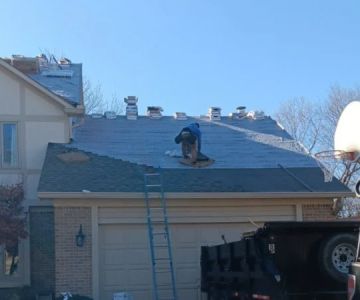
While installing roof underlayment may seem like a straightforward task, it requires careful attention to detail to ensure the roof is adequately protected. Incorrect installation can lead to leaks, water damage, and reduced roof lifespan. Therefore, many homeowners opt for professional roofers to handle this part of the roofing process.
4.1. DIY Installation
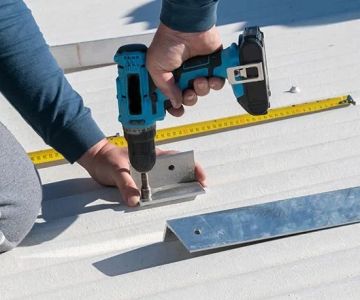
If you’re confident in your DIY skills, installing roof underlayment can be a manageable task. However, it’s important to follow all manufacturer guidelines, use the right tools, and pay attention to detail. For example, underlayment should be installed with a slight overlap, ensuring that each row of material directs water away from the roof deck.
4.2. Hiring a Professional Roofing Contractor
Hiring a professional roofing contractor is the safest option for ensuring the underlayment is installed correctly. Roofers are trained to work safely at heights and have the knowledge to select the right materials for your roof. If you're in the Pickering area, consider contacting Pickering Roofing for expert roof underlayment installation and other roofing services.
5. Case Study: The Impact of Choosing the Right Underlayment
Sarah, a homeowner in Toronto, decided to replace her old roof during the summer after noticing several leaks in her attic. After consulting with a roofing professional, she opted for synthetic underlayment for its durability and ability to withstand the city's varying weather conditions. Several years later, Sarah found her roof still in great condition, with no signs of leaks or water damage. The investment in high-quality underlayment paid off by protecting her home from severe weather events, including winter ice storms and summer rainstorms.
6. How to Find the Best Roof Underlayment for Your Home
Choosing the best roof underlayment for your home can seem like a daunting task, but it doesn’t have to be. At Pickering Roofing, we offer expert advice on selecting the right roofing materials and underlayment based on your home’s specific needs. Our team of professionals can help guide you through the process, ensuring you make the best decision for your home and budget.
Visit Pickering Roofing today to learn more about roof underlayment options and get started on your next roofing project!
 Blackstar Aluminum Ltd4.0 (204 reviews)
 FIVE STAR ROOFING CORP5.0 (1 reviews)
 Metal Roof Repair & Waterproofing5.0 (2 reviews)
 Artisan Metal Roofing5.0 (8 reviews)
 Crown Roofing LTD4.0 (125 reviews)
 Zega Roofing4.0 (55 reviews)
 How Much Does a New Roof Cost in 2025? Canadian Roofing Price Guide
 Top Signs Your Roof Has a Leak and What to Do About It in Canada
 Can You Install a New Roof Over an Old One in Canada?
 The Top Questions to Ask Before Hiring a Roofer in Canada
 What Are the Most Common Roofing Scams and How to Avoid Them in Canada
 How to Prepare Your Home for a Roofing Project in Canada