
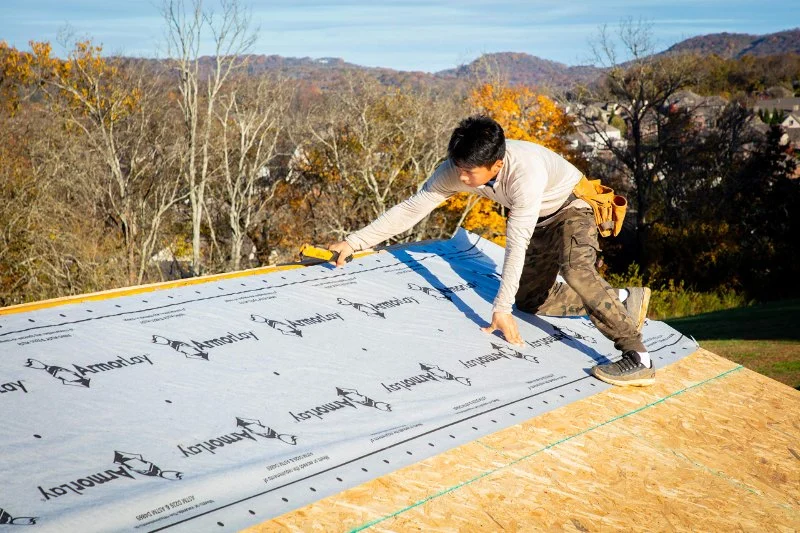
What You Should Know About Roof Underlayment Options
When it comes to roofing, the underlayment is a crucial element that provides extra protection against water damage and weather-related issues. In Canada, where winters can be harsh and summers unpredictable, selecting the right underlayment for your roof is essential. But what exactly is roof underlayment, and why does it matter so much?
- What is Roof Underlayment?
- Types of Roof Underlayment
- How to Choose the Right Underlayment for Your Roof
- Benefits of Synthetic Underlayment
1. What is Roof Underlayment?
Roof underlayment is a protective layer of material that sits between the roof deck and the roofing material (shingles, tiles, or metal). Its primary function is to provide an extra barrier against moisture, prevent leaks, and enhance the overall durability of the roof. While it may not be visible once the roofing material is installed, underlayment plays a vital role in safeguarding your home from water intrusion.
In addition to providing water resistance, the underlayment helps to secure the roofing material and adds an extra layer of protection in case the top layer fails. Depending on the type of underlayment used, it can also offer resistance against extreme temperatures, UV rays, and wind uplift.

Christensen & McLean Roofing / christensen & mclean roofing
16173 132 Ave NW, Edmonton, AB T5V 1H7, Canada
2. Types of Roof Underlayment
There are several types of underlayment materials used in roofing, and choosing the right one depends on your roof type, budget, and climate. The main options are:
Atlas-Apex Roofing Inc. / atlas apex toronto
65 Disco Rd, Etobicoke, ON M9W 1M2, Canada
Asphalt-Saturated Felt
Asphalt-saturated felt is one of the most common types of underlayment. It’s made of a fiberglass mat or paper base that is coated with asphalt to provide water resistance. Asphalt-saturated felt has been used for many years and is a cost-effective option, but it can degrade over time, especially when exposed to heat and moisture.
Rubberized Asphalt Underlayment
Rubberized asphalt underlayment is another popular option that combines asphalt with rubber polymers, making it more flexible and waterproof than traditional felt. This type of underlayment is ideal for areas that experience heavy rainfall or snow, as it provides superior protection against water infiltration.
Synthetic Underlayment
Synthetic underlayment is becoming increasingly popular due to its superior durability and performance. Made from polypropylene or polyethylene, synthetic underlayment is lightweight, highly resistant to UV rays, and much stronger than traditional asphalt felt. It’s also breathable, which allows moisture to escape from the roof deck, preventing mold and mildew growth.
3. How to Choose the Right Underlayment for Your Roof
Choosing the right underlayment is critical to ensuring the long-term protection and performance of your roof. Here are some factors to consider when selecting roof underlayment:
Climate and Weather Conditions
In Canada, where extreme weather is common, it’s important to choose an underlayment that can withstand cold temperatures, heavy snow, and moisture. For colder climates, rubberized asphalt or synthetic underlayment are great choices as they provide superior waterproofing and flexibility.
Roof Type and Materials
The type of roofing material you choose will influence the type of underlayment needed. For example, metal roofs require a different underlayment than asphalt shingles. Make sure the underlayment is compatible with your roofing material to ensure the best performance and longevity.
Budget
While synthetic and rubberized asphalt underlayment tend to be more expensive than traditional asphalt felt, they offer superior performance and longevity, which can make them a better investment in the long run. Weighing the benefits and costs will help you determine the best underlayment for your needs.
4. Benefits of Synthetic Underlayment
Synthetic underlayment has gained popularity in recent years due to its numerous benefits, especially for homeowners in regions with harsh weather conditions like Canada. Some of the key benefits include:
Durability and Strength
Synthetic underlayment is known for its high tensile strength and durability. Unlike traditional felt, it’s resistant to tearing and punctures, making it an excellent choice for areas with high winds or severe weather.
Water Resistance
Synthetic underlayment offers superior water resistance compared to traditional options. Its waterproof nature ensures that water cannot seep through to the roof deck, providing better protection against leaks and water damage.
UV Protection
Unlike asphalt-based products, synthetic underlayment is UV resistant, which helps prevent degradation from sun exposure. This added protection ensures that the underlayment lasts longer, even in areas with intense sunlight.
Breathability
Breathability is another advantage of synthetic underlayment. It allows moisture to escape from the roof deck, preventing mold and mildew buildup that can cause long-term damage to your home.
When considering your roofing options in Canada, it’s crucial to select an underlayment that provides the protection your roof needs. Whether you choose synthetic underlayment, rubberized asphalt, or asphalt-saturated felt, each option offers different advantages depending on your specific needs.
At Pickering Roofing, we offer a wide range of roofing materials, including top-quality underlayment options. Our expert team can help you select the best products for your roof, ensuring long-lasting protection for your home. Contact us today to get started on your roofing project.
 Abby Roofing - Roofing Orléans0.0 (0 reviews)
 TI Roof Rescue Inc.5.0 (86 reviews)
 A & K Roofing Co Ltd4.0 (13 reviews)
 Principal Roofing4.0 (85 reviews)
 Multi Toits5.0 (2 reviews)
 Gumban Roofing And Renovation4.0 (27 reviews)
 How Much Does a New Roof Cost in 2025? Canadian Roofing Price Guide
 Top Signs Your Roof Has a Leak and What to Do About It in Canada
 Can You Install a New Roof Over an Old One in Canada?
 The Top Questions to Ask Before Hiring a Roofer in Canada
 What Are the Most Common Roofing Scams and How to Avoid Them in Canada
 How to Prepare Your Home for a Roofing Project in Canada