
- 1. Introduction to Roof Sheathing
- 2. Signs of Roof Sheathing Damage
- 3. How to Assess Roof Sheathing Condition
- 4. Roof Sheathing Replacement Solutions
- 5. Maintenance and Prevention Tips
1. Introduction to Roof Sheathing
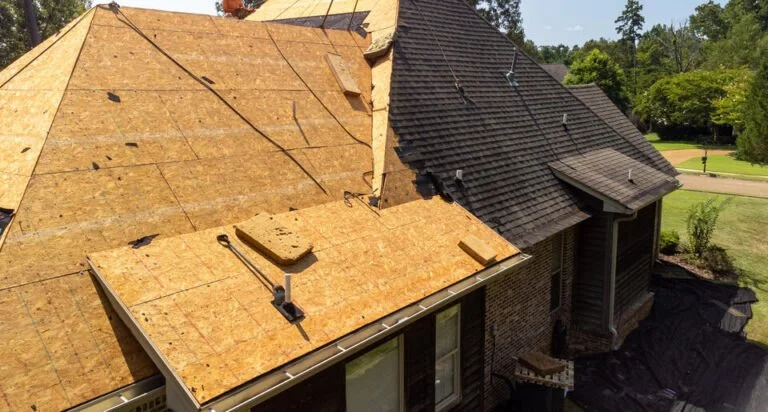
Roof sheathing plays a critical role in the structural integrity of your home’s roof. Located between the roof rafters and the outer roofing materials, sheathing provides a solid foundation for your shingles or tiles and contributes to the overall stability and energy efficiency of your roof. However, over time, roof sheathing can become damaged due to age, weather, and wear, leading to potential leaks and structural issues. Understanding when roof sheathing needs replacement is essential for maintaining a safe and reliable roof.
D'Angelo and Sons | Eavestrough Repair & Roofing Burlington / eavestrough burlington ontario
BurlingtonRegional Municipality of HaltonOntario
460 Brant St unit #300, Burlington, ON L7R 4B6, Canada
2. Signs of Roof Sheathing Damage
Recognizing when roof sheathing needs replacing can be challenging, as many of the early signs of damage are not immediately visible. However, there are key indicators that suggest it’s time for a roof sheathing replacement. Here are the common signs:
Lansard Bros Roofing Ltd / lansard roofing
50 Don Valley Pkwy, Sunnyside, MB R5R 0C9, Canada
1. Sagging Roof Deck
A sagging roof deck can be one of the most obvious signs of sheathing damage. If you notice that your roof appears to be drooping or sagging, this could be due to water damage or structural issues within the sheathing. A sagging roof can cause further damage to your roof’s other components and should be addressed immediately.
2. Water Stains or Leaks Inside the Home
Water stains or visible leaks inside the home, especially in the attic or on the ceilings, can be an indication of damaged roof sheathing. Water may penetrate through compromised sheathing, leading to leaks inside your living space. Left unchecked, this can lead to mold growth and other costly issues.
3. Soft or Spongy Roof
If you step onto your roof and feel that it’s soft or spongy, it’s a clear sign that the sheathing has been compromised. This condition occurs when the sheathing has absorbed moisture and weakened over time, causing it to lose its structural integrity. A soft roof can be dangerous and may require immediate repair or replacement.
4. Missing or Warped Shingles
While missing shingles could be a sign of damage to the roof covering, it can also point to underlying issues with the sheathing. If shingles are warped, curling, or lifting off the roof, this could indicate that the sheathing is no longer providing the solid base needed to keep the shingles intact.
5. Presence of Mold or Mildew
Mold and mildew growth on the roof or in the attic can indicate moisture retention caused by damaged sheathing. If left untreated, mold can spread quickly, leading to health problems and further structural damage. It’s important to check for mold in areas that may be less frequently visited, such as the attic or behind roof coverings.
3. How to Assess Roof Sheathing Condition
To determine whether your roof sheathing needs replacement, you must first assess its condition. Here are some key steps to take when evaluating your roof sheathing:
1. Conduct a Visual Inspection
Begin by inspecting your roof from the outside. Look for any obvious signs of wear, such as sagging, cracked or missing shingles, and visible water stains. If you can access your attic, check for signs of leaks, mold, or dampness on the underside of the roof decking. This can give you an idea of how the sheathing is holding up.
2. Hire a Professional Roof Inspector
If you’re unsure about the condition of your roof sheathing or if you suspect damage, it’s always a good idea to hire a professional roof inspector. These experts have the experience and tools needed to assess your roof’s condition and identify any potential problems that may require sheathing replacement. They can also help you understand the severity of the damage and recommend solutions accordingly.
3. Check for Structural Issues
In some cases, structural problems with the roof may be caused by sheathing failure. If you notice any cracking or warping in the roof framing, or if you experience issues like uneven roof surfaces, it’s essential to check the sheathing for any signs of moisture damage or weakening. These issues require prompt attention to prevent further deterioration.
4. Roof Sheathing Replacement Solutions
If your roof sheathing is beyond repair, replacement may be necessary to restore your roof’s structural integrity. Here are some options to consider when replacing roof sheathing:
1. Plywood Sheathing
Plywood is one of the most common materials used for roof sheathing. It provides strength and stability and is relatively easy to install. When replacing damaged sheathing, plywood is an affordable and reliable option. It also allows for ventilation, which is crucial for preventing moisture buildup and mold growth.
2. OSB (Oriented Strand Board)
OSB is another common roofing material that is often used as an alternative to plywood. OSB is made from compressed wood fibers and is typically more affordable than plywood. However, it can be less durable in areas prone to moisture, so it may not be the best option for homes in humid or rainy climates.
3. Repairing Individual Sections
If only a few sections of the roof sheathing are damaged, it may be possible to replace or repair just the affected areas. This approach is less expensive than replacing the entire roof sheathing but may not be suitable if the damage is widespread or if there are ongoing issues with moisture or structural integrity.
5. Maintenance and Prevention Tips
To prevent future roof sheathing damage, regular maintenance and proactive measures are crucial. Here are some tips to help you extend the lifespan of your roof:
1. Regular Roof Inspections
Schedule regular roof inspections to check for any early signs of wear or damage. It’s a good idea to have a professional inspect your roof at least once a year, especially after a major storm, to ensure that your roof sheathing and other components are in good condition.
2. Clean Gutters and Downspouts
Clogged gutters and downspouts can cause water to back up and damage your roof sheathing. Ensure that your gutters are regularly cleaned to allow proper water drainage, preventing moisture from accumulating on your roof.
3. Address Leaks Quickly
If you notice any leaks or signs of water damage, address them immediately to prevent further damage to the roof sheathing and other parts of the roof. Prompt repairs can help you avoid costly replacements and protect your home from water damage.
If you're experiencing roof sheathing issues or need professional advice on repairs, Pickering Roofing is here to help. Our experts offer reliable solutions for roof sheathing replacement and roof repairs to ensure your home stays protected.
 Peterborough Roofing0.0 (0 reviews)
 Trust Ying Roofing & Renovation Inc.5.0 (4 reviews)
 Toitures Multi4.0 (8 reviews)
 D.C United Roofing4.0 (149 reviews)
 Chisholm Roofing1.0 (2 reviews)
 Groupe M2DC4.0 (84 reviews)
 How Much Does a New Roof Cost in 2025? Canadian Roofing Price Guide
 Top Signs Your Roof Has a Leak and What to Do About It in Canada
 Can You Install a New Roof Over an Old One in Canada?
 The Top Questions to Ask Before Hiring a Roofer in Canada
 What Are the Most Common Roofing Scams and How to Avoid Them in Canada
 How to Prepare Your Home for a Roofing Project in Canada