
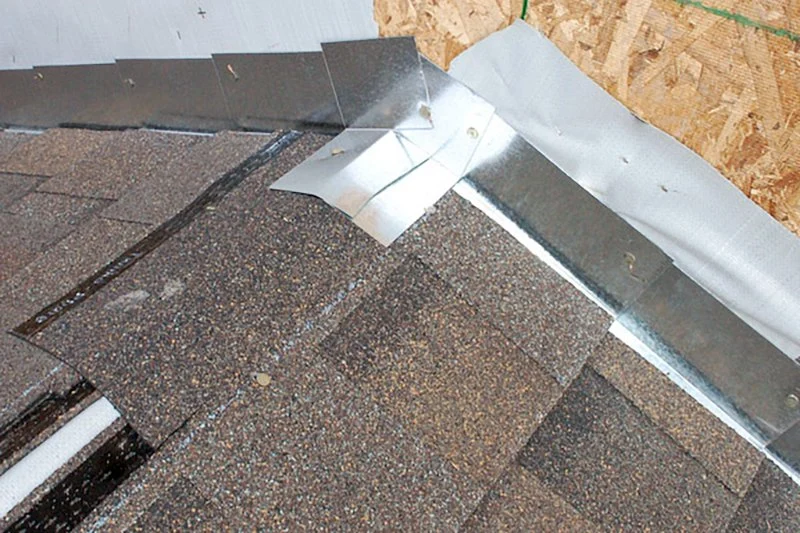
Why Flashing Is One of the Most Important Parts of Your Roof
- 1-importance-of-flashing
- 2-types-of-flashing
- 3-how-flashing-helps-prevent-water-damage
- 4-flashing-maintenance-tips
- 5-when-to-replace-your-flashing
Flashing plays a crucial role in protecting your roof and your home from water damage. Despite its significance, many homeowners overlook this essential component of their roof. Flashing is designed to prevent water from seeping into joints, seams, and other vulnerable areas, such as around chimneys, vents, and skylights. In this article, we’ll explore why flashing is so important for the health of your roof, and how you can maintain it to ensure long-term protection for your home.

Toiture Royale Expert Inc. / toiture royale expert
LévisChaudière-AppalachesQuébec
7921 Rue de l'Orge, Lévis, QC G6Y 0G1, Canada
1. Types of Flashing
Flashing comes in various forms, each designed for specific parts of your roof. Understanding the different types of flashing and their applications will help you better appreciate how they work together to protect your home.

GoldHill Roofing / goldhill
526 Welham Rd Unit 1, Barrie, ON L4N 8Z7, Canada
1) Step Flashing
Step flashing is used around chimneys, walls, and other vertical structures. It’s installed in a stepped pattern, with each piece of flashing overlapping the one below it. This design allows water to flow down the roof and away from these areas, preventing water from entering through gaps.
2) Continuous Flashing
Continuous flashing is typically used along the eaves of a roof or around skylights. Unlike step flashing, continuous flashing is a long piece that runs along the length of the roof, helping to direct water away from these areas.
3) Counter Flashing
Counter flashing is installed over step flashing to create an additional layer of protection. It’s often used in areas where two surfaces meet, such as around chimneys or roof-to-wall junctions. This ensures water cannot enter the joint.
4) Valley Flashing
Valley flashing is installed in the roof valleys where two roof slopes meet. These areas are prone to water accumulation, so valley flashing is essential for directing water flow away from the home.
2. How Flashing Helps Prevent Water Damage
Flashing is one of the primary defenses against water infiltration. When installed properly, flashing directs water off the roof and away from vulnerable areas, preventing leaks that can lead to significant damage to your home.
1) Prevents Mold and Mildew Growth
Water leaks in roofs often lead to mold and mildew growth. Flashing helps seal the joints and prevent water from entering the attic and walls, which can create an ideal environment for mold to thrive. Keeping moisture out with proper flashing ensures your home remains dry and healthy.
2) Protects Structural Integrity
Consistent exposure to water can weaken the structure of your roof and home. Flashing prevents water from seeping into the roof decking, rafters, and other critical structural components, preserving the integrity of your home’s structure.
3) Extends Roof Lifespan
When water is properly directed away from critical areas, the roofing materials remain in better condition, preventing premature wear and tear. Flashing plays a major role in extending the lifespan of your roof by protecting it from water-related damage.
3. Flashing Maintenance Tips
To ensure the effectiveness of your flashing, regular maintenance is essential. Here are some tips to keep your flashing in top condition:
1) Inspect Flashing Regularly
Check your flashing at least once a year, especially after severe weather events. Look for cracks, gaps, or rust spots that could indicate a potential leak. Pay particular attention to areas around chimneys, vents, and skylights.
2) Clean Flashing
Debris, leaves, and dirt can accumulate around flashing, preventing proper water flow. Clean the flashing periodically to ensure it’s functioning properly. You can use a broom, brush, or pressure washer to remove debris.
3) Seal Gaps
If you notice small gaps or cracks in the flashing, use roofing sealant to fill them. Be sure to apply the sealant during dry weather for the best results. If the flashing is severely damaged, you may need to replace it entirely.
4. When to Replace Your Flashing
While flashing is durable, it doesn’t last forever. Here’s when you should consider replacing it:
1) Rust and Corrosion
Metal flashing can rust over time, especially if exposed to frequent moisture. If you notice rust or corrosion on your flashing, it may be time for a replacement to prevent leaks.
2) Cracks and Gaps
If your flashing is cracked or has gaps, it will no longer be effective at keeping water out. Damaged flashing should be replaced as soon as possible to avoid further water damage to your home.
In conclusion, flashing is an essential component of your roof’s protection against water damage. By understanding the different types of flashing, how they prevent damage, and maintaining them regularly, you can extend the life of your roof and protect your home. For expert roofing services and flashing installation, reach out to Pickering Roofing for reliable and professional solutions.



 Den's Roofing5.0 (1 reviews)
 Canadian Siding and Roofing4.0 (17 reviews)
 Triumph Group of Companies Edmonton0.0 (0 reviews)
 Marlad Roofing & Siding Inc4.0 (30 reviews)
 Lutz Roof Masters5.0 (4 reviews)
 Avon Roofing4.0 (16 reviews)
 How Much Does a New Roof Cost in 2025? Canadian Roofing Price Guide
 Top Signs Your Roof Has a Leak and What to Do About It in Canada
 Can You Install a New Roof Over an Old One in Canada?
 The Top Questions to Ask Before Hiring a Roofer in Canada
 What Are the Most Common Roofing Scams and How to Avoid Them in Canada
 How to Prepare Your Home for a Roofing Project in Canada