
Best Practices for Roof Ridge Cap Installation
- 1. Understanding Roof Ridge Caps
- 2. Why Proper Roof Ridge Cap Installation Matters
- 3. Choosing the Right Materials for Ridge Caps
- 4. Step-by-Step Guide to Installing Roof Ridge Caps
- 5. Common Mistakes to Avoid in Ridge Cap Installation
- 6. How to Maintain Your Roof Ridge Caps
1. Understanding Roof Ridge Caps
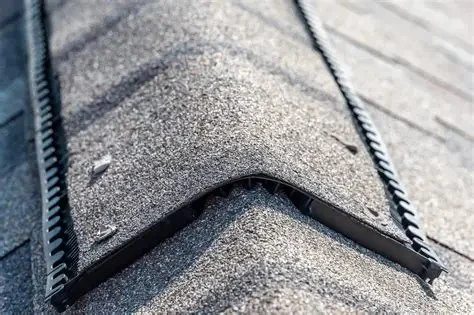
Roof ridge caps are the finishing pieces installed at the top of a roof, covering the ridge where two roof slopes meet. These caps provide both a functional and aesthetic benefit to the roof. They protect the vulnerable seams from water penetration, wind damage, and debris buildup, ensuring the longevity of the roof. Ridge caps also contribute to the overall appearance of the roof, giving it a clean, finished look.

Lansard Bros Roofing Ltd / lansard roofing
50 Don Valley Pkwy, Sunnyside, MB R5R 0C9, Canada
2. Why Proper Roof Ridge Cap Installation Matters
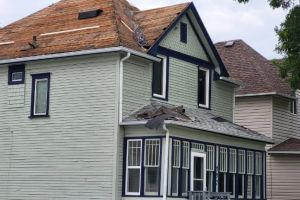
Proper installation of ridge caps is critical for the overall integrity of your roof. When ridge caps are installed correctly, they can prevent leaks and allow for proper ventilation, which helps in extending the lifespan of your roof. Poorly installed ridge caps, on the other hand, can lead to moisture accumulation, mold growth, and even structural damage. Ensuring that ridge caps are installed with precision is one of the most important steps in roof construction or repair.
XACT Roof & Renovation Ltd. / xact roofing
227 Regent Ave W, Winnipeg, MB R2C 1R3, Canada
3. Choosing the Right Materials for Ridge Caps
The material of your ridge caps will influence their durability and appearance. Common materials include asphalt shingles, metal, wood, and clay tiles. Asphalt shingles are the most popular due to their cost-effectiveness and ease of installation. Metal ridge caps are known for their durability and resistance to extreme weather conditions, while wood and clay tiles offer a more traditional and elegant look. Consider the climate, roof type, and aesthetic preferences when choosing the right material for your ridge caps.
4. Step-by-Step Guide to Installing Roof Ridge Caps
Installing ridge caps can be a DIY project if you have the right tools and a bit of experience. Follow these steps for proper installation:
- Prepare the Ridge: Clean the ridge of any debris, and ensure that the roof decking is in good condition.
- Install Roofing Felt: Lay down roofing felt along the ridge for added waterproofing protection.
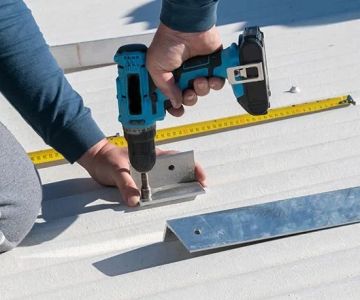
- Cut the Ridge Caps: Measure and cut the ridge caps to the correct length, ensuring they fit perfectly along the ridge.
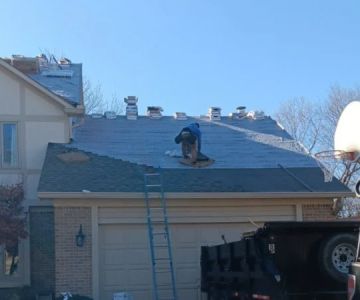
- Attach the Ridge Caps: Using roofing nails or screws, attach the ridge caps to the roof, starting from one end of the ridge and working your way to the other. Ensure that the caps overlap slightly to prevent water infiltration.
- Seal the Joints: Apply a high-quality sealant to the joints between the ridge caps to enhance water resistance.
5. Common Mistakes to Avoid in Ridge Cap Installation
While installing roof ridge caps can be a straightforward task, there are several common mistakes to avoid:
- Improper Measurements: Failing to measure the ridge and the caps correctly can lead to gaps or misalignment, affecting the roof’s performance.
- Inadequate Fastening: Using too few nails or screws can cause the ridge caps to loosen over time, leading to potential leaks or damage.
- Ignoring Ventilation: Ridge caps play a crucial role in roof ventilation. Ensure that the caps are installed properly to allow airflow and prevent moisture buildup.
- Skipping the Sealant: Failing to seal the joints between the ridge caps can result in water leaks, especially during heavy rainfall.
6. How to Maintain Your Roof Ridge Caps
Maintaining your roof ridge caps is essential for ensuring their longevity and effectiveness. Regularly inspect the caps for any signs of wear, such as cracks or missing shingles. Clean the ridge caps of debris and leaves to ensure proper water drainage. If you notice any damage, replace the affected ridge caps promptly to prevent further issues. If you're unsure about the condition of your ridge caps, consider scheduling an inspection with a professional roofing service like Pickering Roofing for expert advice and maintenance.
Taking proper care of your roof ridge caps will help protect your roof from water damage, enhance ventilation, and keep your roof looking great for years to come.


 Toiture Inter0.0 (0 reviews)
 Toitures Quatre Saisons Inc3.0 (20 reviews)
 Toiture ABC5.0 (25 reviews)
 Accent Roofing & Siding4.0 (12 reviews)
 Downtown Roofing4.0 (10 reviews)
 Toîtures Nord-Américaines4.0 (11 reviews)
 How Much Does a New Roof Cost in 2025? Canadian Roofing Price Guide
 Top Signs Your Roof Has a Leak and What to Do About It in Canada
 Can You Install a New Roof Over an Old One in Canada?
 The Top Questions to Ask Before Hiring a Roofer in Canada
 What Are the Most Common Roofing Scams and How to Avoid Them in Canada
 How to Prepare Your Home for a Roofing Project in Canada