
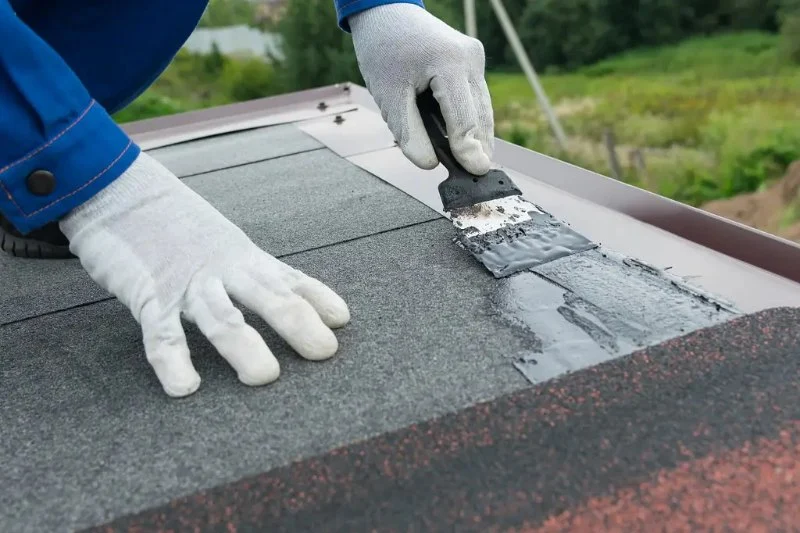
- 1. The Importance of Roof Sealants in Cold Weather
- 2. Top Roof Sealants for Cold Climates
- 3. How to Apply Roof Sealants in Cold Weather
- 4. When to Seek Professional Help for Roof Sealing
1. The Importance of Roof Sealants in Cold Weather
In colder climates like Canada, roof maintenance is crucial to ensure your home stays protected during the harsh winter months. Roof sealants play a vital role in providing an extra layer of protection against snow, ice, and moisture. These sealants help prevent leaks, reduce drafts, and protect your roof from damage caused by freezing temperatures.
During the winter, roof problems can escalate quickly. Water that enters through cracks can freeze, expand, and cause further damage. Applying the right sealants can prevent such issues, saving you from costly repairs down the road. Not all roof sealants are created equal, especially when it comes to extreme temperatures, so choosing a sealant designed for cold weather is essential.
2. Top Roof Sealants for Cold Climates
When selecting a roof sealant for cold weather, there are a few key factors to consider, such as the type of roof, ease of application, and the sealant's ability to withstand freezing temperatures. Below are some of the best roof sealants designed for cold climates:
- Silicone Roof Sealants: Silicone-based sealants are highly durable and provide excellent water resistance. They are ideal for cold temperatures and can expand and contract with your roof without losing their effectiveness.
- Polyurethane Roof Sealants: These sealants are known for their strong adhesive properties and are perfect for sealing around roof seams, vents, and flashings. They offer great flexibility and resistance to moisture and UV rays.
- Butyl Rubber Sealants: Known for their weatherproof qualities, butyl rubber sealants are highly effective for cold weather applications. They form a strong bond and provide long-lasting protection against leaks and moisture intrusion.
Each of these sealants has its own benefits, so it’s important to choose the one that best fits your roof type and needs. Additionally, always ensure that the product you select is rated for low temperatures to ensure it remains effective during the cold months.

Lansard Bros Roofing Ltd / lansard roofing
50 Don Valley Pkwy, Sunnyside, MB R5R 0C9, Canada
3. How to Apply Roof Sealants in Cold Weather
Applying roof sealants in cold weather can be challenging, but with the right approach, you can achieve great results. Here are some tips for applying roof sealants in low temperatures:
- Check the Temperature: Always check the manufacturer’s instructions regarding the minimum temperature for applying the sealant. Most sealants require a temperature above freezing for proper adhesion.
- Clean the Surface: Make sure the roof surface is clean and dry before applying the sealant. Remove any debris, leaves, or snow from the area to ensure the sealant bonds properly.
- Use a Heater or Heat Gun: In very cold conditions, you can use a portable heater or heat gun to warm up the surface of the roof slightly before applying the sealant. This can help the product adhere more effectively.
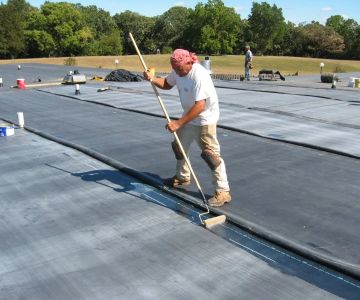
- Apply Evenly: Use a brush or roller to apply the sealant evenly over the roof’s seams and joints. Be sure to apply a generous amount to create a strong barrier against the elements.
Remember, even though the process can be tricky in the winter, a well-applied roof sealant can save you from future headaches caused by leaks and damage. If you are unsure about applying the sealant yourself, it's always a good idea to hire a professional to ensure the job is done right.
4. When to Seek Professional Help for Roof Sealing
While applying roof sealant can be a DIY project, it’s important to know when to call in the professionals. If your roof has extensive damage, if you're unsure how to apply the sealant properly, or if you're dealing with difficult-to-reach areas, it's best to contact a roofing expert.
Additionally, if you're not comfortable with heights or don't have the necessary tools, a professional roofer can ensure that the sealant is applied correctly and effectively. A roofing expert will also be able to assess any underlying issues with your roof and recommend further maintenance if needed.
If you're looking for high-quality roofing products or expert roofing services, visit Pickering Roofing for trusted solutions to protect your roof through every season.

 Ever Roof Inc0.0 (0 reviews)
 The Roofers5.0 (120 reviews)
 I Roof Alberta4.0 (34 reviews)
 Rydel Roofing - South Shore Montreal5.0 (100 reviews)
 White gold roofing inc0.0 (0 reviews)
 Cactus Roofing Ltd3.0 (27 reviews)
 How Much Does a New Roof Cost in 2025? Canadian Roofing Price Guide
 Top Signs Your Roof Has a Leak and What to Do About It in Canada
 Can You Install a New Roof Over an Old One in Canada?
 The Top Questions to Ask Before Hiring a Roofer in Canada
 What Are the Most Common Roofing Scams and How to Avoid Them in Canada
 How to Prepare Your Home for a Roofing Project in Canada