
Best Roofing Materials for Cold Climates
- Why Cold Climate Roofing Matters
- Top Roofing Materials for Cold Climates
- The Importance of Proper Insulation with Cold Climate Roofs
- Maintenance Tips for Cold Climate Roofs
- Roofing Recommendations for Canadian Homeowners
When it comes to roofing in cold climates like Canada, the materials you choose are crucial for protecting your home from harsh weather conditions. Snow, ice, and freezing temperatures can put a significant strain on roofs, leading to damage if the right materials aren’t used. Understanding the best roofing materials for cold climates can help ensure that your roof remains durable, energy-efficient, and able to withstand the challenges of winter weather.
This article will explore the top-rated roofing materials suitable for cold climates, their benefits, and maintenance tips to keep your roof in optimal condition. Whether you're building a new home or replacing an old roof, choosing the right material can save you money and protect your property for years to come.
Concord Roofing / roofing company richmond hill
Richmond HillRegional Municipality of YorkOntario
551 16th Ave, Richmond Hill, ON L4C 7A7, Canada
Top Roofing Materials for Cold Climates
In cold climates, the roofing material must withstand both the physical stress of snow and ice buildup as well as the temperature fluctuations that can cause materials to expand and contract. Here are the best materials for roofs in cold climates:
XACT Roof & Renovation Ltd. / xact roofing
227 Regent Ave W, Winnipeg, MB R2C 1R3, Canada
1. Asphalt Shingles
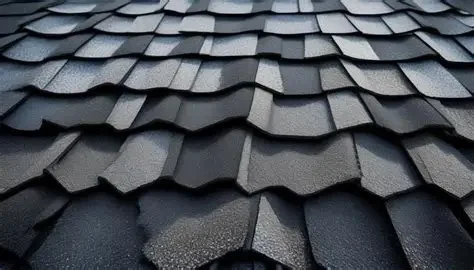
Asphalt shingles are one of the most popular roofing materials in North America due to their affordability, durability, and ability to perform well in cold temperatures. Modern asphalt shingles are designed to resist damage from ice and snow, making them ideal for homes in colder regions.
These shingles are typically coated with a layer of granules that help protect against UV rays and provide an additional layer of protection against the cold. Additionally, asphalt shingles are relatively easy to install and maintain, making them a cost-effective option for homeowners in Canada.
2. Metal Roofing
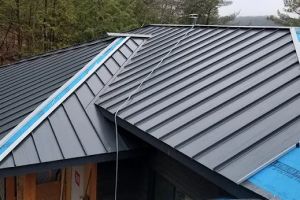
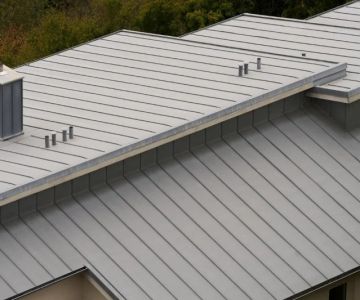
Metal roofs are one of the best choices for cold climates. Known for their exceptional durability, metal roofs are highly resistant to snow, ice, and extreme temperatures. They can also shed snow and ice more efficiently than other materials, reducing the risk of ice dams and other issues that can damage your roof.
Metal roofs are typically made of steel, aluminum, or copper, all of which are durable materials that can withstand the weight of snow and ice. Additionally, metal roofing can be highly energy-efficient, reflecting sunlight in the summer and keeping warmth in during the winter, which can help reduce energy costs.
3. Clay or Concrete Tiles
Clay and concrete tiles are ideal for homes that need robust protection against harsh weather. These materials are durable and can easily handle heavy snow and ice loads. Additionally, they are highly fire-resistant, making them a great option for homes in areas prone to wildfires.
While they are heavy, proper installation can ensure that these tiles remain secure even in high winds and heavy snow. Their long lifespan (up to 50 years or more) makes them a worthwhile investment, especially for homes in cold climates where durability is a key concern.
4. Slate Roofing
Slate is a premium roofing material that offers unmatched durability and a sophisticated look. Known for its resistance to extreme weather, slate can handle snow, ice, and fluctuating temperatures with ease. It is also fire-resistant and can last for more than 100 years when properly installed and maintained.
However, slate roofing can be quite expensive and is often better suited for high-end homes or historic buildings. Its weight requires additional structural support, which can increase installation costs. Nevertheless, slate’s longevity and performance make it an excellent choice for cold climates.
5. Rubber Roofing (EPDM)
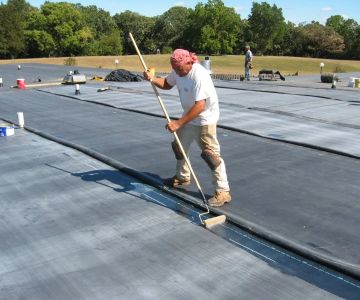
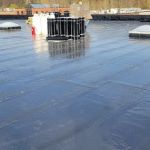
Rubber roofing, also known as EPDM (Ethylene Propylene Diene Monomer), is a popular choice for flat roofs in cold climates. It is highly resistant to water, snow, and ice, making it perfect for homes with flat or low-slope roofs. EPDM is also energy-efficient, helping to keep the interior of your home warm in the winter and cool in the summer.
One of the key benefits of EPDM is its flexibility, which allows it to expand and contract with temperature fluctuations without cracking. This makes it an excellent choice for homes in regions with extreme temperature changes.
The Importance of Proper Insulation with Cold Climate Roofs
When choosing roofing materials for cold climates, insulation is just as important as the roofing itself. Proper attic insulation can prevent heat loss, reducing the risk of ice dams forming on the roof. Ice dams occur when heat from the home melts snow on the roof, and the water refreezes at the eaves, causing damage to the roof and gutters.
Incorporating insulation into the roofing system helps regulate the temperature inside the attic and ensures that warm air doesn't escape. It also helps prevent condensation buildup, which can lead to mold and rot. Many cold-climate roofs use a combination of insulation and ventilated attic systems to promote airflow and maintain optimal temperature control.
Maintenance Tips for Cold Climate Roofs
To extend the life of your roof in cold climates, regular maintenance is essential. Here are some key maintenance tips to follow:
1. Clear Snow and Ice Regularly
After a snowstorm, it’s important to remove any snow and ice from your roof. This prevents snow buildup that can lead to leaks, sagging, or ice dams. Consider using a roof rake or hiring a professional to safely clear snow from your roof.
2. Inspect for Ice Dams
Regularly check your roof for ice dams, especially in the winter months. If you notice icicles hanging from the edges of your roof, it could be a sign that an ice dam is forming. Contact a roofing professional to address the issue before it causes further damage.
3. Clean Gutters and Downspouts
Keep your gutters and downspouts clean to ensure proper drainage. Clogged gutters can prevent melting snow from draining, which can lead to water backing up onto the roof and causing damage.
Roofing Recommendations for Canadian Homeowners
For homeowners in Canada, it’s essential to choose roofing materials that can withstand the region’s extreme cold and frequent snow. We recommend considering materials like metal roofing, asphalt shingles, and slate for their durability, insulation properties, and long lifespan. Additionally, always ensure proper insulation and regular maintenance to keep your roof in optimal condition.
If you need professional roofing services or advice on the best materials for your home, visit Pickering Roofing for expert guidance and the highest-quality products for cold climates.
 Innovation Roofing ltd5.0 (11 reviews)
 Roy Dennis Roofing4.0 (42 reviews)
 Awash Roofing4.0 (4 reviews)
 Best Quality Roofing Works Inc5.0 (4 reviews)
 Mr. Roofing & Siding5.0 (7 reviews)
 H&R Roofing3.0 (7 reviews)
 How Much Does a New Roof Cost in 2025? Canadian Roofing Price Guide
 Top Signs Your Roof Has a Leak and What to Do About It in Canada
 Can You Install a New Roof Over an Old One in Canada?
 The Top Questions to Ask Before Hiring a Roofer in Canada
 What Are the Most Common Roofing Scams and How to Avoid Them in Canada
 How to Prepare Your Home for a Roofing Project in Canada