
- Understanding Heavy Snow Loads and Their Impact on Roofing
- Best Roofing Materials for Heavy Snow Areas
- Proper Installation Techniques for Snow-Resistant Roofs
- Roof Maintenance Tips for Snowy Regions
- Why Choosing the Right Roofing Material Matters
Understanding Heavy Snow Loads and Their Impact on Roofing
In regions like Canada, where heavy snowfalls are a regular occurrence, it's essential to understand how snow loads can affect your roof. Snow load refers to the weight of snow accumulated on your roof, which can vary depending on the type of snow, the angle of the roof, and the structure's design. When snow accumulates and doesn't melt or slide off, it can cause significant stress on your roof. Over time, this can lead to leaks, sagging, or even roof collapse in extreme cases.

Ottawa Eavestrough Group / eavestrough repair ottawa
340 Albert St, Ottawa, ON K1R 7Y6, Canada
Best Roofing Materials for Heavy Snow Areas
When selecting roofing materials to withstand heavy snow loads, the choice of material is critical. Some materials are better suited for regions with extreme weather, while others may fail to provide the necessary support. Here are some of the best roofing materials for snowy areas:
GoldHill Roofing / goldhill
526 Welham Rd Unit 1, Barrie, ON L4N 8Z7, Canada
1. Metal Roofing
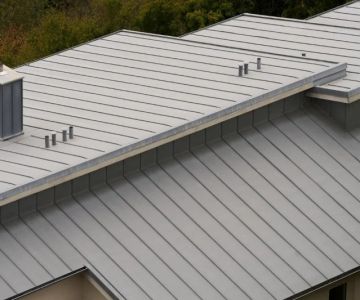
Metal roofs are among the best options for snowy regions. They have a smooth surface that allows snow to slide off easily, reducing the build-up of heavy snow. Additionally, metal roofs are durable, lightweight, and can withstand strong winds, making them ideal for areas with heavy snow loads.
2. Asphalt Shingles
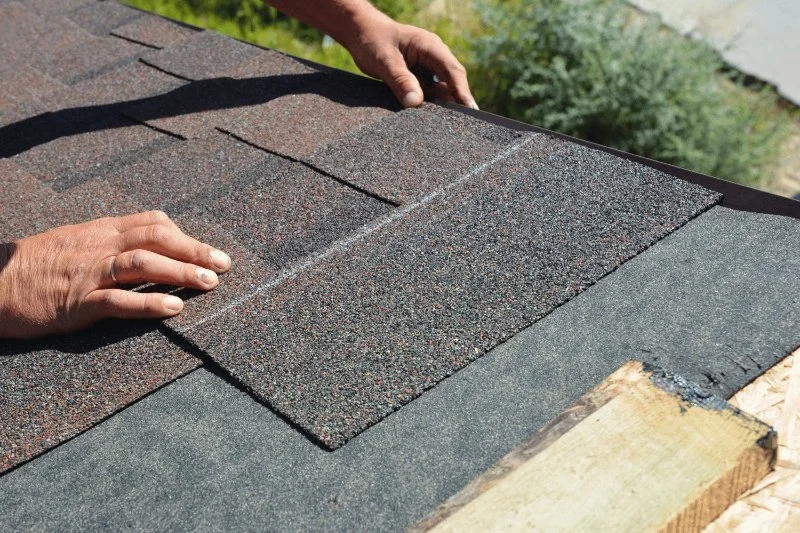
Asphalt shingles are a popular roofing material due to their affordability and reliability. While they do not shed snow as easily as metal roofs, they are still a good choice for snowy areas when installed correctly. Opt for thicker, higher-quality shingles and ensure proper ventilation to prevent ice dams, which can cause damage.
3. Slate Roofing
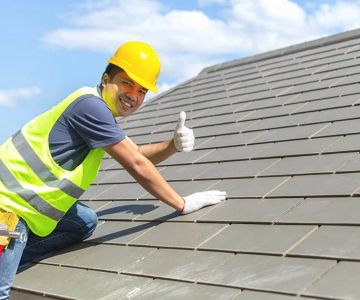
Slate roofs are incredibly durable and can withstand the weight of heavy snow without succumbing to damage. Slate also provides a natural aesthetic that many homeowners desire. However, slate roofing can be expensive and requires a skilled installation, making it less common than other roofing materials.
Proper Installation Techniques for Snow-Resistant Roofs
Installing the right roofing material is just as important as selecting it. For roofs in areas with heavy snow, professional installation is essential to ensure the roof can bear the weight of accumulated snow. Here are key considerations for proper installation:
1. Roof Pitch
A steeper roof pitch is essential in snowy regions as it allows snow to slide off easily. A roof with a shallow pitch may trap snow, causing it to accumulate and potentially result in damage. Roofing professionals will calculate the ideal pitch based on local weather conditions.
2. Ventilation
Proper attic ventilation is critical for preventing ice dams and ensuring that snow melts evenly across the roof. Without adequate ventilation, warm air from the house can melt snow at the roof's edge, which then refreezes, creating ice dams. These dams prevent proper drainage and add additional weight to the roof.
3. Reinforced Support
Roofs in heavy snow areas may require additional structural support to prevent sagging or collapse. This may involve adding extra trusses or reinforcing the existing frame to handle the added weight of snow accumulation.
Roof Maintenance Tips for Snowy Regions
Regular maintenance is crucial for ensuring the longevity and functionality of your roof in snowy regions. Here are some tips for keeping your roof in top condition:
1. Clear Snow Regularly
Although metal roofs allow snow to slide off, it’s still a good idea to remove excess snow periodically. A roof rake with a long handle can be used to safely remove snow from the roof without damaging the surface.
2. Inspect for Ice Dams
Ice dams can form in areas where snow is melting and refreezing. These dams can block proper drainage and cause water to seep into your home. Regularly inspect the edges of your roof for signs of ice buildup and remove them before they become a problem.
3. Regular Inspections
Have your roof inspected by a professional at least once a year to identify any potential issues before they become severe. A pre-winter inspection can help prevent damage caused by heavy snowfalls.
Why Choosing the Right Roofing Material Matters
The roof is one of the most important components of your home, especially in areas with heavy snowfall. Choosing the right roofing material and ensuring proper installation and maintenance can prevent costly damage and provide peace of mind. By selecting durable materials like metal roofing, ensuring proper ventilation, and conducting regular inspections, you can ensure that your roof withstands the test of heavy snow loads for years to come.
For more advice and professional assistance with roofing in snowy areas, visit Pickering Roofing for the best solutions and services tailored to your needs.

 Water Tight Roofing & Masonry5.0 (10 reviews)
 Toitures Trois Etoiles Inc4.0 (63 reviews)
 Vitaroofs International Inc.0.0 (0 reviews)
 Agassiz Roofing4.0 (30 reviews)
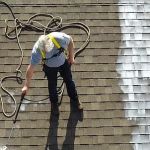 Roof Revive Canada0.0 (0 reviews)
 Pitch Masters Roofing Kelowna5.0 (47 reviews)
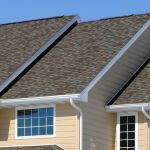 How Much Does a New Roof Cost in 2025? Canadian Roofing Price Guide
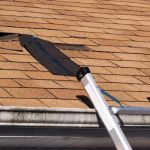 Top Signs Your Roof Has a Leak and What to Do About It in Canada
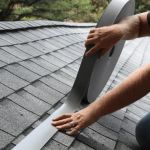 Can You Install a New Roof Over an Old One in Canada?
 The Top Questions to Ask Before Hiring a Roofer in Canada
 What Are the Most Common Roofing Scams and How to Avoid Them in Canada
 How to Prepare Your Home for a Roofing Project in Canada