
Difference Between Roof Leak & Water Stain: Diagnosis & Fixes
- Understanding Roof Leaks vs. Water Stains
- How to Diagnose Roof Leaks
- Understanding Water Stains on Ceilings
- Common Causes of Water Stains in Homes
- Fixing Roof Leaks and Water Stains: Practical Steps
- Real-Life Roof Repair Stories
1. Understanding Roof Leaks vs. Water Stains
Roof leaks and water stains are common issues faced by homeowners, but they are not always the same thing. Understanding the difference between the two is crucial when diagnosing and fixing problems in your home. A roof leak can lead to significant water damage if not dealt with quickly, while a water stain on the ceiling might indicate a minor issue, but it can still lead to larger problems if left untreated.
A roof leak occurs when there is an actual hole or crack in the roof that allows water to seep through. This is often caused by damaged shingles, flashing, or other roof materials that have worn over time. On the other hand, water stains are visible marks on the ceiling or walls caused by moisture that has seeped in. While a water stain might seem less serious, it can indicate that a leak is present somewhere in the roof or plumbing, and ignoring it could lead to structural damage or mold growth.
Christensen & McLean Roofing / christensen & mclean roofing
16173 132 Ave NW, Edmonton, AB T5V 1H7, Canada
2. How to Diagnose Roof Leaks
Diagnosing a roof leak involves looking for signs of water infiltration and determining the source of the problem. Here are some steps you can take to diagnose roof leaks:
Vancouver Moss Removal / moss removal north vancouver
VancouverMetro VancouverBritish Columbia
1615 Frances St #105, Vancouver, BC V5L 1Z3, Canada
2.1. Inspect the Roof
The first step in diagnosing a roof leak is to inspect the roof itself. Look for visible damage, such as cracked, curled, or missing shingles, damaged flashing, or gaps around vents and chimneys. Pay attention to areas where debris, such as leaves or branches, may have built up, as these can cause water to pool and seep into the roof.
2.2. Check for Ceiling Discoloration
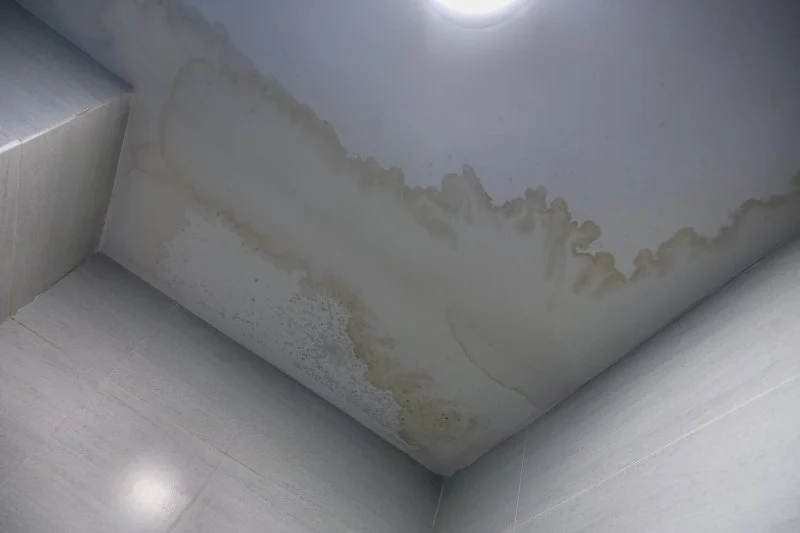
Water stains on the ceiling are a common sign that there is a leak in the roof. The stains may be yellow, brown, or even black, depending on the severity and duration of the leak. If you notice any stains, it's important to track the source and determine whether the problem is due to a roof leak or a plumbing issue.
2.3. Conduct a Water Test
If you're unable to locate the leak visually, you can conduct a water test. Have someone go inside the home while you use a hose to spray water on the roof. Start at the lower edges and move upward, paying close attention to any areas where you see water coming through the ceiling. This can help you pinpoint the exact location of the leak.
2.4. Look for Mold or Mildew
If you find mold or mildew in areas where water has infiltrated, it may be a sign that a roof leak is present. Mold thrives in damp environments, and a roof leak provides the perfect conditions for mold to grow. Mold can also lead to health problems, so it’s important to address the issue as soon as possible.
3. Understanding Water Stains on Ceilings
Water stains are often mistaken for roof leaks, but they can also be caused by other sources of moisture in the home, such as plumbing leaks or condensation. Water stains on the ceiling typically appear as discolored patches, often with a ring of yellow, brown, or black around the edges. The location and size of the stain can offer clues about the source of the problem.
3.1. The Role of Plumbing Leaks
Sometimes, water stains are caused by plumbing leaks rather than roof leaks. A burst pipe, leaky faucet, or even condensation from air conditioning units can lead to water stains on the ceiling. If the stain is near plumbing fixtures or water supply lines, it's worth investigating the plumbing system for leaks.
3.2. Condensation Issues
In some cases, water stains on the ceiling may not be caused by a leak at all but rather by condensation. This is common in attics or rooms with poor ventilation. The warm, moist air from inside the house can meet the cooler surfaces of the ceiling, leading to condensation and resulting water stains. Proper insulation and ventilation can help reduce this issue.
4. Common Causes of Water Stains in Homes
Water stains in homes can result from several factors, each requiring a different approach to resolve:
4.1. Roof Damage
As mentioned earlier, roof leaks are one of the most common causes of water stains. Roof damage from age, weather conditions, or poor maintenance can lead to leaks that cause stains on ceilings and walls. These stains may appear as yellow or brown patches and can sometimes expand over time if the leak is not addressed.
4.2. Plumbing Leaks
Plumbing issues, such as leaks in pipes, drains, or fixtures, can also cause water stains. A leaky pipe in the ceiling or walls can lead to water buildup that appears as stains on the ceiling. It’s important to check your plumbing for leaks if you notice water stains near water fixtures, as this can prevent further water damage and costly repairs.
4.3. HVAC Issues
Air conditioning systems or other HVAC equipment can contribute to water stains, especially if there’s condensation or a blocked drain. When the air conditioning system isn’t draining properly, water can leak out and form stains on the ceiling. It’s important to ensure that your HVAC system is well-maintained to prevent water damage.
5. Fixing Roof Leaks and Water Stains: Practical Steps
Once you’ve identified whether you’re dealing with a roof leak or a water stain, taking action quickly is essential to prevent further damage. Here are some steps for fixing these issues:
5.1. Repairing Roof Leaks
To fix a roof leak, you will first need to locate the source of the leak. If the leak is caused by damaged shingles, flashing, or seams, replacing these materials can often solve the problem. In some cases, you may need to apply roofing sealant to fill small cracks or gaps. If the damage is extensive or difficult to locate, it's recommended to consult with a professional roofing contractor to ensure the issue is properly repaired.
5.2. Fixing Water Stains
If the water stain is caused by a roof leak, repairing the leak should resolve the issue. However, if the stain persists after fixing the leak, you may need to repaint the affected area. Use a stain-blocking primer to prevent the stain from reappearing, and then apply fresh paint. For stains caused by plumbing leaks or condensation, fixing the underlying plumbing or improving ventilation should resolve the problem.
6. Real-Life Roof Repair Stories
Many homeowners have dealt with roof leaks and water stains. Take the example of Mark, a homeowner in Ontario, who noticed water stains on his ceiling during heavy rainstorms. After inspecting his roof, he discovered that several shingles had been damaged by the wind. Once he replaced the shingles and sealed the roof, the leaks stopped, and the water stains gradually faded. Mark learned the importance of regular roof inspections to prevent future issues.
Another story involves Sarah, who noticed water stains near her kitchen ceiling. After investigating, she found that a leaking pipe in her plumbing system was the culprit. After fixing the pipe and applying a fresh coat of paint, the stain disappeared, and she was able to prevent further water damage in her home.


 Built Roof4.0 (5 reviews)
 McCarthy's Roofing3.0 (33 reviews)
 Green Roofing Solutions0.0 (0 reviews)
 Toiture Innovatoit4.0 (4 reviews)
 Gold Standard Exteriors - Orangeville, Caledon and Mono Roofing, Eavestrough and Siding4.0 (22 reviews)
 Roof and roll5.0 (7 reviews)
 How Much Does a New Roof Cost in 2025? Canadian Roofing Price Guide
 Top Signs Your Roof Has a Leak and What to Do About It in Canada
 Can You Install a New Roof Over an Old One in Canada?
 The Top Questions to Ask Before Hiring a Roofer in Canada
 What Are the Most Common Roofing Scams and How to Avoid Them in Canada
 How to Prepare Your Home for a Roofing Project in Canada