
- what-is-roof-underlayment - What Is Roof Underlayment and Why It Matters
- types-of-roof-underlayment - Different Types of Roof Underlayment in Canada
- choosing-best-underlayment - How to Choose the Best Underlayment for Your Roof
- canadian-weather-impact - The Impact of Canadian Weather on Roof Underlayment
- installation-considerations - Important Installation Considerations
- common-mistakes-and-tips - Common Mistakes to Avoid and Maintenance Tips
1. What Is Roof Underlayment and Why It Matters
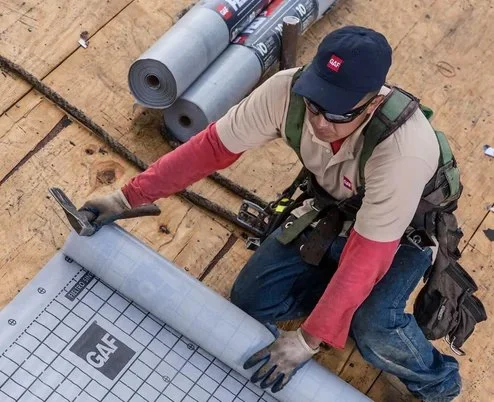
Roof underlayment is the unsung hero of your roofing system. Positioned directly beneath the shingles, it acts as a secondary layer of protection between your roof deck and the outside world. In Canada, where harsh winters, heavy snowfall, and seasonal downpours are routine, this layer becomes especially critical.
Imagine a day in Toronto when sudden freezing rain sweeps in—if shingles are your first defense, the underlayment is the backup that keeps water from seeping into your attic or insulation. Without it, even a small breach in shingles could lead to thousands in repairs. That’s why experienced contractors often say: “The strength of your roof is only as good as what’s underneath.”
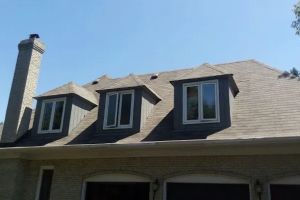
SGM Construction Roofing / sgmconstruction.ca
287 Epsom Downs Dr, North York, ON M3M 1T5, Canada
2. Different Types of Roof Underlayment in Canada
2.1 Asphalt-Saturated Felt
This is the traditional type and often referred to as “felt paper” or “tar paper.” It’s made from organic mat material soaked in asphalt. While it’s affordable and widely available, it’s also prone to tearing in high winds or during installation—especially in Canadian winters when the material becomes brittle.
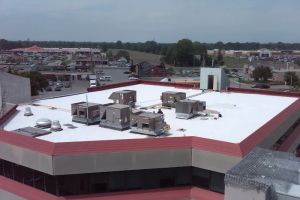
Horizon Roofing Ltd / horizon roofing
3735 Cabana Road E, Windsor, ON N8V 0A5, Canada
2.2 Synthetic Underlayment
Gaining popularity across provinces like Alberta and British Columbia, synthetic underlayment is lighter, stronger, and more water-resistant than felt. It resists UV damage, making it ideal for projects where the roof might remain exposed for several days.
2.3 Rubberized Asphalt
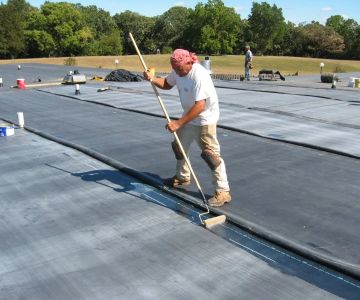
This high-performance option includes adhesive backing, allowing it to self-seal around nails or staples. It’s an excellent choice for vulnerable areas like valleys, eaves, and overhangs—especially where ice damming is a concern, such as in Quebec or Manitoba.
Contractors from Pickering Roofing often recommend rubberized asphalt for homes near Lake Ontario due to its superior moisture resistance and flexibility in cold conditions.
3. How to Choose the Best Underlayment for Your Roof
3.1 Assessing Your Roofing Material
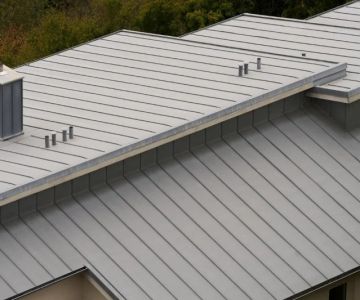
The type of shingles or roofing material you choose plays a key role. For asphalt shingles, synthetic or felt can work. For metal roofing, synthetic or rubberized asphalt is preferred due to temperature variation and condensation risks.
3.2 Understanding Roof Slope
Low-slope roofs demand better waterproofing, often requiring rubberized options. Steeper pitches may only need basic felt, depending on climate exposure. Understanding your roof’s geometry will guide this decision.
3.3 Budget and Longevity
While felt is cheaper upfront, synthetic and rubberized materials offer longer life and better protection. If you plan to live in your home long-term or want added peace of mind, investing in a higher-grade underlayment is wise.
4. The Impact of Canadian Weather on Roof Underlayment
4.1 Freeze-Thaw Cycles
Across much of Canada, freeze-thaw cycles can wreak havoc on roofing systems. Water that penetrates the surface can freeze, expand, and eventually damage roof decking. A high-quality underlayment absorbs or deflects this damage, acting as a buffer.
4.2 Snow Loads and Ice Dams
Ice damming is a common issue in regions like Nova Scotia and Ontario. Without the right underlayment, meltwater can back up under shingles and rot the wood beneath. Using a peel-and-stick rubberized underlayment in these areas helps mitigate this risk.
4.3 Heavy Rains and Winds
During summer storms or autumn wind events, water intrusion is a serious concern. Synthetic underlayment with anti-slip surfaces and superior tear resistance can ensure the structure holds up under pressure, especially during construction delays.
5. Important Installation Considerations
5.1 Proper Overlapping and Sealing
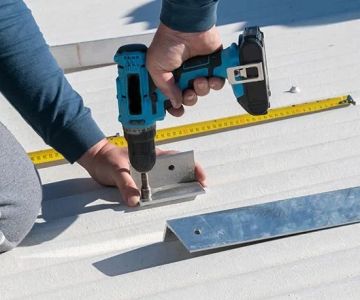
Underlayment should be installed with adequate overlap—typically 4 inches or more—to ensure water doesn’t penetrate seams. In cold climates, sealing edges with waterproof tape adds further protection.
5.2 Ventilation and Moisture Control
Improper ventilation can lead to moisture build-up beneath your roof deck, causing mold or rot. Good underlayment complements a well-designed ventilation system, allowing the roof to breathe while still repelling moisture.
5.3 Trusted Installation Teams
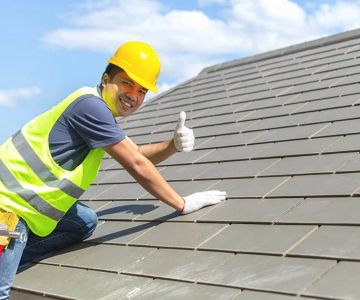
Incorrect installation can void warranties and create long-term problems. Always hire certified professionals who understand the local climate and material specs. That’s why homeowners across Ontario trust Pickering Roofing for reliable, experienced service.
6. Common Mistakes to Avoid and Maintenance Tips
6.1 Cutting Costs with the Wrong Material
Choosing the cheapest underlayment may save a few dollars initially, but it could cost thousands in repairs down the line. Always prioritize protection, especially in climates as diverse and harsh as Canada’s.
6.2 Ignoring Local Codes and Manufacturer Requirements
Building codes vary across provinces. Some areas require specific materials or installation techniques, especially in zones with high snow or wind exposure. Make sure your contractor is familiar with local regulations.
6.3 Maintenance and Periodic Checks
Even the best underlayment benefits from regular inspection. Look for signs of shingle wear, leaks in the attic, or loose flashing. Early detection can prevent major issues. And when in doubt, schedule an assessment with trusted experts like Pickering Roofing.
Roof underlayment may not be visible once the job is done, but its role is pivotal in protecting your home from Canada’s challenging climate. By understanding the materials, their function, and the local weather’s impact, homeowners can make smart, lasting decisions about their roofing systems.

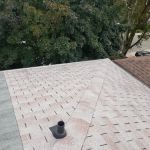 St. Louis Roofing4.0 (7 reviews)
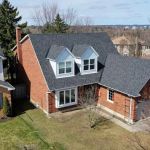 GoldHill Roofing4.0 (58 reviews)
 Ample Roofing & Construction5.0 (12 reviews)
 Quik Solutions Roofing3.0 (5 reviews)
 M&M Roofing & Exteriors4.0 (33 reviews)
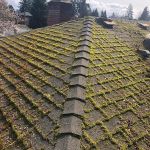 Vancouver Moss Removal0.0 (0 reviews)
 How Much Does a New Roof Cost in 2025? Canadian Roofing Price Guide
 Top Signs Your Roof Has a Leak and What to Do About It in Canada
 Can You Install a New Roof Over an Old One in Canada?
 The Top Questions to Ask Before Hiring a Roofer in Canada
 What Are the Most Common Roofing Scams and How to Avoid Them in Canada
 How to Prepare Your Home for a Roofing Project in Canada