
- green-building-certifications-for-roofs-canada
- understanding-leed-roofing-requirements
- net-zero-building-roof-requirements
- sustainable-roofing-materials-canada
- energy-efficiency-and-roof-performance
- real-world-green-roofing-examples
- choosing-professional-roofing-support
Green Building Certifications for Roofs in Canada: Why Sustainable Roofing Matters
As Canada continues to focus on reducing carbon emissions and improving building efficiency, homeowners, developers, and commercial property owners are paying closer attention to sustainable construction practices. One important area of green building design is the roof. A properly designed roof can significantly influence energy consumption, indoor comfort, and the overall environmental impact of a building.
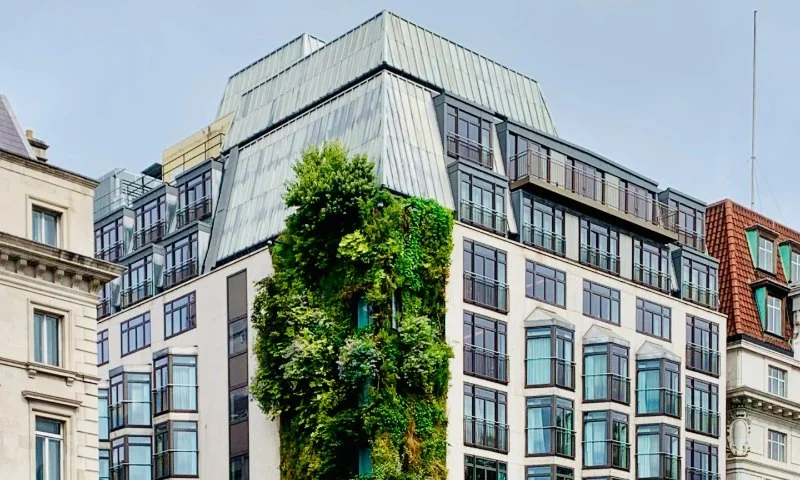
Green building certifications for roofs in Canada are becoming increasingly important because roofs represent one of the largest opportunities to improve energy performance. From insulation choices to reflective materials and renewable energy integration, roofing systems play a major role in helping buildings meet environmental goals.
Two of the most recognized approaches in Canada are LEED certification and Net Zero building standards. These programs encourage smarter design decisions that reduce energy waste, improve durability, and create healthier buildings. Understanding these requirements can help property owners make better roofing investments that provide long-term value.
Stokes Roofing / stokes roofing
PeterboroughPeterborough CountyOntario
641 Bellaire St, Peterborough, ON K9J 3Y5, Canada
1. Why the Roof Plays a Major Role in Sustainable Construction
Many people think of green buildings mainly in terms of solar panels, efficient appliances, or smart technology. However, the roof is often the first line of defense against Canada's challenging climate conditions. Extreme cold winters, heavy snowfall, strong winds, and seasonal temperature changes all place significant demands on roofing systems.
A sustainable roof must do more than prevent leaks. It should help control heat transfer, manage moisture, support ventilation, and maintain consistent indoor temperatures. When a roof performs efficiently, heating and cooling systems do not need to work as hard, which can lower energy consumption.
Lam Metal / lam metals
BurnabyMetro VancouverBritish Columbia
6962 Buller Ave, Burnaby, BC V5J 4V4, Canada
Canadian Climate Challenges and Roofing Performance
Canadian buildings face unique environmental pressures. A roof designed for a coastal region may require different materials and insulation strategies compared with a roof installed in a colder prairie area. Snow accumulation, freeze-thaw cycles, and humidity levels all affect roofing durability.
Green roofing standards encourage designers and contractors to consider local climate conditions rather than using a one-size-fits-all approach. This improves both environmental performance and the lifespan of the roofing system.
Understanding LEED Roofing Requirements in Canada
LEED, which stands for Leadership in Energy and Environmental Design, is one of the world's most recognized green building certification programs. In Canada, LEED-certified buildings are evaluated based on several factors, including energy efficiency, materials, water management, indoor environmental quality, and sustainable site practices.
For roofing systems, LEED requirements focus on how the roof contributes to overall building performance. A roof does not receive certification by itself, but its design choices can help a building earn valuable LEED points.
1. Energy Performance and Roofing Design
Energy efficiency is one of the most important areas connected to LEED roofing requirements in Canada. A well-insulated roof reduces heat loss during winter and prevents excessive heat gain during summer.
Roof insulation levels, thermal bridging prevention, and air sealing techniques all influence energy performance. Buildings seeking LEED certification often require roofing systems that exceed standard construction practices.
For example, a commercial building replacing an aging roof may choose a high-performance insulation system combined with reflective roofing materials. This improvement can reduce heating and cooling demand while supporting sustainability goals.
2. Sustainable Roofing Materials and Environmental Impact
Material selection is another important consideration in green building projects. LEED encourages the use of durable materials, recycled content, responsibly sourced products, and roofing systems that minimize environmental impact throughout their lifecycle.
A roof that lasts longer reduces the need for frequent replacement, which means fewer materials are sent to landfills and fewer resources are consumed over time.
3. Cool Roof Strategies and Urban Heat Reduction
Cool roofing systems are designed to reflect more sunlight and absorb less heat compared with traditional roofing materials. In urban areas, these systems can help reduce the heat island effect, where cities become significantly warmer due to buildings, roads, and limited vegetation.
Reflective roofing membranes, lighter-colored materials, and specialized coatings are examples of solutions that may support green building objectives.
Net Zero Roofing Requirements in Canada
Net Zero buildings represent another major movement in sustainable construction. A Net Zero building produces as much energy as it consumes over the course of a year, typically through a combination of energy efficiency improvements and renewable energy generation.
The roof is especially important for Net Zero projects because it often provides the space needed for solar energy systems while also controlling building heat loss.
1. High-Performance Roof Insulation
A Net Zero building cannot waste large amounts of energy through poorly designed building envelopes. Roof insulation is therefore one of the most critical components.
High-performance insulation materials help maintain indoor temperatures by reducing heat movement through the roof assembly. In Canada's colder climates, this can significantly reduce heating requirements.
Air Barriers and Moisture Management
A sustainable roof must also manage air leakage and moisture. Small gaps in roofing assemblies can allow warm indoor air to escape, creating condensation problems during cold weather.
Proper air barriers, vapor control layers, and ventilation systems help protect the roof structure and maintain long-term performance.
2. Solar Integration and Renewable Energy Support
Many Net Zero buildings use rooftop solar panels to generate electricity. A roof designed for solar installation must consider structural strength, waterproofing, and future maintenance needs.
A poorly planned solar installation can create problems if roof penetrations are not properly managed. Professional roofing design ensures renewable energy systems work together with the roof rather than creating unnecessary risks.
Sustainable Roofing Materials for Canadian Buildings
Choosing the right roofing materials is essential for green construction. Sustainable roofing is not simply about choosing the newest product. It involves evaluating durability, energy performance, environmental impact, and suitability for local weather conditions.
1. Metal Roofing Systems
Metal roofing is popular in many sustainable building projects because of its durability and recyclability. Properly maintained metal roofs can last for decades and often contain recycled materials.
They can also support solar panel installations and provide excellent resistance against harsh Canadian weather.
2. Green Roof Systems
Green roofs use vegetation layers installed above waterproof roofing systems. These roofs provide additional insulation, manage stormwater, and create natural habitats in urban environments.
While green roofs require careful planning and maintenance, they can provide impressive environmental benefits when properly designed.
3. Advanced Roofing Membranes
Modern roofing membranes can improve waterproofing performance while offering reflective properties that support energy efficiency. These systems are commonly used in commercial buildings pursuing sustainability goals.
How Roof Design Improves Energy Efficiency
Energy-efficient roofing is not based on a single product. It is the result of combining insulation, ventilation, materials, installation quality, and maintenance practices.
1. Proper Roof Ventilation
Ventilation helps control moisture and temperature within roofing assemblies. In cold climates, proper ventilation reduces the risk of ice dams and condensation damage.
A balanced ventilation system allows air movement while protecting insulation performance.
2. Long-Term Maintenance Planning
Even the most sustainable roof requires regular care. Small issues such as damaged flashing, clogged drainage systems, or minor leaks can reduce energy performance if ignored.
Routine inspections help identify problems early and extend the useful life of roofing systems.
Real-World Examples of Sustainable Roofing in Canada
Across Canada, many commercial buildings, schools, and residential developments are adopting green roofing strategies. These projects demonstrate how thoughtful roof design can reduce energy costs while improving environmental performance.
1. Commercial Buildings Moving Toward Net Zero Goals
A commercial property owner upgrading an older building may begin with a roof replacement. By adding improved insulation, installing reflective materials, and preparing the roof for solar panels, the building can move closer to Net Zero performance.
This type of upgrade shows that roofing improvements are not only about preventing damage. They can become part of a larger sustainability strategy.
2. Residential Homeowners Choosing Sustainable Roofing
Many Canadian homeowners are also looking for environmentally responsible roofing options. Energy-efficient roofs can improve comfort, reduce utility expenses, and increase property value.
Working with experienced professionals such as Pickering Roofing can help homeowners understand which roofing solutions match their climate, budget, and sustainability goals.
Choosing the Right Roofing Partner for Green Building Projects
Green building certifications require careful planning. The roofing contractor must understand insulation requirements, ventilation principles, material performance, and installation standards.
Choosing an experienced roofing company helps ensure sustainable roofing investments deliver the expected benefits. Poor installation can reduce the performance of even the highest-quality materials.
1. Questions to Ask Before Starting a Project
Before beginning a green roofing project, property owners should consider:
1. Does the roofing system meet local climate requirements?
2. How will insulation improve energy efficiency?
3. Can the roof support future solar installation?
4. Which materials provide the best long-term value?
5. How will maintenance requirements affect lifecycle costs?
2. Building a More Sustainable Future
As environmental standards continue to evolve, roofing will remain an essential part of sustainable construction in Canada. Whether the goal is LEED certification, Net Zero performance, or simply creating a more energy-efficient property, the right roofing decisions can make a measurable difference.
Property owners interested in improving their building performance can explore professional roofing solutions from Pickering Roofing to find durable, energy-efficient options designed for Canadian conditions.
 Chouinard Bros3.0 (87 reviews)
 Toitures Top Qualité Inc.4.0 (6 reviews)
 Roofing Pros of Ontario5.0 (2 reviews)
 Allpro Roofing and Exteriors inc5.0 (3 reviews)
 Innove Toit — Couvreur Toiture Bardeaux & Membranes | Urgence Toiture Québec & Lévis5.0 (20 reviews)
 Tormax Roofing Inc.5.0 (1 reviews)
 How Much Does a New Roof Cost in 2025? Canadian Roofing Price Guide
 Top Signs Your Roof Has a Leak and What to Do About It in Canada
 Can You Install a New Roof Over an Old One in Canada?
 The Top Questions to Ask Before Hiring a Roofer in Canada
 What Are the Most Common Roofing Scams and How to Avoid Them in Canada
 How to Prepare Your Home for a Roofing Project in Canada