
How Long Do Roofs Last? Average Lifespan by Material
- 1-Why Roof Lifespan Matters
- 2-Average Lifespan of Roofing Materials
- 3-How to Extend Roof Lifespan
- 4-When to Replace Your Roof
1. Why Roof Lifespan Matters
Understanding the lifespan of your roof is critical for homeowners. A roof is one of the most significant investments in your home, and knowing how long it can last helps you plan for future repairs or replacements. Roof longevity directly affects your home’s value, energy efficiency, and overall safety. Regular maintenance and understanding the average lifespan of different roofing materials can save you from costly repairs down the road.
Toiture Royale Expert Inc. / toiture royale expert
LévisChaudière-AppalachesQuébec
7921 Rue de l'Orge, Lévis, QC G6Y 0G1, Canada
2. Average Lifespan of Roofing Materials
Not all roofs are created equal. The lifespan of your roof depends on the material used. Here’s a breakdown of common roofing materials and how long they typically last:

Ottawa Eavestrough Group / eavestrough repair ottawa
340 Albert St, Ottawa, ON K1R 7Y6, Canada
1. Asphalt Shingles
Asphalt shingles are the most commonly used roofing material. They are affordable, easy to install, and available in a variety of styles. On average, asphalt shingle roofs last between 15 to 30 years. The lifespan can vary depending on the climate and maintenance. Harsh weather conditions, such as heavy winds or hail, can shorten their lifespan.
2. Metal Roofing
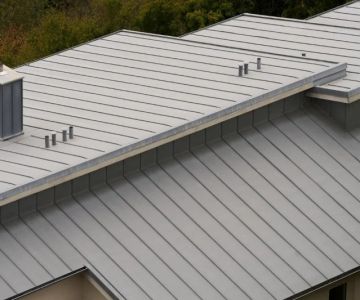
Metal roofing is known for its durability and longevity. Metal roofs typically last between 40 to 70 years, depending on the material (steel, aluminum, copper) and the quality of the installation. Metal roofs are resistant to many of the elements that damage other materials, such as high winds and heavy rain. They also provide energy efficiency by reflecting heat, reducing cooling costs in warmer climates.
3. Wood Shingles and Shakes
Wood shingles and shakes offer a natural, attractive look, often found on homes with a rustic or traditional design. They generally last between 20 to 40 years, but this can be affected by factors like moisture, insects, and maintenance. Regular treatment can extend their lifespan, but they require more upkeep compared to other roofing materials.
4. Clay and Concrete Tiles
Clay and concrete tiles are durable and can last a lifetime. These roofs typically last 50 to 100 years, depending on the quality of the tiles and installation. They are often found in Mediterranean, Spanish, or Southwestern-style homes. They are fire-resistant and able to withstand extreme weather, making them popular in areas prone to wildfires or storms.
5. Slate Roofing
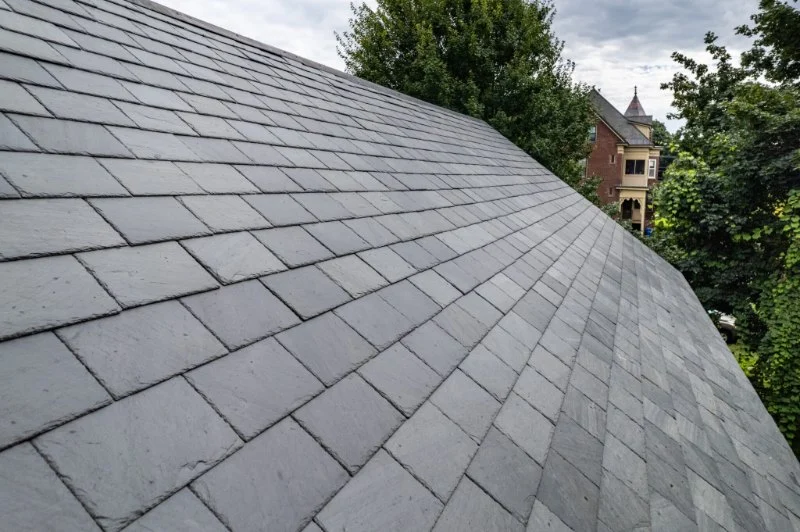
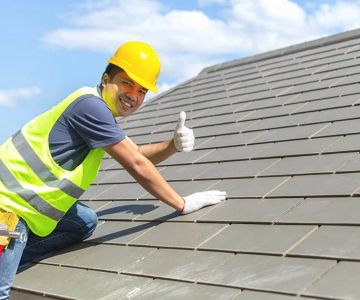
Slate roofing is another long-lasting option, often lasting more than 100 years. Slate is known for its beauty, durability, and resistance to mold, mildew, and rot. Although slate roofing is one of the most expensive options, its longevity and low maintenance costs make it a popular choice for historic homes or luxury residences.
6. Synthetic Roofing Materials
Synthetic roofing materials, such as rubber, plastic, and polymer, mimic the appearance of other materials like wood or slate but tend to be more affordable. The lifespan of synthetic materials varies, but most last between 30 to 50 years. They are lightweight, durable, and eco-friendly, making them an appealing choice for modern homeowners.
3. How to Extend Roof Lifespan
Proper maintenance is the key to extending the lifespan of your roof. Here are some tips to help you get the most out of your roof:
1. Regular Inspections
Regular roof inspections help identify potential issues before they become major problems. It’s recommended to have your roof inspected at least twice a year—once in the spring and once in the fall—and after severe weather conditions. Look for signs of wear, such as missing shingles or leaks, and address them promptly.
2. Clean Your Gutters
Clogged gutters can lead to water pooling on your roof, which can result in leaks and damage over time. Clean your gutters regularly, especially during the fall when leaves and debris accumulate. Ensuring proper water drainage will help protect your roof and extend its lifespan.
3. Address Moss and Algae Growth
Moss and algae can damage your roof by trapping moisture, which can lead to rot. If you notice moss or algae, remove them as soon as possible. There are various cleaning solutions available that can help remove these growths without damaging the shingles or tiles.
4. Proper Ventilation
Proper attic ventilation is essential for maintaining your roof’s longevity. Good ventilation helps regulate temperature and moisture levels in your attic, preventing mold growth and extending the life of your roof. Make sure your roof is properly ventilated to allow airflow and prevent heat buildup.
4. When to Replace Your Roof
Knowing when it’s time to replace your roof can be challenging, but there are several signs that indicate your roof is nearing the end of its lifespan:
1. Extensive Damage
If your roof has extensive damage—such as numerous missing shingles, large cracks, or significant leaks—it may be time for a replacement. Patches and repairs may help temporarily, but replacing the roof is often more cost-effective in the long run.
2. Age of the Roof
The age of your roof is another important factor. If your roof is nearing or past its expected lifespan (15-30 years for asphalt shingles, 50-100 years for clay or slate), it may be time to start thinking about a replacement, especially if you’re noticing a decline in performance.
3. Energy Efficiency Loss
If you notice an increase in your energy bills, it may be a sign that your roof is no longer providing adequate insulation or protection. A failing roof can allow heat to escape, leading to higher heating and cooling costs.
4. Shingle Granules in Gutters
If you find granules from your shingles in the gutters, it’s a sign that your roof is deteriorating. The granules protect the shingles from UV rays and help maintain the roof’s integrity. Loss of granules can lead to faster wear and may indicate that it’s time to replace your roof.
In conclusion, understanding how long roofs last and how to maintain them is essential for homeowners who want to protect their investment. Whether you're dealing with asphalt shingles or a more durable material like slate, regular maintenance will help you get the most out of your roof. For expert advice on roof replacement and maintenance, visit Pickering Roofing for all your roofing needs.
 GRRC Roofing3.0 (29 reviews)
 Top Roofers Toronto3.0 (2 reviews)
 Toitures Roy4.0 (5 reviews)
 Nail To Nail Roofing3.0 (8 reviews)
 Arc Roofing & Waterproofing0.0 (0 reviews)
 Upward Roofing AB.Commercial & leak repairs LTD5.0 (4 reviews)
 How Much Does a New Roof Cost in 2025? Canadian Roofing Price Guide
 Top Signs Your Roof Has a Leak and What to Do About It in Canada
 Can You Install a New Roof Over an Old One in Canada?
 The Top Questions to Ask Before Hiring a Roofer in Canada
 What Are the Most Common Roofing Scams and How to Avoid Them in Canada
 How to Prepare Your Home for a Roofing Project in Canada