
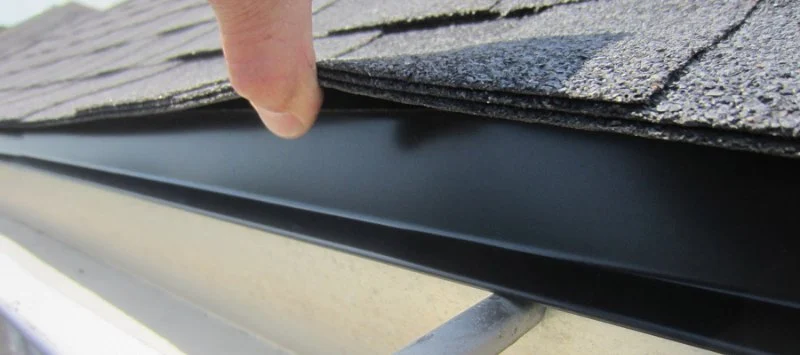
How Roof Flashing Prevents Ice Dam Damage Along Roof Edge
Ice dams are one of the most common issues homeowners in colder climates, such as Canada, face during the winter months. These dams can cause significant damage to roofs, gutters, and interiors of homes. One effective way to prevent ice dam damage along the roof edge is by installing roof flashing. In this article, we will explore how roof flashing works to protect your home and why it’s a crucial part of winter roof maintenance.
- 1. Understanding Ice Dams
- 2. How Roof Flashing Prevents Ice Dam Damage
- 3. Types of Roof Flashing Used for Ice Dam Prevention
- 4. Roof Flashing Installation Tips
- 5. How Pickering Roofing Can Help
1. Understanding Ice Dams
Ice dams form when heat from the attic melts the snow on the roof, and the water runs down to the eaves. Once the water reaches the colder eaves, it refreezes, causing a dam of ice to form. As more water flows down the roof, it gets trapped behind the ice dam, causing it to back up under the shingles. This trapped water can seep into the home, causing leaks, water damage, and even mold growth.

Flynn Canada Ltd. - Toronto / flynn mississauga
MississaugaRegional Municipality of PeelOntario
6435 Northwest Dr, Mississauga, ON L4V 1X1, Canada
1.1 Causes of Ice Dams
Several factors can contribute to the formation of ice dams, including poor attic insulation, inadequate ventilation, and improperly installed roofing materials. Homes with inadequate ventilation in the attic are more prone to ice dams because the warm air from the house rises into the attic, warming the roof and causing the snow to melt. Additionally, old or damaged roofs may allow water to seep under shingles, creating the ideal conditions for ice dams to form.
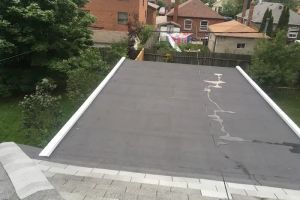
2. How Roof Flashing Prevents Ice Dam Damage
Roof flashing is an essential part of a roof’s defense against ice dams. Flashing refers to the materials used to seal joints and prevent water from seeping into the home. It’s typically installed around vulnerable areas such as the roof’s edges, valleys, and where the roof meets walls or chimneys.
2.1 Directing Water Away from Vulnerable Areas
Roof flashing works by directing water away from the edges of the roof and into the gutters. When ice dams begin to form, the flashing ensures that any melting snow or ice is funneled safely off the roof, preventing water from backing up into the attic or under shingles. By protecting the roof edges, flashing minimizes the potential for water infiltration and structural damage.
2.2 Enhancing Roof Durability
In addition to preventing ice dam damage, roof flashing helps protect your roof from the wear and tear caused by the freeze-thaw cycles of winter. The flashing serves as a barrier against the freezing temperatures that can cause shingles to crack or become dislodged. This added protection can extend the life of your roof and reduce the need for costly repairs.
3. Types of Roof Flashing Used for Ice Dam Prevention
There are several types of roof flashing, each designed for specific applications. When it comes to preventing ice dam damage, certain types of flashing are more effective than others.
3.1 Eave Flashing
Eave flashing is installed along the roof’s edge to protect the area where ice dams are most likely to form. This flashing is typically made from durable materials like aluminum or copper, which are resistant to corrosion and can withstand freezing temperatures. Eave flashing is particularly effective in preventing water from seeping under the shingles at the roof’s edges.
3.2 Valley Flashing
In addition to eave flashing, valley flashing is used in areas where two roof slopes meet, creating a valley. Water can accumulate in these areas, and without proper flashing, it can seep into the home. Valley flashing helps direct water down the slope and away from vulnerable areas of the roof.
3.3 Step Flashing
Step flashing is used along the junction between the roof and vertical surfaces such as walls or chimneys. It helps prevent water from running down the walls and leaking into the house. Step flashing is often installed in overlapping layers to provide maximum protection.
4. Roof Flashing Installation Tips
Proper installation of roof flashing is essential for ensuring it performs effectively in preventing ice dam damage. Here are some tips to keep in mind:
4.1 Hire a Professional
Installing roof flashing is a job that requires skill and precision. If not installed correctly, flashing can fail to protect your roof effectively. It’s best to hire a professional roofing contractor who has experience with flashing installation and understands the specific needs of your roof.
4.2 Ensure Proper Insulation and Ventilation
In addition to installing flashing, it’s crucial to ensure your attic is properly insulated and ventilated. This will prevent warm air from escaping into the attic and melting the snow on your roof. Proper insulation and ventilation, combined with flashing, provide the most effective protection against ice dams.
5. How Pickering Roofing Can Help
At Pickering Roofing, we specialize in roof repairs, installations, and maintenance to protect your home from winter weather damage. Our team can help you choose the right roof flashing for your home, ensuring that your roof is properly sealed and protected from ice dams. Contact us today to learn more about our roofing solutions and how we can help safeguard your home this winter.


 Sparkle Roofing Inc.4.0 (12 reviews)
 Advanced Flat Roof Systems5.0 (19 reviews)
 First Class Roofing and Sheet Metal Inc0.0 (0 reviews)
 FALX LTD. Metal Roofing5.0 (107 reviews)
 EPDM Roofers5.0 (2 reviews)
 Time Roofing3.0 (2 reviews)
 How Much Does a New Roof Cost in 2025? Canadian Roofing Price Guide
 Top Signs Your Roof Has a Leak and What to Do About It in Canada
 Can You Install a New Roof Over an Old One in Canada?
 The Top Questions to Ask Before Hiring a Roofer in Canada
 What Are the Most Common Roofing Scams and How to Avoid Them in Canada
 How to Prepare Your Home for a Roofing Project in Canada