
- Understanding Roof Pitch
- How Roof Pitch Affects Snow Accumulation
- The Role of Roof Pitch in Snow Melting
- Best Roofing Solutions for Snow Management
Understanding Roof Pitch
When it comes to the performance of your roof, particularly during winter months in Canada, the pitch or slope of the roof plays a vital role. Roof pitch is the steepness or angle of the roof and is typically measured in inches of vertical rise per foot of horizontal run. This is crucial because it directly impacts the way snow accumulates and melts, affecting not only the aesthetic appeal of your home but also its structural integrity and energy efficiency.
A roof with a higher pitch tends to shed snow more effectively, while a lower pitch may cause more snow to accumulate, leading to potential risks and the need for frequent snow removal. But how exactly does roof pitch influence snow accumulation and melting? Let’s dive deeper.
Roof Rescue Ontario Inc. / trudel & sons roofing ltd
Whitchurch-StouffvilleRegional Municipality of YorkOntario
164 Hawthorn Ave, Whitchurch-Stouffville, ON L4A 4Y8, Canada
How Roof Pitch Affects Snow Accumulation
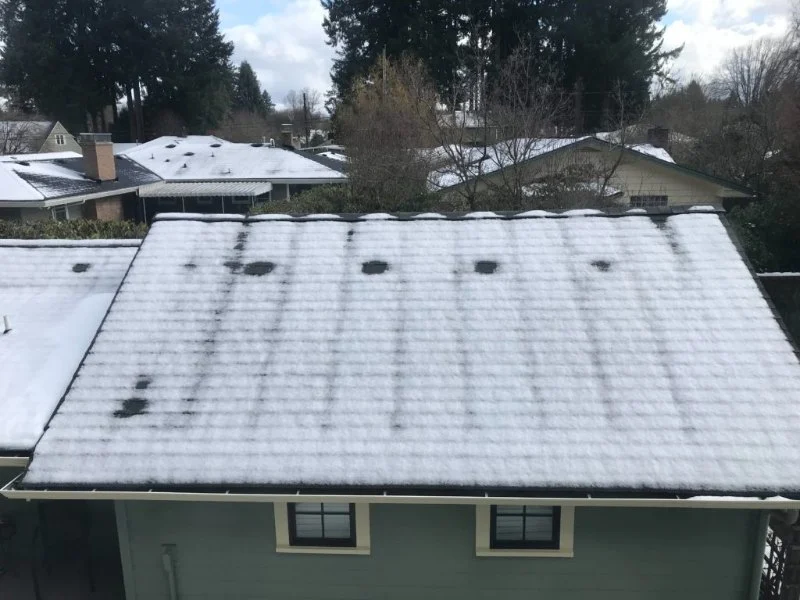
Snow accumulation on roofs is largely influenced by the angle of the roof's slope. A steeper roof pitch allows snow to slide off more easily, reducing the amount of snow that stays on the roof. This can prevent heavy snow accumulation, which can lead to structural issues such as sagging or damage to the roof's framework.
On the other hand, a flatter roof pitch may allow snow to accumulate, especially in areas that experience heavy snowfalls. The snow tends to build up because it has less of a slope to slide off from. Over time, this can add significant weight to the roof and, in the worst cases, cause it to collapse or incur damage. Additionally, ice dams can form in these areas, leading to water infiltration inside your home.
Case in point: In regions of Canada with harsh winters, homeowners with flat or low-pitched roofs often find themselves dealing with extensive snow removal and potential snow damage. Meanwhile, homes with steeper roofs typically face fewer snow-related challenges.
The Role of Roof Pitch in Snow Melting
Roof pitch not only affects how much snow accumulates, but also plays a role in the melting process. A roof with a high pitch allows snow to slide off more rapidly, which can be advantageous in preventing water damage from melting snow. However, the rate of melting also depends on several factors, including roof materials, insulation, and the temperature of the roof surface.
For roofs with a lower pitch, the snow may stay in place longer, especially if the temperatures fluctuate. While some of the snow may eventually melt due to warmer weather, it’s more likely to form ice dams, which can prevent proper drainage and lead to water leaks inside the home. Adequate insulation and ventilation in the attic are crucial to ensuring that the roof can melt snow at a controlled rate, reducing the likelihood of these issues.
Properly designed roofing systems that incorporate efficient insulation and adequate slope can facilitate better snow and ice management. Homeowners should ensure that their roofs are designed to withstand local weather conditions and minimize the risks posed by accumulated snow.
Best Roofing Solutions for Snow Management
When selecting roofing materials and designs for homes in areas with heavy snow, it’s important to consider the roof pitch and its effect on snow management. Here are some roofing solutions that can help with snow accumulation and melting:
- Steeper Roof Pitches: As mentioned, steeper roofs help snow slide off more easily, preventing snow buildup. A pitch of at least 30 degrees is recommended for homes in regions with heavy snow. The steeper the pitch, the more effective it is in shedding snow.
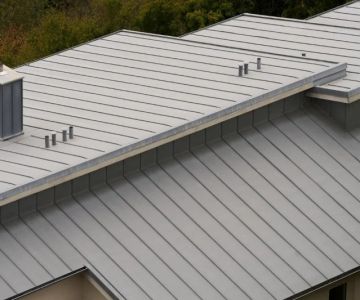
- Metal Roofing: Metal roofs are ideal for snowy regions because their smooth surfaces allow snow to slide off more easily. Combined with a steep roof pitch, metal roofs can help reduce the chances of snow accumulation and ice dams.
- Roof Shovels and Snow Guards: For homes with lower-pitched roofs, using snow shovels to remove excess snow or installing snow guards can help manage snow buildup. Snow guards prevent snow from sliding off in large, dangerous amounts, ensuring that it melts slowly and safely.
- Insulation and Ventilation: Proper attic insulation and ventilation help keep the roof temperature stable, promoting the even melting of snow. This can reduce the formation of ice dams and help manage water runoff efficiently.
At BeachCo Roofing Hub, we offer a wide range of roofing solutions designed for snow management. Whether you're dealing with heavy snowfalls or looking to upgrade your roof, our expert team can help you select the right materials and designs to suit your needs.
Understanding how roof pitch affects snow accumulation and melting can help homeowners make informed decisions about roof maintenance and snow removal. The right roofing system can ensure safety, longevity, and comfort in your home throughout the winter months.

 Toiture Summa5.0 (33 reviews)
 Evandale Roofing & Siding4.0 (23 reviews)
 Guycan Ltd4.0 (72 reviews)
 Universal Roofs5.0 (97 reviews)
 Toitures Cossette4.0 (56 reviews)
 Ready Roofers5.0 (21 reviews)
 How Much Does a New Roof Cost in 2025? Canadian Roofing Price Guide
 Top Signs Your Roof Has a Leak and What to Do About It in Canada
 Can You Install a New Roof Over an Old One in Canada?
 The Top Questions to Ask Before Hiring a Roofer in Canada
 What Are the Most Common Roofing Scams and How to Avoid Them in Canada
 How to Prepare Your Home for a Roofing Project in Canada