
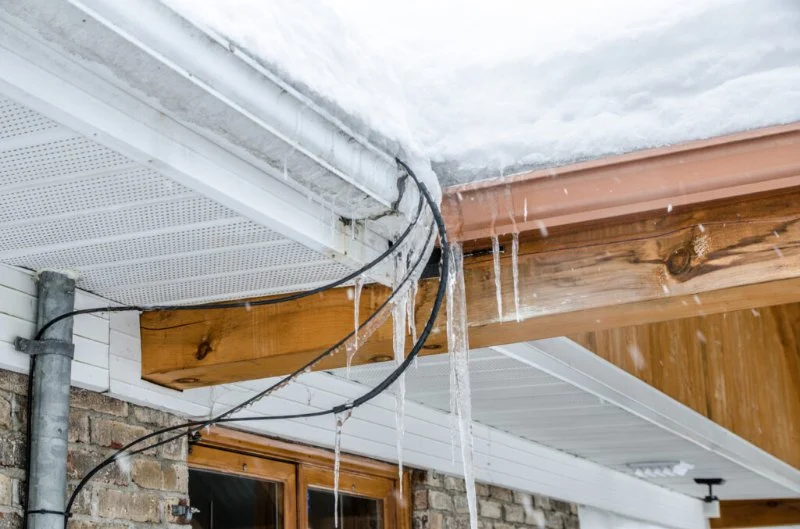
1. Why Roof Ventilation is Critical in Preventing Ice Dams and Rot
In the cold winters of Canada, homeowners face many challenges when it comes to roof maintenance. One of the most common and damaging issues is ice dams and rot in the eaves. Fortunately, proper roof ventilation plays a crucial role in preventing these issues. By ensuring that warm air from your home escapes properly and that cold air circulates through your attic, you can prevent the formation of ice dams and protect your roof from rot. In this article, we’ll explore how roof ventilation helps in preventing these problems and how to implement it in your home.
Best Roofer & Renovation / best roofing toronto
2967 Dundas St W #1584, Toronto, ON M6P 1Z2, Canada
2. What Are Ice Dams and How Do They Form?
2.1 Understanding Ice Dams
Ice dams form when the warm air inside your attic melts the snow on your roof. As the water flows down towards the eaves, it refreezes because the eaves are cooler. Over time, the ice accumulates and forms a dam, preventing water from draining off the roof. This trapped water can back up under the shingles, causing leaks, structural damage, and rot. Ice dams are particularly common in regions with heavy snowfall and fluctuating temperatures, such as many parts of Canada.
Stokes Roofing / stokes roofing
PeterboroughPeterborough CountyOntario
641 Bellaire St, Peterborough, ON K9J 3Y5, Canada
2.2 How Roof Ventilation Prevents Ice Dams
Proper roof ventilation helps regulate the temperature in your attic, ensuring that the entire roof stays cold and preventing the warm air from melting the snow. This balance allows the snow on your roof to remain intact, preventing the formation of ice dams. Ventilation systems work by allowing cool air to enter the attic through soffit vents and exit through ridge vents. This constant air movement keeps the temperature consistent, reducing the likelihood of ice dam formation and the damage that comes with it.
3. The Role of Roof Ventilation in Preventing Rot in the Eaves
- 3.1 The Importance of Roof Ventilation for Eaves Protection
- 3.2 How Ventilation Prevents Rot in the Eaves
3.1 The Importance of Roof Ventilation for Eaves Protection
In addition to preventing ice dams, proper roof ventilation is also essential for preventing rot in the eaves. Over time, stagnant moisture trapped in poorly ventilated attics can seep into the eaves and fascia boards, leading to rot and decay. This rot can weaken your roof structure and cause costly repairs. Ventilation helps keep the air moving in your attic, reducing moisture buildup and preserving the integrity of your roof and eaves.
3.2 How Ventilation Prevents Rot in the Eaves
When your attic is properly ventilated, it prevents excess moisture from accumulating. Moisture can come from several sources, including humid air from your living spaces, snowmelt from the roof, or condensation from improper ventilation. When this moisture is allowed to escape through proper ventilation, it prevents the growth of mold and the deterioration of wood in your eaves. Without this ventilation, the trapped moisture can lead to rotting, which not only damages your roof but also compromises the safety of your home.
4. How to Ensure Proper Roof Ventilation
4.1 Types of Roof Ventilation Systems
There are two main types of ventilation systems to consider when installing or upgrading your roof ventilation: intake vents and exhaust vents. Intake vents are typically installed in the soffits or eaves of the roof and allow cool air to enter the attic. Exhaust vents, often installed at the ridge or peak of the roof, allow warm, moist air to escape. Together, these vents create a balanced airflow that prevents moisture buildup, maintains a consistent temperature, and ensures that your roof remains protected.
4.2 Installation Tips for Proper Ventilation
Proper installation of your roof ventilation system is crucial to its effectiveness. Here are some tips for ensuring the best results:
- Balance Intake and Exhaust: Ensure that you have enough intake vents to match the number of exhaust vents. A good rule of thumb is to have a 1:1 ratio between intake and exhaust vents to allow for optimal airflow.
- Consider the Roof’s Shape: The shape and pitch of your roof will determine where the vents should be placed. For steeper roofs, you may need more exhaust vents at the ridge to promote proper airflow.
- Regular Maintenance: Make sure to clean the vents regularly to ensure they remain free of debris, leaves, and other blockages that could impede airflow.
5. When to Consult a Roofing Professional
While installing or upgrading your roof ventilation can be a DIY project, certain situations may require the expertise of a professional roofer. If you're dealing with a particularly complex roof structure, extensive damage, or unsure about the best ventilation solution for your home, it's always a good idea to consult a professional. A roofing expert can assess your current ventilation, recommend improvements, and ensure that your roof remains in top condition.
For reliable roofing services and top-quality ventilation systems, visit Pickering Roofing. They offer expert advice, materials, and installation services to keep your home safe from ice dams and roof rot, ensuring your roof performs its best throughout the year.

 Toiture Summa5.0 (33 reviews)
 Evandale Roofing & Siding4.0 (23 reviews)
 Guycan Ltd4.0 (72 reviews)
 Universal Roofs5.0 (97 reviews)
 Toitures Cossette4.0 (56 reviews)
 Ready Roofers5.0 (21 reviews)
 How Much Does a New Roof Cost in 2025? Canadian Roofing Price Guide
 Top Signs Your Roof Has a Leak and What to Do About It in Canada
 Can You Install a New Roof Over an Old One in Canada?
 The Top Questions to Ask Before Hiring a Roofer in Canada
 What Are the Most Common Roofing Scams and How to Avoid Them in Canada
 How to Prepare Your Home for a Roofing Project in Canada