
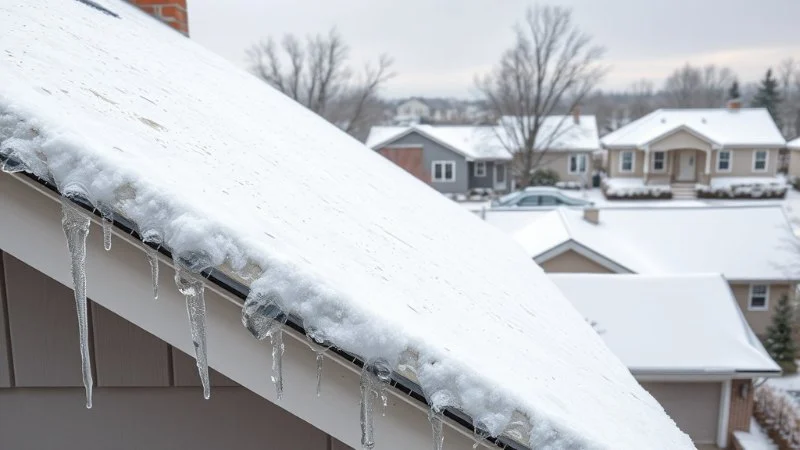
How to Avoid Ice Dams & Icicle Damage Along Eaves
- Why Ice Dams and Icicles Form on Roofs
- Prevention Tips for Ice Dams and Icicle Damage
- Dealing with Existing Ice Dams and Icicles
- Common Mistakes to Avoid When Preventing Ice Dams
- Real-Life Stories of Ice Dam Prevention
1. Why Ice Dams and Icicles Form on Roofs
Ice dams and icicles are common winter problems for many homeowners, particularly in colder climates like Canada. These issues can cause significant damage to your roof, eaves, and gutters if left unaddressed. But before we dive into how to prevent them, it’s essential to understand what causes ice dams and icicles in the first place.
Ice dams typically form when warm air from inside your home escapes into your attic, causing the snow on your roof to melt. As the meltwater flows down to the cooler eaves, it refreezes, forming a dam of ice. Over time, the dam can prevent water from draining properly, leading to leaks inside your home. Icicles form in a similar way, with the melting water freezing at the edges of the roof, creating large, dangerous icicles hanging down.

GoldHill Roofing / goldhill
526 Welham Rd Unit 1, Barrie, ON L4N 8Z7, Canada
2. Prevention Tips for Ice Dams and Icicle Damage
The best way to deal with ice dams and icicles is to prevent them from forming in the first place. Here are several tips you can implement to protect your roof and eaves during the winter months:
Marlad Roofing & Siding Inc / marlad
BramptonRegional Municipality of PeelOntario
30 Hale Rd Unit 14, Brampton, ON L6W 4N9, Canada
1. Insulate Your Attic
Proper attic insulation is one of the most effective ways to prevent ice dams. Insulation helps keep the heat inside your home from escaping into the attic, preventing the roof from getting warm enough to melt snow. The key is to ensure that your attic has enough insulation to maintain consistent temperature regulation across your roof. This will prevent uneven melting and refreezing of snow.
2. Improve Attic Ventilation
Good ventilation is another critical factor in preventing ice dams. When warm air accumulates in the attic, it can cause the snow on your roof to melt. Proper attic ventilation helps to keep the attic temperature closer to the outdoor temperature, which prevents the snow from melting and refreezing along the eaves. Installing roof vents and soffit vents allows cold air to circulate in the attic, reducing the buildup of warm air that can cause ice dams.
3. Keep Your Roof Clean
Snow and ice can accumulate on your roof throughout the winter, leading to potential ice dams. To prevent this, regularly remove snow from your roof using a roof rake or hire a professional to do it. Make sure to focus on the areas near the eaves where ice dams are most likely to form. Additionally, clearing debris from your roof can help water drain off easily, preventing potential blockages that could lead to ice dams.
4. Install Ice and Water Shield
One of the most effective ways to protect your roof from ice dams is by installing an ice and water shield along the eaves. This roofing membrane provides an extra layer of protection against water infiltration caused by ice dams. It helps prevent leaks even if the ice dam forms, providing homeowners with peace of mind during the winter months.
5. Heat Cables for Eaves
In areas where ice dams are a frequent issue, installing heat cables along your roofline can be an excellent solution. These cables are designed to melt the snow and ice on the roof, preventing the formation of ice dams. They are typically installed along the eaves and can be plugged in when needed to keep the roof clear of ice.
3. Dealing with Existing Ice Dams and Icicles
If ice dams and icicles have already formed on your roof, it’s crucial to act quickly to prevent further damage. Here’s how to handle the situation:
1. Remove Snow from the Roof
If it’s safe to do so, use a roof rake with a long handle to remove excess snow from the roof. Focus on the areas where ice dams are forming and clear away as much snow as possible. Make sure to work carefully to avoid damaging the roof or gutters.
2. Break Up the Ice Dam
For existing ice dams, you can carefully break them up using a mallet and a pry bar. Start from the top of the dam and work your way down, being cautious not to damage your shingles. If you’re uncomfortable doing this yourself, it’s best to hire a professional who has the right tools and experience to safely remove the ice.
3. Melt the Ice Using a Safe Method
To speed up the process, you can use a de-icing product, such as calcium chloride, to melt the ice. Place the de-icer in a cloth bag and hang it over the ice dam. Alternatively, you can use a heat cable to safely melt the ice. Never use boiling water, as it can cause more problems by refreezing and worsening the ice dam.
4. Common Mistakes to Avoid When Preventing Ice Dams
Preventing ice dams requires careful attention to detail, and there are several mistakes homeowners often make that can lead to further problems. Here are some common mistakes to avoid:
1. Ignoring Proper Insulation
One of the biggest mistakes is failing to properly insulate your attic. Without sufficient insulation, warm air from your home will escape into the attic, causing snow to melt and refreeze along the eaves. It’s essential to ensure your attic is adequately insulated to prevent this from happening.
2. Not Maintaining Gutters
Clogged gutters can contribute to ice dam formation by preventing snowmelt from draining off the roof. Be sure to clean your gutters regularly, especially before winter sets in. This will allow water to flow freely off the roof and reduce the chances of ice dams forming.
3. Using Hazardous Chemicals
Some homeowners resort to using harmful chemicals to melt ice dams, such as rock salt. While this may melt the ice temporarily, it can damage your roof, gutters, and the surrounding environment. Always choose safe, non-corrosive products when attempting to remove ice dams or icicles.
5. Real-Life Stories of Ice Dam Prevention
Here are a couple of real-life experiences from homeowners who successfully dealt with ice dams and icicle damage:
Case Study 1: Sarah’s Winter Roof Protection
Sarah, a homeowner in Canada, noticed ice dams forming along her eaves after a heavy snowfall. She decided to take preventive measures by improving her attic insulation and installing heat cables along the roofline. This proactive approach prevented any further ice dam formation, and her roof remained intact throughout the winter.
Case Study 2: Mark’s Gutter and Insulation Fix
Mark had been dealing with ice dams for years but decided to take action when they began to cause leaks inside his home. He cleaned his gutters, added extra insulation to the attic, and installed an ice and water shield on his roof. After implementing these changes, Mark has had no issues with ice dams or icicles since.
Dealing with ice dams and icicle damage can be frustrating, but with the right preventive measures and tools, you can protect your roof and home from winter-related damage. For expert advice, roofing services, and products to help you with roof care, visit Pickering Roofing for reliable solutions and recommendations.


 Advanced Systems Roofing & Waterproofing Ltd.5.0 (1 reviews)
 Toitures Martin Roussel Enr (Les)5.0 (1 reviews)
 Haida Roofing & Drainage5.0 (6 reviews)
 Ozmun Exteriors4.0 (249 reviews)
 Libra Envelope Metal Shop5.0 (1 reviews)
 VanDutch Exteriors0.0 (0 reviews)
 How Much Does a New Roof Cost in 2025? Canadian Roofing Price Guide
 Top Signs Your Roof Has a Leak and What to Do About It in Canada
 Can You Install a New Roof Over an Old One in Canada?
 The Top Questions to Ask Before Hiring a Roofer in Canada
 What Are the Most Common Roofing Scams and How to Avoid Them in Canada
 How to Prepare Your Home for a Roofing Project in Canada