
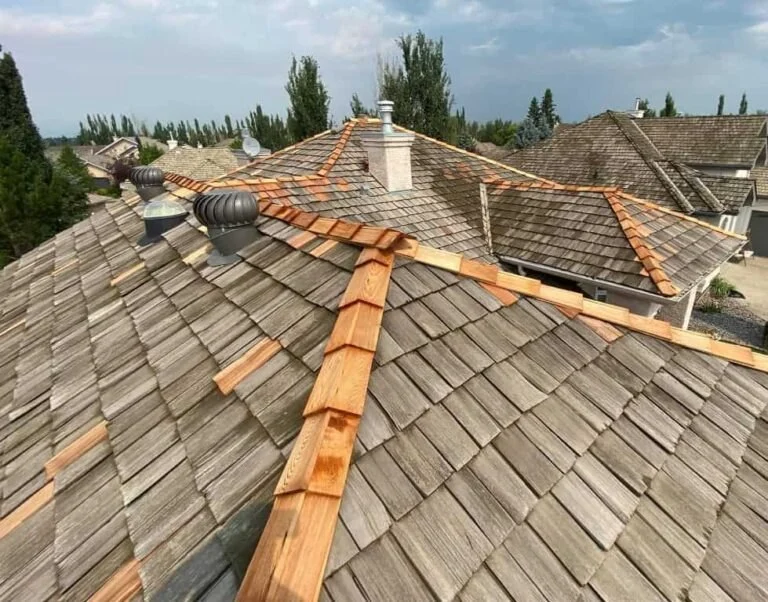
How to Choose Ridge Caps & Hip Roof Components Properly
- 1. Understanding Roof Components
- 2. The Importance of Ridge Caps
- 3. Selecting Hip Roof Components
- 4. Material Considerations for Roof Components
- 5. Installation Tips for Ridge Caps & Hip Roofs
1. Understanding Roof Components
A roof consists of various components, each playing a vital role in its overall functionality and durability. When building or renovating your home, it's important to choose the right roofing elements, including ridge caps and hip roof components. These components not only affect the aesthetic appeal of your roof but also contribute to its weather resistance and longevity.
Understanding the function of each component is essential for selecting the right materials and ensuring the installation process goes smoothly. In this article, we will walk you through the process of choosing ridge caps and hip roof components properly to create a strong, durable, and visually appealing roof.

2. The Importance of Ridge Caps
Ridge caps are the finishing touch of your roof and are designed to protect the ridge—the highest point of your roof—where two slopes meet. Properly installed ridge caps are crucial for maintaining the structural integrity of your roof, preventing leaks, and ensuring the longevity of the materials.
Roof Doctor / roof doctors
KelownaCentral OkanaganBritish Columbia
715 Evans Ct, Kelowna, BC V1X 6G4, Canada
2.1 Function of Ridge Caps
Ridge caps seal the roof at its peak, preventing rainwater from seeping into the home. They also help with ventilation by allowing warm, moist air to escape from the attic, which can prevent issues like mold growth and ice dam formation in colder climates.
2.2 Materials for Ridge Caps
Ridge caps can be made from various materials, including asphalt shingles, metal, and clay. Your choice of material should complement the rest of your roof and suit the climate conditions in your area. Metal ridge caps, for instance, are ideal for high winds and areas with heavy rainfall, while asphalt or clay may be better suited for dry climates.
3. Selecting Hip Roof Components
A hip roof has slopes on all four sides, and hip roof components are essential for ensuring that the roof is both sturdy and aesthetically pleasing. When selecting components for a hip roof, it's important to consider the angle of the slopes, the materials, and the overall design of the home.
3.1 Hip Rafters
Hip rafters are crucial in supporting the slopes of a hip roof. These rafters extend from the ridge to the eaves and provide the necessary support for the roof's structure. Choosing the right size and material for your hip rafters will ensure that the roof is stable and capable of withstanding heavy loads, especially in areas with snow or wind.
3.2 Hip End Cap
The hip end cap covers the end of the hip roof and is important for both aesthetic and functional reasons. It ensures the roof is properly sealed at the edges, preventing water penetration and increasing the roof’s durability. A well-chosen hip end cap will complement the roof's overall design and provide additional weatherproofing.
4. Material Considerations for Roof Components
Choosing the right materials for your ridge caps and hip roof components is crucial for ensuring that the roof is durable, energy-efficient, and capable of withstanding the elements. Let’s look at the common materials used for these roof components.
4.1 Asphalt Shingles
Asphalt shingles are the most common roofing material, known for their affordability and ease of installation. They work well for ridge caps and are available in a wide variety of colors and styles. Asphalt is also a good option for areas that don't experience extreme weather conditions.
4.2 Metal Roofing
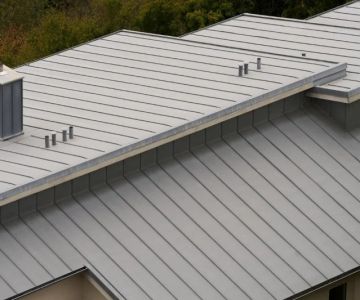
Metal roofing is an excellent choice for both ridge caps and hip roof components due to its durability, weather resistance, and fire resistance. Metal roofs are ideal for regions that experience high winds, heavy snow, or rainfall. They are also energy-efficient, reflecting heat away from the home in the summer.
4.3 Clay and Concrete
Clay and concrete tiles are popular choices for their aesthetic appeal and long lifespan. They are often used for ridge caps and hip roof components in warmer climates. These materials are durable, fire-resistant, and provide excellent insulation.
5. Installation Tips for Ridge Caps & Hip Roofs
Proper installation of ridge caps and hip roof components is essential for their effectiveness. Here are some key tips to ensure a successful installation:
5.1 Hiring a Professional
Roof installation, especially with complex components like hip roofs and ridge caps, requires expertise. It’s important to hire a qualified roofer who understands the materials and techniques required for a durable installation. A professional can also help avoid common mistakes that could result in leaks or structural issues.
5.2 Ensuring Proper Ventilation
Adequate ventilation is critical for maintaining the health of your roof and home. When installing ridge caps, make sure that they allow for proper airflow in the attic. This can help prevent moisture buildup, which could lead to mold, wood rot, or ice dams in colder climates.
5.3 Sealing and Waterproofing
Properly sealing and waterproofing your roof components, including the ridge caps and hip components, is essential to prevent water infiltration. Use high-quality sealants to ensure that all joints are tightly sealed, preventing leaks and water damage.
Whether you are replacing an old roof or building a new one, choosing the right ridge caps and hip roof components is crucial for the longevity and functionality of your roof. If you're in need of high-quality materials or expert roofing services, visit Pickering Roofing to find the best options for your home.

 Highlander Roofing5.0 (12 reviews)
 Lyons Pro Roofing inc5.0 (102 reviews)
 Prime Choice Roofing & Masonry5.0 (4 reviews)
 Bains Roofing4.0 (152 reviews)
 La Fleche Roofing (1992) Ltd5.0 (8 reviews)
 Akron Roofing4.0 (95 reviews)
 How Much Does a New Roof Cost in 2025? Canadian Roofing Price Guide
 Top Signs Your Roof Has a Leak and What to Do About It in Canada
 Can You Install a New Roof Over an Old One in Canada?
 The Top Questions to Ask Before Hiring a Roofer in Canada
 What Are the Most Common Roofing Scams and How to Avoid Them in Canada
 How to Prepare Your Home for a Roofing Project in Canada