
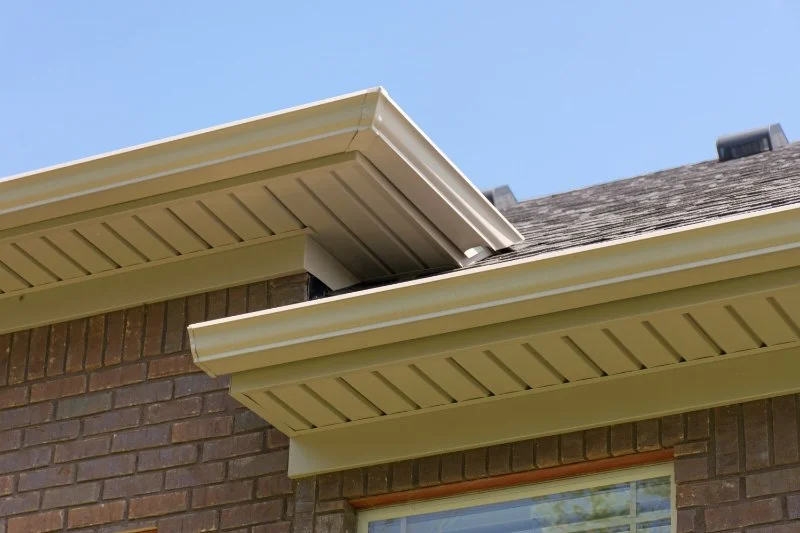
- The Importance of Roof Overhangs for Wall and Foundation Protection
- How Roof Overhangs Help Protect Your Property
- How to Choose the Right Roof Overhang Length
- Key Considerations When Choosing Roof Overhang Length
- Common Roof Overhang Mistakes to Avoid
The Importance of Roof Overhangs for Wall and Foundation Protection
Roof overhangs are a crucial feature in protecting the walls and foundation of a home or commercial building. These extended portions of the roof offer several benefits that not only enhance the aesthetic appeal of a property but also contribute significantly to its longevity and structural integrity. By directing water away from the walls and foundation, roof overhangs prevent moisture buildup that could lead to water damage, erosion, and costly repairs.
Flat Roofs Toronto / flat roof repair toronto
1420 Dupont St, Toronto, ON M6H 0C2, Canada
1. How Roof Overhangs Help Protect Your Property
Roof overhangs are designed to shield the exterior of your building from the elements. Here’s how they contribute to protecting your property:
Vancouver Moss Removal / moss removal north vancouver
VancouverMetro VancouverBritish Columbia
1615 Frances St #105, Vancouver, BC V5L 1Z3, Canada
Preventing Water Damage
Roof overhangs help divert rainwater away from the walls and foundation of your building. Without adequate overhang, rainwater would run down the sides of the building, soaking into the walls and potentially leading to water damage. Overhangs direct this water away from the building, reducing the risk of rot, mold, and mildew buildup.
Shielding the Foundation
Excess moisture can cause the soil around the foundation to shift, leading to foundation cracks and structural issues. Roof overhangs help protect the foundation by preventing water from pooling near the base of the building, ensuring the soil remains stable and preventing expensive repairs down the line.
Improving Energy Efficiency
Roof overhangs also play a role in improving the energy efficiency of your building. By blocking direct sunlight during the summer months, they help keep your property cooler, reducing the need for air conditioning. In winter, the overhang allows sunlight to warm the building, helping to lower heating costs.
2. How to Choose the Right Roof Overhang Length
Choosing the right roof overhang length is crucial for achieving the desired level of protection for your walls and foundation. The ideal length depends on several factors, including climate, architectural design, and the building's location. Here’s a guide to help you determine the right overhang length:
Consider the Climate
In regions with heavy rainfall or snow, longer overhangs are essential for providing adequate protection. A longer overhang helps keep the walls and foundation dry, preventing water from penetrating the building. In drier climates, shorter overhangs may be sufficient, as the primary goal is to keep direct sunlight from overheating the building.
Factor in the Roof Pitch
The pitch of your roof also influences the ideal overhang length. A steeper roof pitch will require a longer overhang to ensure that water flows away from the building. On the other hand, a lower pitch may require a shorter overhang as the water runoff will be less intense.
Architectural Style and Aesthetics
The design of your building plays a significant role in determining the ideal roof overhang length. A more traditional design may call for larger, more decorative overhangs, while modern homes may benefit from shorter, sleeker overhangs. Consider the overall aesthetic of your property when deciding on the size and style of your roof overhang.
3. Key Considerations When Choosing Roof Overhang Length
Several factors must be considered when selecting the ideal roof overhang length to ensure both functionality and aesthetic appeal. Here are the key things to keep in mind:
Water Flow and Drainage
The overhang should extend far enough to prevent water from flowing down the walls or pooling around the foundation. For homes in areas with heavy rainfall, a longer overhang (12 to 24 inches) will ensure water is adequately diverted away from the building. Be sure to plan for proper drainage systems to complement the overhang.
Protection from UV Rays
In sunny regions, a longer overhang can help provide shade to windows and walls, reducing heat buildup inside the building. The ideal length will depend on how much shade you want to provide and the angle of the sun in your area.
Wind Considerations
Wind is an important factor in roof overhang design. In areas with frequent storms or high winds, ensure that the overhang is properly secured and that the length does not exacerbate wind-driven rain issues. Shorter overhangs may be more appropriate in these conditions to avoid wind resistance while still offering some protection for the walls.
4. Common Roof Overhang Mistakes to Avoid
While roof overhangs are an important feature, many people make common mistakes when designing or installing them. Avoid these pitfalls to ensure optimal protection for your walls and foundation:
Overhangs That Are Too Short
If the overhang is too short, it may not provide adequate protection for your walls and foundation. This can lead to water damage, mold growth, and even foundation issues. Make sure the overhang extends far enough to keep water away from the base of your building.
Ignoring Local Building Codes
Before designing your roof overhang, make sure to check local building codes. Some areas have specific requirements for roof overhangs to ensure proper water drainage and structural safety. Ignoring these codes can lead to costly modifications or violations in the future.
Inadequate Support
Roof overhangs must be properly supported to prevent sagging or damage. Ensure that the overhang is securely fastened and adequately supported by the underlying structure, especially in areas with heavy snow or wind loads.
For more information on roof overhangs and to find reliable roofing products and services, visit Pickering Roofing for expert recommendations and solutions tailored to your needs.

 Innovation Roofing ltd5.0 (11 reviews)
 Roy Dennis Roofing4.0 (42 reviews)
 Awash Roofing4.0 (4 reviews)
 Best Quality Roofing Works Inc5.0 (4 reviews)
 Mr. Roofing & Siding5.0 (7 reviews)
 H&R Roofing3.0 (7 reviews)
 How Much Does a New Roof Cost in 2025? Canadian Roofing Price Guide
 Top Signs Your Roof Has a Leak and What to Do About It in Canada
 Can You Install a New Roof Over an Old One in Canada?
 The Top Questions to Ask Before Hiring a Roofer in Canada
 What Are the Most Common Roofing Scams and How to Avoid Them in Canada
 How to Prepare Your Home for a Roofing Project in Canada