
- 1. Understanding the Importance of Underlayment for Cedar and Wood Shake Roofs
- 2. Different Types of Underlayment for Cedar and Wood Shake Roofs
- 3. How to Choose the Right Underlayment for Your Roof
- 4. Key Factors to Consider When Selecting Roof Underlayment
- 5. Real-Life Example: Choosing Underlayment for a Cedar Roof
- 6. Conclusion: Best Practices for Underlayment Selection
1. Understanding the Importance of Underlayment for Cedar and Wood Shake Roofs
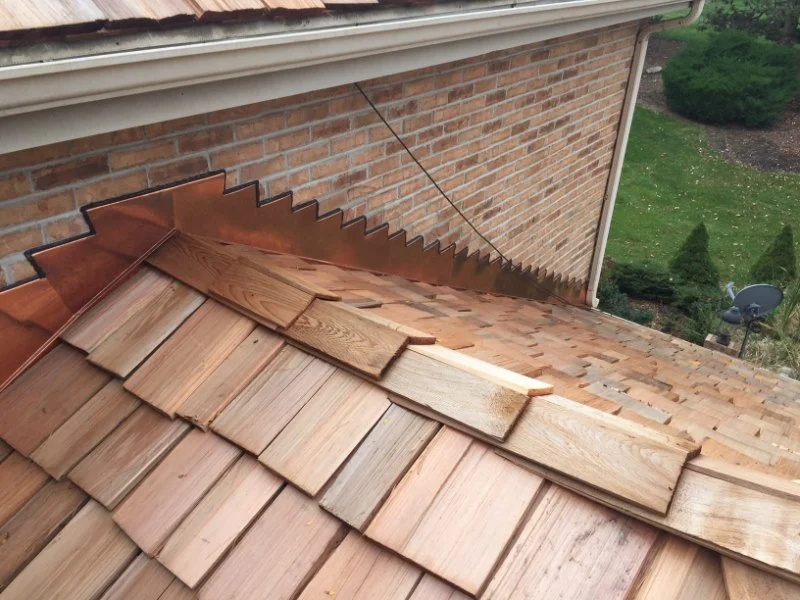
Underlayment is a crucial component in roofing, especially for cedar and wood shake roofs. This protective layer acts as a barrier between the shingles and the roof deck, providing additional protection against water infiltration, temperature fluctuations, and moisture damage. When it comes to natural materials like cedar and wood shakes, underlayment plays an even more critical role, as these materials are more susceptible to moisture and decay.
Choosing the right underlayment for your cedar or wood shake roof can significantly affect the longevity and performance of your roof. In this article, we’ll explore the various underlayment options, key factors to consider, and how to choose the best option for your specific roofing needs.
Lansard Bros Roofing Ltd / lansard roofing
50 Don Valley Pkwy, Sunnyside, MB R5R 0C9, Canada
2. Different Types of Underlayment for Cedar and Wood Shake Roofs
There are several types of underlayment available for cedar and wood shake roofs, each offering different benefits. Below are the most common underlayment options to consider:
Toiture TNT / Gatineau Outaouais / avis sur toiture tnt / gatineau outaouais
1700 Rue Schryer, Gatineau, QC J8R 1S2, Canada
2.1. Felt Underlayment
Felt underlayment has been a traditional choice for many years. It is made of asphalt-saturated felt that provides a solid layer of protection against moisture. Felt is relatively inexpensive and easy to install, but it is less durable than other options, especially in wet or humid climates.
2.2. Synthetic Underlayment
Synthetic underlayment is made from advanced materials like polypropylene or polyethylene, offering superior durability and resistance to water. Unlike felt, synthetic underlayment is lighter, stronger, and less prone to tearing. It also provides better UV protection, which can extend the life of your roof.
2.3. Rubberized Asphalt Underlayment
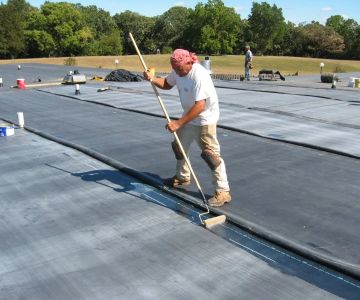
Rubberized asphalt underlayment is one of the most durable options available. It is designed to provide superior waterproofing, making it an excellent choice for regions with heavy rainfall or snow. This type of underlayment also offers excellent adhesive properties, ensuring it sticks securely to the roof deck.
2.4. Peel-and-Stick Underlayment
Peel-and-stick underlayment is a self-adhesive option that is easy to install. It creates a waterproof seal between the roof deck and shingles, making it ideal for areas with high moisture exposure. It’s a bit more expensive than felt and synthetic options but provides superior protection against leaks.
3. How to Choose the Right Underlayment for Your Roof
Choosing the right underlayment for your cedar or wood shake roof depends on various factors, including your location, budget, and the climate. Here are some guidelines to help you make the best decision:
3.1. Consider the Climate
The climate in your area plays a significant role in the type of underlayment you choose. If you live in an area with heavy rain, snow, or high humidity, rubberized asphalt or peel-and-stick underlayment might be the best option due to their superior waterproofing capabilities. For drier climates, synthetic underlayment can provide sufficient protection at a lower cost.
3.2. Durability and Lifespan
If you’re looking for a long-term investment, synthetic or rubberized asphalt underlayment is ideal. These materials offer better resistance to tearing, UV rays, and moisture, ensuring your roof remains protected for years to come. Felt underlayment, while cheaper, may need to be replaced sooner due to its susceptibility to damage over time.
3.3. Budget Considerations
While synthetic and rubberized asphalt underlayment offer superior performance, they come at a higher cost. If you’re on a tight budget, felt underlayment is a more affordable option, but keep in mind that it may not provide the same level of protection or longevity as the other materials.
4. Key Factors to Consider When Selecting Roof Underlayment
When selecting underlayment for your cedar or wood shake roof, consider the following factors:
4.1. Waterproofing and Moisture Resistance
One of the primary functions of underlayment is to act as a moisture barrier. Look for options with high water resistance, especially if you live in an area prone to heavy rainfall or snowfall. Rubberized asphalt and peel-and-stick underlayment are excellent choices for superior moisture protection.
4.2. Installation Process
Some underlayment options are easier to install than others. For instance, peel-and-stick underlayment is self-adhesive, making installation faster and simpler. If you’re planning to install the underlayment yourself, consider the ease of installation, especially if you're working with cedar or wood shakes, which require additional care during installation.
4.3. UV Protection
Exposure to UV rays can degrade the underlayment and shorten the life of your roof. Synthetic and rubberized asphalt underlayments often provide UV protection, extending the lifespan of your roof and reducing the risk of damage caused by prolonged sun exposure.
5. Real-Life Example: Choosing Underlayment for a Cedar Roof
Let’s consider the case of a homeowner in Vancouver, BC, who wanted to replace the roof on their cedar shake house. Given the high rainfall in the area, the homeowner chose to use synthetic underlayment. The synthetic material provided excellent protection against water infiltration while being lightweight and easy to install. This choice extended the lifespan of the roof and kept maintenance costs low over time.
This example shows how choosing the right underlayment for your climate and needs can have a significant impact on the durability and functionality of your roof.
6. Conclusion: Best Practices for Underlayment Selection
Choosing the right underlayment for cedar or wood shake roofs is essential to ensuring long-lasting protection and performance. Consider the climate, durability, installation process, and UV protection when making your decision. While synthetic and rubberized asphalt underlayments are more expensive, they offer superior protection and longevity, making them ideal for most homeowners. However, if you're on a budget, felt underlayment can still provide adequate protection for areas with less severe weather conditions.
For expert advice on underlayment options and roof installation, visit Pickering Roofing for the best products and services to suit your needs.
 Couvreur La Releve5.0 (1 reviews)
 Proof Roofing5.0 (47 reviews)
 Walker Sheet Metal & Roofing Ltd0.0 (0 reviews)
 Toiture et Rénovation Québec Inc3.0 (2 reviews)
 Heritage Roofing4.0 (4 reviews)
 Alba Roofing4.0 (11 reviews)
 How Much Does a New Roof Cost in 2025? Canadian Roofing Price Guide
 Top Signs Your Roof Has a Leak and What to Do About It in Canada
 Can You Install a New Roof Over an Old One in Canada?
 The Top Questions to Ask Before Hiring a Roofer in Canada
 What Are the Most Common Roofing Scams and How to Avoid Them in Canada
 How to Prepare Your Home for a Roofing Project in Canada