
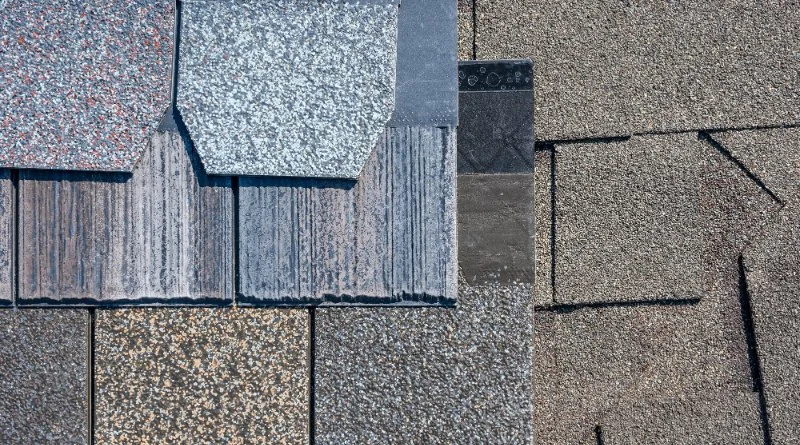
- 1. Introduction to Modern Roofing Materials
- 2. The Latest Roofing Trends
- 3. Innovative Roofing Materials You Should Know
- 4. Sustainable Roofing Materials
- 5. Advanced Roofing Technologies
1. Introduction to Modern Roofing Materials
The roofing industry has come a long way in recent years, with innovations that cater to sustainability, energy efficiency, and durability. Homeowners and businesses alike are looking for roofing solutions that not only perform well but also look stylish and last longer. In this article, we will explore some of the most innovative roofing materials that are transforming the industry.
From traditional asphalt shingles to cutting-edge eco-friendly materials, modern roofing options are designed to provide superior protection while reducing environmental impact. These materials also offer improved insulation, resistance to extreme weather, and better energy efficiency. Let’s dive into the latest roofing trends and materials you might not have heard of yet.
Toitures Garant et Frères Inc / toiture garant
LévisChaudière-AppalachesQuébec
6615 Rue Alfred-Pellan, Lévis, QC G6V 9S9, Canada
2. The Latest Roofing Trends
As sustainability becomes a top priority, roofing materials have evolved to meet these demands. Homeowners are increasingly opting for materials that not only improve the aesthetics of their homes but also offer long-term benefits such as energy efficiency and durability. Some of the latest trends include:

Custom Contracting Roofing & Eavestrough Repair Waterloo / eavestrough repair waterloo
WaterlooWaterloo Regional MunicipalityOntario
165 Margaret Ave S, Waterloo, ON N2J 2E3, Canada
2.1 Cool Roofs
Cool roofs are designed to reflect more sunlight and absorb less heat than traditional roofing materials. By reducing the amount of heat absorbed by a roof, cool roofs help keep homes cooler, especially in hot climates, which reduces the need for air conditioning and lowers energy costs.
2.2 Green Roofing
Green roofs, also known as living roofs, are an environmentally friendly option that involves growing vegetation on the roof surface. They provide insulation, reduce stormwater runoff, and improve air quality. Green roofs are particularly popular in urban areas where they contribute to biodiversity and offer a unique aesthetic appeal.
2.3 Solar Roofs
Solar roofing integrates photovoltaic panels into the roofing material itself. This cutting-edge technology allows homeowners to generate electricity directly from their roofs, providing an eco-friendly and cost-effective way to power homes. Solar roofs have gained popularity as the cost of solar technology continues to decrease.
3. Innovative Roofing Materials You Should Know
While traditional roofing materials like asphalt shingles remain popular, innovative materials are gaining traction in the market. These options provide homeowners with increased durability, sustainability, and energy efficiency. Here are a few you should know about:
3.1 Synthetic Slate
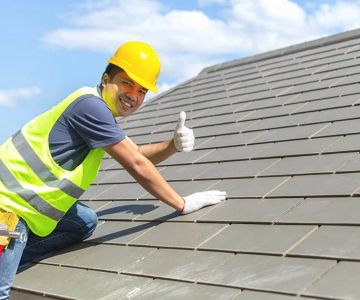
Synthetic slate is a lightweight, durable alternative to natural slate roofing. Made from a combination of rubber, plastic, and other materials, synthetic slate mimics the look of traditional slate but is much easier to install and maintain. It’s an excellent option for those seeking the classic aesthetic of slate without the high cost and weight.
3.2 Metal Roofing
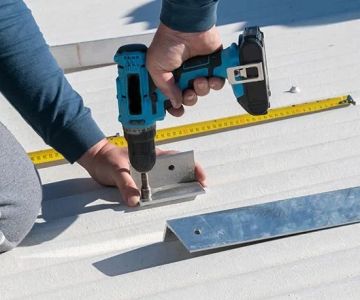
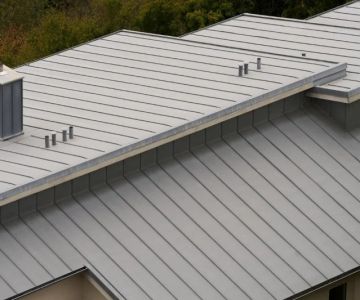
Metal roofing has been around for a while, but innovations in metal roofing materials have made them even more appealing. Modern metal roofs are energy-efficient, long-lasting, and come in a variety of styles and colors. Whether made from aluminum, steel, or copper, metal roofing is an excellent choice for durability and protection against harsh weather.
3.3 TPO (Thermoplastic Olefin) Roofing
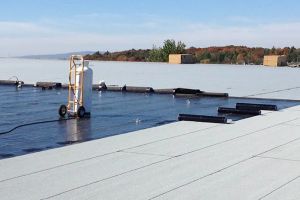
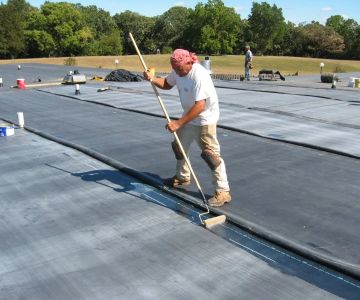
TPO roofing is a highly reflective, energy-efficient roofing material used primarily for commercial buildings. TPO offers excellent resistance to UV rays, punctures, and chemicals, making it a great choice for flat roofs. Its reflective properties help reduce energy costs by keeping buildings cooler.
3.4 Rubber Roofing
Rubber roofing is made from recycled materials and offers superior waterproofing and durability. It is particularly ideal for flat roofs and is resistant to extreme weather conditions. Rubber roofing materials can be molded to fit the shape of the roof, making it a versatile and eco-friendly option.
4. Sustainable Roofing Materials
Sustainability is becoming increasingly important in the roofing industry, with homeowners and businesses alike looking for materials that minimize environmental impact. Here are some sustainable roofing options that offer eco-friendly benefits without sacrificing performance:
4.1 Solar Tiles
Solar tiles are a revolutionary roofing material that integrates solar power generation into the structure of your roof. Unlike traditional solar panels, which are installed on top of the roof, solar tiles are integrated into the roof itself, providing a seamless look and generating clean energy without the need for additional space.
4.2 Recycled Roofing Materials
Many roofing manufacturers now offer recycled options, including recycled rubber, plastic, and metal roofing materials. These materials are often made from post-consumer waste and offer a sustainable option for homeowners looking to reduce their carbon footprint. They are durable, eco-friendly, and help divert waste from landfills.
4.3 Bamboo Roofing
Bamboo is a fast-growing, sustainable material that is becoming increasingly popular in eco-friendly construction projects. Bamboo roofing is durable, lightweight, and has a low environmental impact. It is an excellent option for homeowners looking for a natural, renewable roofing material that also looks unique.
5. Advanced Roofing Technologies
In addition to innovative materials, advanced roofing technologies are transforming the way roofs are designed and installed. These technologies offer increased energy efficiency, better protection, and longer lifespans. Some notable advancements include:
5.1 Smart Roofs
Smart roofs are equipped with sensors and other technology that allow homeowners to monitor their roofs’ condition in real time. These sensors can detect leaks, temperature changes, and other potential issues, alerting homeowners to problems before they become serious. Smart roofs also have the potential to improve energy efficiency by adjusting the roof’s performance based on weather conditions.
5.2 Roof Coatings
Roof coatings, like elastomeric coatings, are applied to the surface of the roof to provide additional protection against UV rays, water, and other elements. These coatings can improve the roof’s lifespan, reduce energy costs, and offer enhanced waterproofing. Roof coatings are particularly useful for flat or low-slope roofs.
5.3 Cool Roof Technology
Cool roof technology is designed to reflect more sunlight and absorb less heat than traditional roofing materials. This reduces the amount of heat absorbed by the roof, which helps keep homes cooler, reduces air conditioning costs, and lowers energy bills. Cool roofs are particularly effective in hot climates.
If you're considering a new roof, it's important to choose materials that not only look great but also improve your home’s energy efficiency and longevity. For more information on innovative roofing materials and professional installation, visit 【Pickering Roofing】 for expert advice and services tailored to your needs.
 Dawson and Sons Roofing5.0 (22 reviews)
 GPD Flatroofing Ltd.5.0 (9 reviews)
 Ontario Tech Roofing INC. | Oakville4.0 (67 reviews)
 Roof Dog Roofing5.0 (7 reviews)
 The Roof Whisperer of Kitchener - Roof Repair & Skylight Contractor5.0 (27 reviews)
 547 Renovations Roofing Specialists4.0 (89 reviews)
 How Much Does a New Roof Cost in 2025? Canadian Roofing Price Guide
 Top Signs Your Roof Has a Leak and What to Do About It in Canada
 Can You Install a New Roof Over an Old One in Canada?
 The Top Questions to Ask Before Hiring a Roofer in Canada
 What Are the Most Common Roofing Scams and How to Avoid Them in Canada
 How to Prepare Your Home for a Roofing Project in Canada