
- 1. Why Low Slope Roofing Membranes Are Important
- 2. Overview of EPDM Roofing
- 3. Overview of TPO Roofing
- 4. Overview of PVC Roofing
- 5. Choosing the Right Low Slope Roofing Membrane
1. Why Low Slope Roofing Membranes Are Important
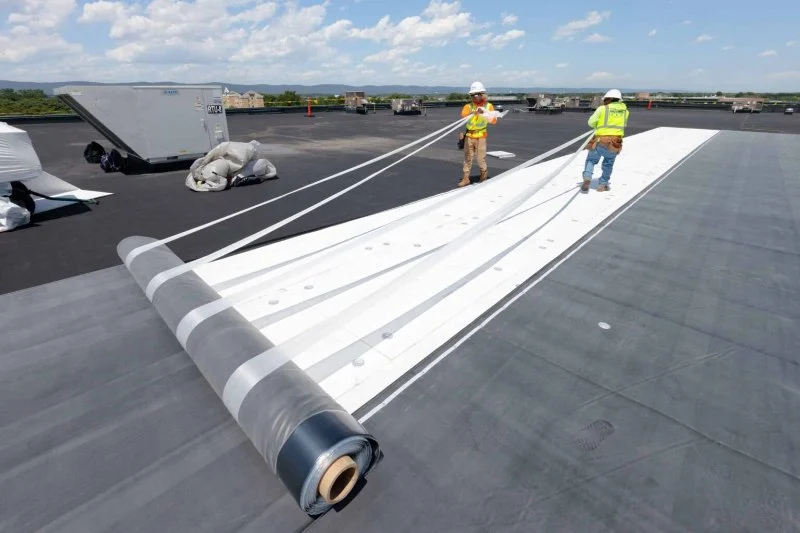
Low slope roofs, also known as flat roofs, are commonly found on commercial buildings, modern homes, and some industrial structures. These types of roofs require specialized materials to ensure proper drainage and longevity. Without the correct roofing membrane, water can pool on the roof, leading to leaks, mold, and costly damage. Choosing the right low slope roofing membrane is essential for protecting your property and extending the life of the roof.
Low slope roofing membranes come in various materials, but the three most popular options are EPDM (Ethylene Propylene Diene Monomer), TPO (Thermoplastic Olefin), and PVC (Polyvinyl Chloride). Each of these materials offers distinct advantages, and understanding their features will help you make the best choice for your building.
XACT Roof & Renovation Ltd. / xact roofing
227 Regent Ave W, Winnipeg, MB R2C 1R3, Canada
2. Overview of EPDM Roofing
EPDM is one of the most common and trusted roofing materials for low slope roofs. It is a synthetic rubber membrane known for its durability, flexibility, and weather resistance. EPDM is often chosen for its long lifespan and cost-effectiveness, making it a popular choice for both commercial and residential buildings.
Marlad Roofing & Siding Inc / marlad
BramptonRegional Municipality of PeelOntario
30 Hale Rd Unit 14, Brampton, ON L6W 4N9, Canada
Benefits of EPDM Roofing
- Durability: EPDM roofs can last 30 years or more with proper maintenance, offering excellent resistance to UV rays, ozone, and extreme temperatures.
- Low Maintenance: EPDM requires minimal maintenance, with occasional cleaning and inspections.
- Cost-Effective: Compared to other roofing membranes, EPDM is one of the most affordable options, making it ideal for budget-conscious projects.
Drawbacks of EPDM Roofing
- Vulnerability to Punctures: While durable, EPDM can be vulnerable to punctures from sharp objects or falling debris.
- Appearance: EPDM roofs are typically black, which can absorb heat and may not always suit all aesthetic preferences.
3. Overview of TPO Roofing
TPO roofing is another popular choice for low slope roofs. It is a single-ply membrane made from a blend of polypropylene and ethylene-propylene rubber. TPO roofing is known for its energy efficiency and heat-reflective properties, making it an excellent choice for buildings in warmer climates.
Benefits of TPO Roofing
- Energy Efficiency: TPO roofing reflects sunlight, reducing cooling costs by minimizing heat absorption.
- Seam Strength: TPO is welded at the seams, creating a strong bond that prevents water infiltration.
- Environmentally Friendly: TPO is often made from recyclable materials, making it a more eco-friendly option compared to other roofing membranes.
Drawbacks of TPO Roofing
- Durability Issues: While TPO has some benefits, its long-term durability is still debated. It may be prone to degradation from UV exposure over time.
- Cost: TPO roofing can be more expensive than EPDM, especially with premium grades of material.
4. Overview of PVC Roofing
PVC roofing is a highly durable, single-ply membrane made from polyvinyl chloride. Known for its strength, UV resistance, and ability to withstand harsh weather conditions, PVC is a top choice for commercial buildings and large properties. It offers superior protection against water, chemicals, and fire, making it ideal for areas with extreme weather or industrial settings.
Benefits of PVC Roofing
- Exceptional Durability: PVC roofs are highly resistant to tearing, punctures, and chemical exposure, making them long-lasting and low-maintenance.
- Fire Resistance: PVC membranes are naturally fire-resistant, providing additional safety for buildings.
- Superior Waterproofing: PVC is known for its excellent waterproofing properties, making it perfect for areas prone to heavy rain or snow.
Drawbacks of PVC Roofing
- Higher Initial Cost: PVC roofing is one of the more expensive options, which may not be ideal for budget-conscious projects.
- Environmental Concerns: While durable, PVC is a synthetic material that may not be as environmentally friendly as other options, such as TPO.
5. Choosing the Right Low Slope Roofing Membrane
When choosing between EPDM, TPO, and PVC roofing membranes, it’s important to consider several factors based on your specific needs. Each material has its own unique set of advantages and drawbacks, and the best choice depends on your building's location, climate, budget, and intended use.
1. Consider Your Climate
For colder climates, EPDM may be the best choice due to its excellent resistance to low temperatures and UV rays. However, for buildings in hotter areas, TPO and PVC are excellent options as they reflect sunlight, reducing heat absorption and lowering cooling costs.
2. Budget Considerations
If you’re working with a tight budget, EPDM offers a cost-effective option without compromising on durability. However, if you have a larger budget and need superior performance, PVC might be the better long-term investment due to its resistance to fire and harsh chemicals.
3. Long-Term Maintenance
EPDM requires minimal maintenance and has a long lifespan, making it an excellent choice for those seeking low-maintenance roofing. TPO and PVC may require more frequent inspections and maintenance but offer better energy efficiency and environmental benefits.
For expert advice on choosing the best low slope roofing membrane or to find trusted roofing contractors, visit Pickering Roofing for the best products and services tailored to your needs.
 Living My Dream Roofing4.0 (21 reviews)
 Amex Quality Roofing in North Vancouver3.0 (33 reviews)
 Legendary Exteriors4.0 (17 reviews)
 Bricor Roofing5.0 (32 reviews)
 Rocon Construction5.0 (4 reviews)
 Findlay Roofing Inc4.0 (27 reviews)
 How Much Does a New Roof Cost in 2025? Canadian Roofing Price Guide
 Top Signs Your Roof Has a Leak and What to Do About It in Canada
 Can You Install a New Roof Over an Old One in Canada?
 The Top Questions to Ask Before Hiring a Roofer in Canada
 What Are the Most Common Roofing Scams and How to Avoid Them in Canada
 How to Prepare Your Home for a Roofing Project in Canada