
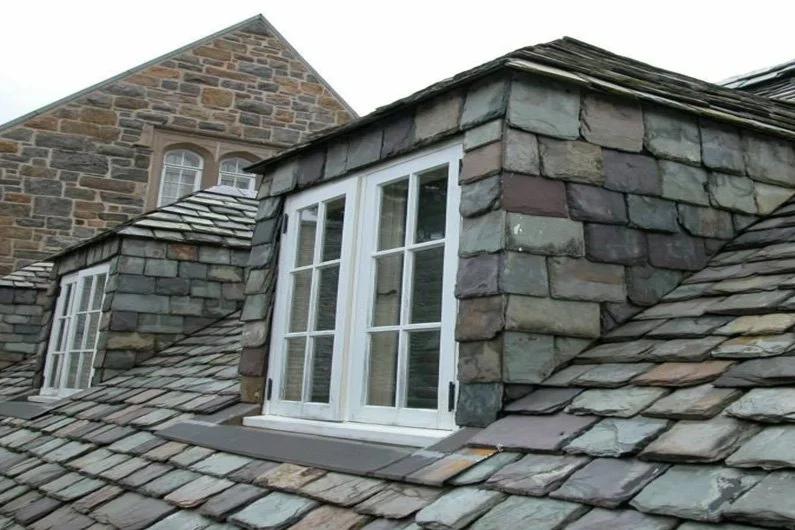
Why Roof Restoration is Important for Historic Roofs
Restoring historic roofs is essential for preserving the architectural integrity of older buildings. Many historic roofs, such as slate, shake, and tile, are not only beautiful but also highly functional. Over time, however, these materials can become damaged by weather, age, and general wear and tear. Roof restoration helps maintain the roof's aesthetic value while also protecting the structure underneath from water damage, mold, and other structural issues.
In Canada, where harsh winters and varying climates can significantly affect roof conditions, proper roof restoration is crucial. Restoring a historic roof with the right materials and techniques ensures that the building remains safe and aesthetically pleasing for years to come. Whether you’re dealing with a centuries-old stone house or a more recent historical building, taking the time to restore the roof can enhance both its durability and its value.
Edmonton Roofing Company / replace roof edmonton
8023 182 St NW, Edmonton, AB T5T 0T6, Canada
Slate Roof Repair Tips
Slate roofs are renowned for their elegance, durability, and longevity. However, over time, even the most resilient slate tiles can crack, chip, or loosen. Here are a few essential tips for repairing and restoring slate roofs:
- Identify the Damage: Start by thoroughly inspecting the slate roof. Look for broken or missing tiles and any signs of moisture damage beneath the slates. Use a ladder and a flashlight to check the roof carefully.
- Replace Damaged Slates: When replacing broken slates, it’s important to match the new ones with the existing tiles as closely as possible. Use copper nails to secure the new tiles in place and avoid damaging the surrounding slates.
- Repointing the Chimney or Valleys: Over time, the mortar around chimneys and roof valleys may degrade. Repointing the mortar can help prevent leaks and ensure water runs off the roof efficiently.
Slate roofs can last for several decades if properly maintained. Regular inspection, cleaning, and timely repairs can significantly extend their life. It’s recommended to hire a professional roofer with experience in slate roof restoration to avoid any damage during repairs.
Marlad Roofing & Siding Inc / marlad
BramptonRegional Municipality of PeelOntario
30 Hale Rd Unit 14, Brampton, ON L6W 4N9, Canada
Shake Roof Repair Tips
Shake roofs, typically made of wood, offer a rustic aesthetic but are susceptible to moisture damage, rot, and pests. Repairing and restoring a shake roof requires careful attention to detail. Here’s how you can maintain or repair a shake roof:
- Check for Rot and Pests: Inspect the wood shakes for any signs of rot or pest infestations, such as termites or carpenter ants. If you find any damaged shakes, remove and replace them immediately to prevent further spread.
- Seal Cracks: Small cracks in the shakes can be sealed using specialized wood sealants that prevent moisture from entering. Be sure to choose a sealant that allows the wood to breathe and won’t trap moisture.
- Replace Missing or Damaged Shakes: If shakes are broken or missing, replace them with new, treated wood shakes. Install them using galvanized nails to avoid rusting.
To keep your shake roof in good condition, regular maintenance is necessary. Clean the roof annually, and consider treating it with a wood preservative to protect it from the elements and extend its lifespan.
Tile Roof Repair Tips
Tile roofs, often made from clay or concrete, are known for their robustness and fire-resistant properties. However, like other roofing materials, tile roofs can crack or shift over time. Here are some tips for repairing and restoring tile roofs:
- Inspect for Cracks and Shifting Tiles: Tiles may become cracked or shifted due to harsh weather conditions or general wear. Start by inspecting the roof for any loose or damaged tiles and mark them for replacement.
- Replace Broken Tiles: When replacing cracked or damaged tiles, it’s important to use tiles that match the original ones. For best results, hire a professional roofer who can safely remove and replace tiles without causing damage to the surrounding area.
- Check Flashing: The flashing around chimneys, vents, and valleys is critical for preventing leaks. Over time, flashing can wear out and allow water to penetrate the roof. Replacing damaged flashing is essential for maintaining a watertight seal.
Tile roofs are relatively low-maintenance but do require occasional repairs. Regular inspections and prompt repairs can ensure your tile roof remains functional and aesthetically appealing.
Common Challenges in Historic Roof Restoration
Restoring historic roofs can be a rewarding but challenging task. Some of the most common challenges include:
- Matching Materials: Finding materials that match the original roofing materials can be difficult, especially for historic slate, shake, or tile roofs. It’s essential to source authentic materials or high-quality replicas to maintain the roof’s original look.
- Structural Damage: Over time, the roof structure may degrade, leading to issues such as sagging or instability. It’s crucial to address any underlying structural damage before restoring the roof itself.
- Weather Conditions: Weather can interfere with the restoration process, particularly in Canada, where harsh winters and unpredictable weather can delay projects or cause damage to unfinished work.
Hiring experienced professionals who specialize in historic roof restoration can help overcome these challenges and ensure the roof is restored properly.
Real-World Restoration Examples
In Toronto, a historic building with a slate roof suffered from decades of wear and tear, including several cracked and missing slates. The restoration team replaced the damaged slates, resealed the roof, and repointed the chimneys, restoring the building’s appearance and preventing further water damage.
Another example comes from a heritage home in Vancouver, where the wood shake roof had become infested with pests and deteriorated due to moisture. The restoration team replaced the shakes with treated wood, ensuring better protection against the elements and pests. The home’s value and curb appeal increased significantly after the restoration.
How to Maintain Your Restored Roof
After restoring a historic roof, proper maintenance is key to ensuring its longevity. Here are some tips for keeping your roof in top condition:
- Regular Inspections: Inspect your roof at least once a year to catch any potential issues early. Check for cracked tiles, loose slates, or damaged shakes, and repair them immediately.
- Clean Your Roof: Keep the roof free from debris such as leaves and moss, which can trap moisture and cause damage over time.
- Address Leaks Promptly: If you notice any leaks, address them immediately to prevent water damage to the structure.
With regular care, a restored historic roof can last for many years, providing both protection and aesthetic value to your home.
If you're looking for expert advice or quality restoration services for your historic roof, visit Pickering Roofing for the best roofing solutions. Our team can help you restore your roof to its original beauty while ensuring it remains durable and functional.

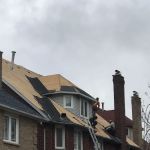 Built Roof4.0 (5 reviews)
 McCarthy's Roofing3.0 (33 reviews)
 Green Roofing Solutions0.0 (0 reviews)
 Toiture Innovatoit4.0 (4 reviews)
 Gold Standard Exteriors - Orangeville, Caledon and Mono Roofing, Eavestrough and Siding4.0 (22 reviews)
 Roof and roll5.0 (7 reviews)
 How Much Does a New Roof Cost in 2025? Canadian Roofing Price Guide
 Top Signs Your Roof Has a Leak and What to Do About It in Canada
 Can You Install a New Roof Over an Old One in Canada?
 The Top Questions to Ask Before Hiring a Roofer in Canada
 What Are the Most Common Roofing Scams and How to Avoid Them in Canada
 How to Prepare Your Home for a Roofing Project in Canada