
Roof Algae and Moss: Causes, Prevention, and Removal
- 1-Roof Algae and Moss: Causes, Prevention, and Removal
- 2-Understanding Algae and Moss Growth on Roofs
- 3-Common Causes of Roof Algae and Moss
- 4-How to Prevent Roof Algae and Moss
- 5-How to Remove Roof Algae and Moss
- 6-When to Call a Professional
1. Roof Algae and Moss: Causes, Prevention, and Removal
Roof algae and moss are common problems for homeowners, particularly in areas with high humidity and moisture. While these growths might seem harmless at first, they can lead to significant damage over time if not properly managed. In this article, we will explore the causes of roof algae and moss, how to prevent them, and methods for effective removal. Understanding these factors will help you protect the integrity of your roof and prolong its lifespan.
Flynn Canada Ltd. - Toronto / flynn mississauga
MississaugaRegional Municipality of PeelOntario
6435 Northwest Dr, Mississauga, ON L4V 1X1, Canada
2. Understanding Algae and Moss Growth on Roofs
Algae and moss are two of the most common types of growth that can develop on your roof. While they may seem similar, they are different in structure and behavior. Algae are microscopic organisms that thrive in warm, moist environments, while moss is a plant that grows in clumps and can trap moisture. Both of these growths can cause damage to your roof’s surface if left untreated.
Ottawa Eavestrough Group / eavestrough repair ottawa
340 Albert St, Ottawa, ON K1R 7Y6, Canada
Algae on Roofs
Roof algae typically appear as dark streaks, often greenish or black, along the roof’s surface. The most common algae species that affect roofs is Gloeocapsa magma, which thrives on the moisture present on your roof. Algae feed off the minerals in roofing materials, leading to staining and gradual decay of the surface.
Moss on Roofs
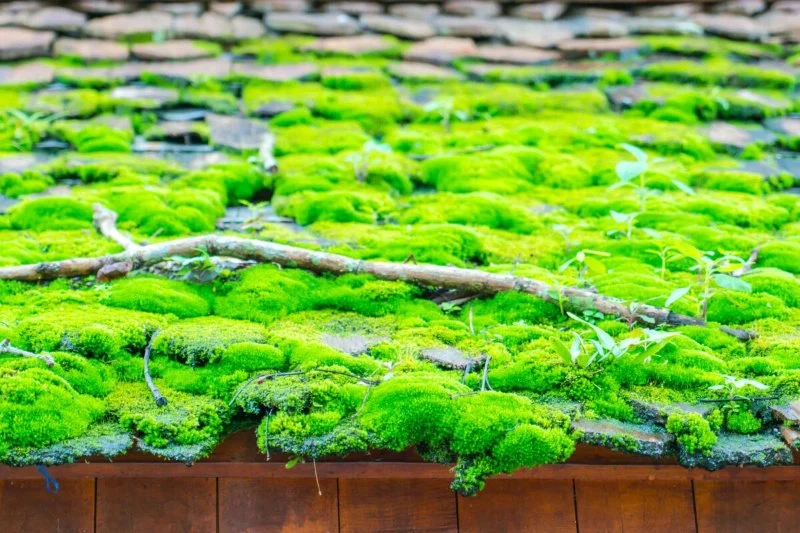
Moss tends to grow in shaded, damp areas on your roof, particularly in regions that experience frequent rainfall. Unlike algae, moss can develop into larger patches and even form dense mats that retain moisture. This can lead to the deterioration of shingles and promote the growth of other harmful organisms like mold or fungi.
3. Common Causes of Roof Algae and Moss
There are several factors that contribute to the growth of algae and moss on your roof. Understanding these causes can help you take the necessary steps to prevent or address them early on.
1. Moisture and Humidity
Both algae and moss thrive in environments with excess moisture and humidity. Areas with frequent rain, fog, or high humidity are more prone to roof growths. The moisture allows these organisms to establish and spread across your roof, especially if your roof has poor drainage or is shaded for long periods of time.
2. Poor Roof Ventilation
Inadequate ventilation can trap heat and moisture in your attic, which increases the chances of algae and moss growth. When your roof’s underside remains consistently damp, it creates the perfect breeding ground for these organisms.
3. Shade from Trees
Trees and overhanging branches that cast shade on your roof can contribute to moss and algae growth. Shade prevents the roof from drying out after rain or morning dew, leading to prolonged dampness that encourages the growth of these organisms.
4. Older Roofing Materials
Older roofing materials are more susceptible to damage and decay, making them easier for algae and moss to take hold. Additionally, some older shingles contain materials that are more vulnerable to the growth of algae, which can exacerbate the problem.
4. How to Prevent Roof Algae and Moss
Prevention is key when it comes to roof algae and moss. Implementing certain measures can help keep your roof clean and in good condition for years to come. Here are some effective strategies for preventing roof growths:
1. Improve Roof Ventilation
Proper ventilation is essential to prevent moisture buildup in your attic. Ensure that your attic has adequate airflow by installing ridge vents, soffit vents, and gable vents. Proper ventilation will help reduce the humidity levels in your attic and discourage the growth of algae and moss.
2. Trim Trees and Remove Debris
Trimming overhanging branches can help improve sunlight exposure on your roof, which can dry out moisture and reduce the conditions for moss and algae growth. Additionally, removing debris such as leaves and branches from your roof will prevent organic material from accumulating and providing nutrients for moss and algae.
3. Use Algae-Resistant Roofing Materials
When installing a new roof, consider using algae-resistant shingles. These shingles are designed with special coatings or treatments to prevent algae from taking root. While they may cost a little more upfront, they can save you money in the long term by reducing the need for frequent cleaning or maintenance.
4. Install Copper or Zinc Strips
Copper or zinc strips can be installed along the ridge of your roof to prevent algae and moss growth. These metals release ions when exposed to rain, which prevent the growth of algae and moss. This is a highly effective and low-maintenance solution to keep your roof clean.
5. How to Remove Roof Algae and Moss
If algae or moss has already started to grow on your roof, it’s important to remove it as soon as possible to prevent further damage. Here’s how to safely and effectively remove roof algae and moss:
1. Use a Roof Cleaner
Commercial roof cleaners are available that can safely remove algae and moss from your roof without causing damage to the shingles. These cleaners contain ingredients that break down the algae or moss and help remove stains. Always follow the manufacturer’s instructions when using these products.
2. Manual Removal
For small patches of moss, you can manually remove it using a soft brush or a moss scraper. Be gentle to avoid damaging the shingles. Once removed, clean the area with a roof cleaner to remove any remaining debris.
3. Pressure Washing (with Caution)
Pressure washing can be effective in removing moss, but it should be done with caution. High-pressure water can damage shingles and loosen granules, so it’s important to use a low-pressure setting and avoid spraying directly on the roof’s surface.
6. When to Call a Professional
While DIY methods can help with minor algae and moss issues, larger infestations or roof damage require professional intervention. If you’re unsure about tackling the problem yourself or if you have extensive growth, it’s best to call a professional roofer. They have the tools and expertise to safely remove algae and moss without damaging your roof.
For professional roofing services and advice on dealing with roof algae and moss, visit Pickering Roofing to find the right solutions for your home.
 AMJ Exteriors5.0 (13 reviews)
 H&Y Roofing and Contracting Inc.5.0 (5 reviews)
 Perfect Choice Roofing & Eavestrough5.0 (66 reviews)
 Toitures Bernier et Fils5.0 (1 reviews)
 Upward Roofing AB.Commercial & leak repairs LTD5.0 (4 reviews)
 Paragon Roofing BC4.0 (99 reviews)
 How Much Does a New Roof Cost in 2025? Canadian Roofing Price Guide
 Top Signs Your Roof Has a Leak and What to Do About It in Canada
 Can You Install a New Roof Over an Old One in Canada?
 The Top Questions to Ask Before Hiring a Roofer in Canada
 What Are the Most Common Roofing Scams and How to Avoid Them in Canada
 How to Prepare Your Home for a Roofing Project in Canada