
Roof Attic Ventilation Upgrades You Might Not Realize You Need
- 1-Why Attic Ventilation Matters
- 2-Common Problems Caused by Poor Attic Ventilation
- 3-Effective Roof Attic Ventilation Upgrades
- 4-Choosing the Right Materials for Optimal Ventilation
- 5-Maintenance Tips for Long-Lasting Ventilation
Many homeowners overlook the importance of proper attic ventilation. However, a well-ventilated attic is crucial for maintaining a comfortable indoor climate, preventing moisture buildup, and enhancing energy efficiency. Over time, roofing materials and venting systems can wear out or become ineffective, leading to a range of issues. Here’s why upgrading your attic ventilation can save you money in the long run and improve the overall health of your home.
Lam Metal / lam metals
BurnabyMetro VancouverBritish Columbia
6962 Buller Ave, Burnaby, BC V5J 4V4, Canada
2-Common Problems Caused by Poor Attic Ventilation
Attic ventilation is vital in preventing heat and moisture buildup, which can lead to significant damage. Here are some common problems homeowners face due to inadequate ventilation:
- Heat Buildup: Without proper airflow, your attic can trap heat, leading to higher cooling costs during the summer and potential damage to roofing materials.
- Moisture Accumulation: Poor ventilation allows moisture to build up, creating an ideal environment for mold and mildew growth. This can compromise both your roof and the structural integrity of your home.
- Ice Dams: In colder climates, improper attic ventilation can lead to the formation of ice dams, which can cause water to back up and damage your roof.
- Decreased Energy Efficiency: Without proper ventilation, your HVAC system works harder to maintain temperature, leading to higher energy bills.
3-Effective Roof Attic Ventilation Upgrades
If you’ve noticed any of the issues above or simply want to improve your home’s attic ventilation, several upgrades can enhance airflow and prevent future problems. Here are some effective solutions:
Roof Rescue Ontario Inc. / trudel & sons roofing ltd
Whitchurch-StouffvilleRegional Municipality of YorkOntario
164 Hawthorn Ave, Whitchurch-Stouffville, ON L4A 4Y8, Canada
Adding Soffit Vents
Soffit vents are installed under the eaves of your roof and provide intake ventilation, allowing cool air to flow into the attic. This improves airflow and helps maintain a balance with exhaust vents, preventing heat buildup in the attic.
Installing Ridge Vents
Ridge vents run along the peak of the roof and allow hot air to escape naturally. This is one of the most effective ways to prevent heat buildup in the attic, as it ensures continuous airflow from the soffits to the ridge.
Adding Powered Attic Fans
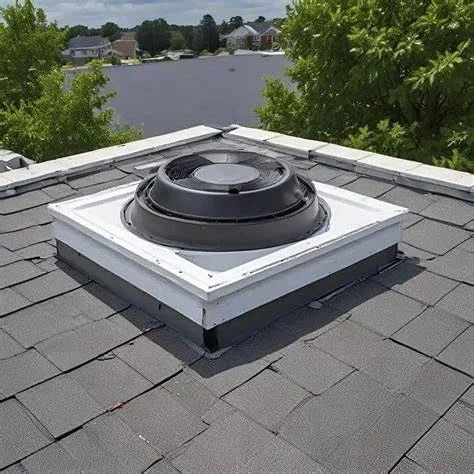
Powered attic fans can help to force out hot air from your attic, especially in areas with extreme heat. These fans are powered either by electricity or solar energy, and they provide additional ventilation when passive vents are insufficient.
Using Ventilation Baffles
Ventilation baffles, also known as rafter vents, help ensure that air flows freely from the soffit to the ridge vent. They are particularly useful in preventing insulation from blocking airflow and ensuring a steady ventilation cycle.
4-Choosing the Right Materials for Optimal Ventilation
Choosing the right materials for your attic ventilation system is essential for ensuring long-term performance. When selecting materials, consider the following:
- Durability: Choose materials that can withstand harsh weather conditions and last over time. Materials like aluminum or galvanized steel are ideal for vent covers and fans.
- Energy Efficiency: Opt for energy-efficient options like solar-powered attic fans that reduce reliance on electricity.
- Compatibility: Ensure that the ventilation materials you choose are compatible with your existing roofing system and insulation to maintain a balanced airflow.
5-Maintenance Tips for Long-Lasting Ventilation
Regular maintenance of your attic ventilation system can extend its lifespan and prevent potential problems. Here are some tips to keep your system running smoothly:
- Clean the Vents: Over time, vents can accumulate debris like leaves and dust, which can block airflow. Clean vents regularly to ensure proper function.
- Check for Damaged Parts: Inspect your attic fans, vents, and other ventilation components for signs of wear or damage. Replace or repair any damaged parts to keep the system operating effectively.
- Inspect Insulation: Ensure that your attic insulation is properly installed and not obstructing airflow. Insulation that blocks vents can reduce the effectiveness of your system.
Upgrading your attic ventilation system is an excellent way to improve the comfort and energy efficiency of your home. For more advice on choosing and installing attic ventilation solutions, visit Pickering Roofing for the best products and services tailored to your needs.

 Toiture Allaire5.0 (17 reviews)
 Toitures Garant et Frères Inc5.0 (3 reviews)
 Marks Roofing Ltd.4.0 (107 reviews)
 Metal Roof Canada | Steel Roofing Markham5.0 (41 reviews)
 CALGARY ROOFING & EXTERIORS LTD4.0 (44 reviews)
 Jin Li Roofing INC4.0 (57 reviews)
 How Much Does a New Roof Cost in 2025? Canadian Roofing Price Guide
 Top Signs Your Roof Has a Leak and What to Do About It in Canada
 Can You Install a New Roof Over an Old One in Canada?
 The Top Questions to Ask Before Hiring a Roofer in Canada
 What Are the Most Common Roofing Scams and How to Avoid Them in Canada
 How to Prepare Your Home for a Roofing Project in Canada