
- 1. Introduction
- 2. Why Roof Maintenance is Essential
- 3. Roof Cleaning: How Often Should You Clean Your Roof?
- 4. Roof Inspection: When and Why to Check Your Roof
- 5. Roof Repair: When and How to Fix Roof Issues
- 6. Conclusion
1. Introduction
Your roof is one of the most crucial components of your home, providing protection against the elements. Regular roof maintenance is essential for extending its lifespan and preventing costly repairs. However, how often should you clean, inspect, and repair your roof? In this guide, we’ll cover the key aspects of roof maintenance, offering expert advice to help you keep your roof in top condition for years to come.
Vancouver Moss Removal / moss removal north vancouver
VancouverMetro VancouverBritish Columbia
1615 Frances St #105, Vancouver, BC V5L 1Z3, Canada
2. Why Roof Maintenance is Essential
Maintaining your roof isn’t just about aesthetics; it’s about ensuring your home’s safety and structural integrity. A well-maintained roof can help you avoid severe water damage, mold growth, and even roof collapses. Roof maintenance also boosts the energy efficiency of your home by preventing drafts and leaks. By following a regular maintenance schedule, you can spot potential issues before they become major problems, saving you time, money, and stress.
Toiture TNT / Gatineau Outaouais / avis sur toiture tnt / gatineau outaouais
1700 Rue Schryer, Gatineau, QC J8R 1S2, Canada
3. Roof Cleaning: How Often Should You Clean Your Roof?
Cleaning your roof is an essential part of roof maintenance, as it helps to prevent debris buildup, mold, and algae. But how often should you clean your roof? Here’s a general guideline:
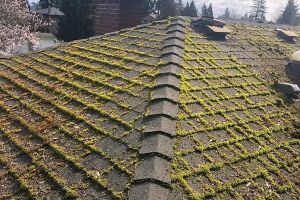
- Once a year: For most homes, it’s ideal to clean your roof at least once a year. Spring or early summer is the best time for roof cleaning since the weather is usually dry, and you can remove any leaves, dirt, or moss that may have accumulated over the winter.
- After severe weather: If your area experiences heavy storms, high winds, or snow, it's essential to inspect and clean your roof afterward to ensure no damage or debris is obstructing proper drainage.
Depending on the type of roof you have (e.g., asphalt shingles, metal roofing), you may need different cleaning methods. For instance, pressure washing may be suitable for some surfaces, while a softer brush or sponge is better for more delicate materials.
4. Roof Inspection: When and Why to Check Your Roof
Regular roof inspections are critical for identifying issues early on, preventing bigger problems down the line. Here's when and why you should inspect your roof:
- Annually: It’s recommended to inspect your roof once a year. This allows you to check for common problems such as loose shingles, leaks, or signs of wear and tear.
- After severe weather: After a storm or heavy snowfall, inspect your roof to ensure there’s no visible damage. High winds can tear off shingles, and heavy snow can cause ice dams, which can lead to leaks.
- Professional inspection: Every few years, it’s a good idea to hire a professional roofing contractor to perform a thorough inspection. They can check for hidden issues like structural damage or weak spots that may not be visible to the untrained eye.
During your inspection, look for cracked or missing shingles, rust on metal roofs, clogged gutters, and signs of water damage inside your attic. If you notice any of these issues, it’s essential to address them promptly to prevent further damage.
5. Roof Repair: When and How to Fix Roof Issues
If your roof shows signs of damage during your inspection, repairs should be done as soon as possible. Here's a quick guide on when and how to repair roof issues:
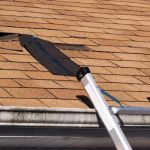
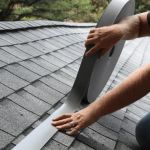
- Small leaks: If you notice small leaks or stains on your ceiling, it’s important to fix them immediately to prevent water damage. Temporary fixes can be done with roofing tape or sealant, but it's best to contact a professional for a permanent solution.
- Damaged shingles: Replace missing or damaged shingles right away to prevent further exposure to the elements. If you’re unsure how to replace shingles, a professional roofing contractor can handle this task for you.
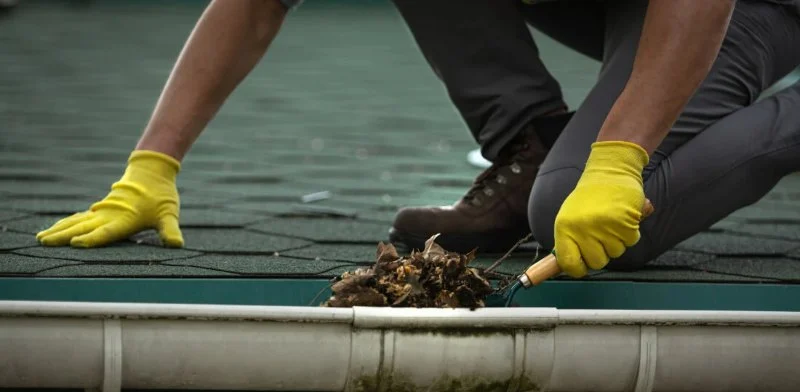
- Gutter cleaning and repairs: Clogged gutters can cause water to pool on your roof, leading to leaks and other damage. Clean your gutters regularly, and repair any broken sections promptly to ensure proper water flow.
While some minor repairs can be done DIY, it’s best to call in a professional for more complex issues like structural damage or extensive water damage.
6. Conclusion
Roof maintenance is an ongoing process that requires regular cleaning, inspection, and repair. By adhering to a consistent maintenance schedule, you can extend the life of your roof, prevent costly repairs, and ensure your home stays safe and secure. For expert roofing services in the Pickering area, visit Pickering Roofing for reliable roof inspection, cleaning, and repair services.

 Great North Property Enhancement Specialists0.0 (0 reviews)
 BA Roofing5.0 (12 reviews)
 Advantage Homes Roofing & Masonry5.0 (1 reviews)
 Bains Roofing4.0 (152 reviews)
 Roofing Repairs Company4.0 (29 reviews)
 Toitures J B Martin4.0 (4 reviews)
 How Much Does a New Roof Cost in 2025? Canadian Roofing Price Guide
 Top Signs Your Roof Has a Leak and What to Do About It in Canada
 Can You Install a New Roof Over an Old One in Canada?
 The Top Questions to Ask Before Hiring a Roofer in Canada
 What Are the Most Common Roofing Scams and How to Avoid Them in Canada
 How to Prepare Your Home for a Roofing Project in Canada