
- 1. Understanding Roof Overhangs and Eaves
- 2. Why Roof Overhangs Are Important for Protection and Aesthetic
- 3. How Big Should Your Roof Overhangs & Eaves Be?
- 4. Designing Roof Overhangs for Style and Function
1. Understanding Roof Overhangs and Eaves
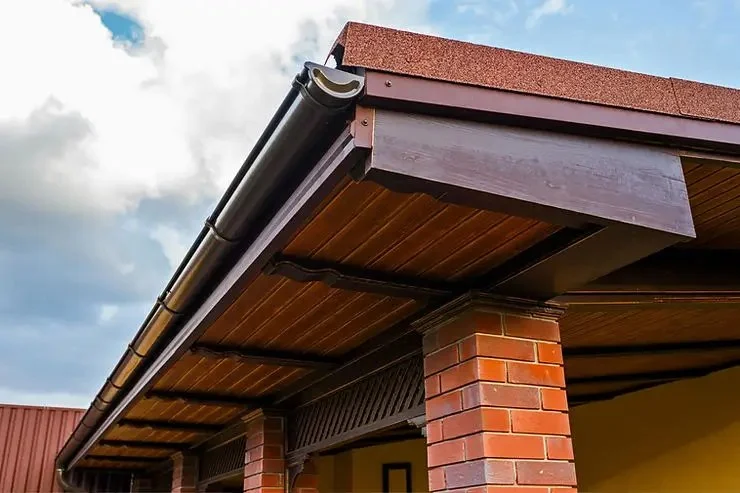
Roof overhangs and eaves are the parts of your roof that extend beyond the walls of your home, providing protection against the elements. These architectural features are often overlooked, but they serve an essential purpose in safeguarding your home from rain, snow, and sun exposure. Roof overhangs, especially where eaves meet the roof, help direct water away from the walls and foundation, preventing potential water damage.
For Canadian homeowners, the proper design and size of roof overhangs are crucial due to the harsh winters and heavy snowfalls that are typical in many parts of the country. Overhangs that are too small may lead to water running down the sides of the house, causing erosion or foundation issues. On the other hand, overhangs that are too large can detract from the home’s aesthetic value, making the house look disproportionate.
Best Roofer & Renovation / best roofing toronto
2967 Dundas St W #1584, Toronto, ON M6P 1Z2, Canada
2. Why Roof Overhangs Are Important for Protection and Aesthetic
Roof overhangs and eaves play a significant role in both the protection of your home and its curb appeal. Here’s how:
Vancouver Moss Removal / moss removal near me
VancouverMetro VancouverBritish Columbia
1615 Frances St #105, Vancouver, BC V5L 1Z3, Canada
Protection Against the Elements
The primary function of roof overhangs is to shield the walls and foundation of the home from rain, snow, and direct sunlight. This helps prevent water damage to your exterior walls, reduces the risk of ice dams in colder climates, and can even help with energy efficiency by preventing excessive heat buildup inside the home. In Canada, the protection from snow and ice is particularly important, as it helps prevent the accumulation of snow along the walls and foundation.
Aesthetic Appeal
A well-designed roof overhang can enhance the overall look of your home. Whether your home has a modern design or a more traditional aesthetic, the size and style of the overhangs can complement the roof pitch and the overall architecture. A roof with excessive overhangs can look out of proportion, while too short overhangs can make the roof appear too heavy and less inviting. Striking the right balance is key to creating a visually appealing structure.
3. How Big Should Your Roof Overhangs & Eaves Be?
When determining how big your roof overhangs should be, there are several factors to consider. The size of your overhang will depend on your location, the climate, and the architectural style of your home. Here are some guidelines for choosing the right size:
Climate Considerations
In Canada, where winters can be particularly harsh, the overhang should be large enough to protect your home from snow buildup and water runoff. A general rule of thumb is that roof overhangs should extend at least 12 to 24 inches (30 to 60 cm) for adequate protection against rain and snow. However, in regions that experience heavy snowfall or rain, overhangs of up to 36 inches (90 cm) may be necessary to keep the water from running down the walls and affecting the foundation.
Roof Pitch and Style
The pitch of your roof also affects the size of the overhang. Steeper roofs typically require smaller overhangs, as the water will naturally be directed downward and away from the walls. On the other hand, lower-pitched roofs may require larger overhangs to ensure that the water is effectively diverted. If your home has a more traditional or rustic design, larger overhangs can add to the visual charm, while modern homes often benefit from more minimalist and streamlined designs with smaller overhangs.
Architectural Considerations
The style of your home also dictates the size of the roof overhangs. Colonial-style homes, for example, often feature large, symmetrical overhangs, while contemporary designs may incorporate smaller, more functional overhangs that blend into the roof’s lines. Work with your architect or designer to ensure that the overhang size complements the proportions of your home.
4. Designing Roof Overhangs for Style and Function
Once you’ve determined the right size for your roof overhangs, it’s time to think about their design. Here are some tips for ensuring that your roof overhangs are both functional and aesthetically pleasing:
Choose the Right Materials
Overhangs are not only functional but also contribute to the visual appeal of your home. Choose materials that complement the overall look of your roof and exterior. For example, a wooden overhang can add warmth and charm to a cottage-style home, while a metal overhang may give a modern home a sleek, industrial look. Keep in mind that the materials should also be durable enough to withstand harsh weather conditions, particularly in the Canadian climate.
Incorporate Decorative Elements
If you’re looking to add a unique touch to your home’s exterior, consider incorporating decorative elements into your roof overhangs. Exposed beams, decorative brackets, or unique gutter systems can enhance the overall look of the eaves while providing the necessary protection from the elements. For example, in parts of Canada where traditional architecture is common, decorative rafter tails or trim details can make a big difference in the aesthetic of your roofline.
Ensure Proper Ventilation
While designing your roof overhangs, don’t forget to consider ventilation. Proper airflow in the attic is essential for maintaining a cool and dry environment in your home. Roof overhangs that extend too far may block airflow, causing moisture buildup in the attic. To avoid this, ensure that your overhangs are designed with ventilation in mind, or work with a roofing professional to incorporate vents into your overhang design.
Roof overhangs are an important part of your home’s overall protection and aesthetic design. For Canadian homeowners, balancing functionality with style is key to creating a roof that stands up to the elements and enhances your home’s curb appeal. If you’re unsure about the right size or design for your roof overhangs, consulting with an expert like Pickering Roofing can help you achieve the perfect balance.


 Brault Roofing Manitoba0.0 (0 reviews)
 Gradina Roofing5.0 (1 reviews)
 Sapphire Roofing Orangeville5.0 (1 reviews)
 GTA EXTERIORS4.0 (14 reviews)
 TT Sheltered roofing Toronto0.0 (0 reviews)
 Oakwood Roofing & Sheet Metal Co Ltd4.0 (31 reviews)
 How Much Does a New Roof Cost in 2025? Canadian Roofing Price Guide
 Top Signs Your Roof Has a Leak and What to Do About It in Canada
 Can You Install a New Roof Over an Old One in Canada?
 The Top Questions to Ask Before Hiring a Roofer in Canada
 What Are the Most Common Roofing Scams and How to Avoid Them in Canada
 How to Prepare Your Home for a Roofing Project in Canada