
Understanding Roof Repair Danger Zones in Canadian Homes
In Canada, roofs work overtime. Long winters, freeze–thaw cycles, heavy snow loads, and sudden spring thaws all combine to stress roofing systems in ways homeowners don’t always see. While many people focus on missing shingles after a storm, experienced roofers know that the real problems often begin in less obvious areas. These are commonly known as roof repair danger zones.
Valleys, eaves, and chimney connections handle large volumes of water, snow, and ice. When they fail, leaks rarely stay small. Understanding how these areas function—and how they fail—can save homeowners thousands of dollars in interior repairs.
Lansard Bros Roofing Ltd / lansard roofing
50 Don Valley Pkwy, Sunnyside, MB R5R 0C9, Canada
Roof Valleys: Where Water Pressure Tests Your Roof
Why Valleys Are a High-Risk Roof Repair Area
Roof valleys are the channels where two roof slopes meet. In theory, they simply guide water toward gutters. In reality, they carry more water than any other part of the roof. During heavy rain or rapid snowmelt, valleys experience concentrated flow that can expose even minor installation mistakes.
In many Canadian homes, valleys are also shaded by trees or roof geometry. This slows drying and allows debris like leaves and pine needles to trap moisture against the shingles.
Ck Roofing Solutions / ck roofing solutions
MarkhamRegional Municipality of YorkOntario
8 Hikers Ln, Markham, ON L6B 0K3, Canada
Common Valley Damage Patterns
Homeowners often don’t notice valley issues until stains appear on ceilings. By then, water may have already penetrated the underlayment. Cracked shingles, corroded metal liners, or improperly nailed shingles are frequent causes. In older homes, valley flashing installed decades ago may no longer meet modern waterproofing standards.
Eaves: Ice Dams and Edge Failures
How Canadian Winters Attack Roof Eaves
Eaves sit at the edge of the roof, right where warm indoor air meets freezing outdoor temperatures. This makes them especially vulnerable to ice dams. When snow melts higher up the roof and refreezes at the eaves, water backs up under the shingles instead of draining away.
This problem is common in Ontario and other regions with fluctuating winter temperatures. Even a well-installed roof can suffer eaves damage if insulation or ventilation is inadequate.
Warning Signs Homeowners Often Miss
Peeling paint, warped fascia boards, and icicles forming in unusual patterns can all signal trouble. Many homeowners assume these are cosmetic issues, but they often indicate water intrusion behind the scenes. Addressing eaves damage early is far easier than replacing rotted roof decking later.
Chimney Connections: Small Gaps, Big Consequences
Why Chimneys Are Persistent Leak Sources
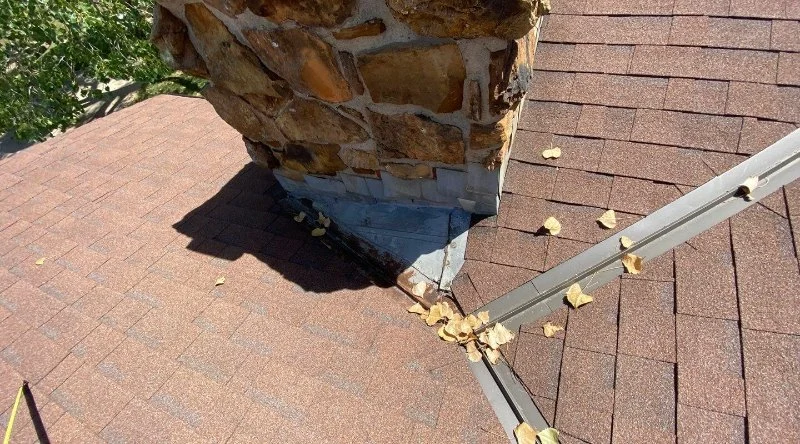
Chimneys interrupt the smooth surface of a roof, creating joints that rely heavily on flashing. In Canadian climates, metal flashing expands and contracts repeatedly throughout the year. Over time, this movement can loosen seals and create hairline gaps.
Older chimneys built with porous brick or aging mortar add another layer of risk. Water absorbed into masonry can freeze, expand, and worsen existing cracks near the roofline.
Typical Chimney-Related Roof Repairs
Failed step flashing, deteriorated counter-flashing, and improper caulking are common findings during roof inspections. These issues rarely improve on their own. Left unaddressed, they often lead to interior leaks that appear far from the chimney itself, making diagnosis tricky for homeowners.
Real Roof Repair Cases from Canadian Homes
A recent case in the Greater Toronto Area involved a family who noticed a small water stain after a spring thaw. The source turned out to be a valley clogged with debris, combined with ice-dam damage at the eaves. What looked like a minor ceiling mark revealed soaked insulation and early mold growth.
In another situation, a homeowner delayed repairing chimney flashing because the leak seemed intermittent. After a harsh winter, melting snow found its way through the weakened joint, damaging drywall and hardwood floors below. These scenarios are more common than many homeowners realize.
Professional Insight and Long-Term Prevention
Why Expert Assessment Matters
Roof repair danger zones are difficult to evaluate from the ground. Professional inspections focus on these high-risk areas first, using experience to spot early warning signs that untrained eyes often miss. This is where working with a trusted local provider makes a difference.
Many Canadian homeowners turn to Pickering Roofing for guidance because they understand regional weather patterns and how they affect roofing systems over time. Proper repairs in valleys, eaves, and chimney connections are not just about fixing leaks—they’re about preventing the next one.
Practical Steps Homeowners Can Take
Keeping valleys clear of debris, ensuring attic insulation is balanced, and scheduling regular roof inspections can dramatically reduce risk. Addressing small issues in these danger zones early often costs far less than emergency repairs during peak winter or spring seasons.

 Toiture Allaire5.0 (17 reviews)
 Toitures Garant et Frères Inc5.0 (3 reviews)
 Marks Roofing Ltd.4.0 (107 reviews)
 Metal Roof Canada | Steel Roofing Markham5.0 (41 reviews)
 CALGARY ROOFING & EXTERIORS LTD4.0 (44 reviews)
 Jin Li Roofing INC4.0 (57 reviews)
 How Much Does a New Roof Cost in 2025? Canadian Roofing Price Guide
 Top Signs Your Roof Has a Leak and What to Do About It in Canada
 Can You Install a New Roof Over an Old One in Canada?
 The Top Questions to Ask Before Hiring a Roofer in Canada
 What Are the Most Common Roofing Scams and How to Avoid Them in Canada
 How to Prepare Your Home for a Roofing Project in Canada