
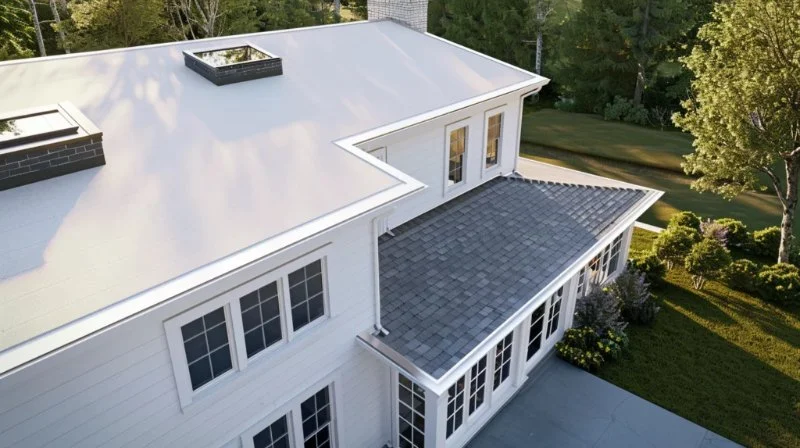
1. Introduction: Understanding the Importance of Roof Slope and Shape
Choosing the right roof slope and shape is a critical decision when planning your home’s roofing system. The slope and shape not only affect the aesthetic appeal of your home but also have practical implications for the roof’s durability, energy efficiency, and weather resistance. Whether you’re building a new house or replacing an old roof, understanding how different roof types perform in various climates can help you make an informed decision. This article will guide you through the considerations for selecting the ideal roof slope and shape for your home based on your lot and climate conditions.
- 1.1 Key Considerations for Choosing Roof Shape and Slope
- 1.2 Different Roof Shapes and Their Benefits
- 1.3 Understanding Roof Slope and Its Impact
- 1.4 How Climate Affects Roof Design
- 1.5 Roof Installation Costs: What to Expect
- 1.6 Long-Term Benefits of Choosing the Right Roof
2. Key Considerations for Choosing Roof Shape and Slope
Before you decide on the roof shape and slope for your home, consider several important factors. These factors will guide you in selecting the most appropriate design for your property.
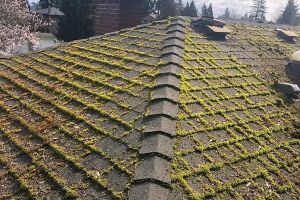
Vancouver Moss Removal / moss removal near me
VancouverMetro VancouverBritish Columbia
1615 Frances St #105, Vancouver, BC V5L 1Z3, Canada
2.1 Aesthetic Preferences
The roof shape plays a significant role in the overall appearance of your home. While functionality is important, the visual appeal of your roof can enhance your home’s curb appeal. For instance, traditional homes often have gable roofs, while contemporary designs might feature flat or shed roofs.
2.2 Weather Resistance
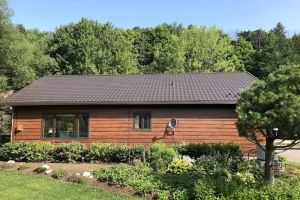
The roof’s design should provide optimal protection against the elements. A steeper slope allows for better water runoff, which is especially useful in regions that experience heavy rainfall or snowfall. A flatter roof might be more appropriate for areas with drier climates but may require additional waterproofing measures.
2.3 Budget and Installation Complexity
The complexity of the roof design impacts installation costs. More intricate roof shapes, such as multi-gable or mansard roofs, often require more labor and materials, thus increasing costs. On the other hand, simpler shapes, like a single-pitched or flat roof, may be more budget-friendly to install.
3. Different Roof Shapes and Their Benefits
There are several roof shapes to choose from, each offering unique benefits depending on your preferences and the climate in your area.
3.1 Gable Roof
One of the most common roof types, gable roofs have two sloping sides that meet at a ridge. They offer excellent water runoff and are great for areas with heavy rainfall or snow. Gable roofs also allow for higher ceilings and attic space, which can be an added benefit for storage or additional living space.
3.2 Hip Roof
Hip roofs are characterized by four sloping sides that come together at the top to form a ridge. This roof shape provides excellent stability and is more resistant to wind damage compared to gable roofs. It is ideal for areas that experience high winds or hurricanes.
3.3 Flat Roof
Flat roofs are exactly as they sound—completely level with a slight pitch for drainage. These roofs are commonly used in modern homes and commercial buildings. While flat roofs are more cost-effective and provide extra usable space, they require regular maintenance to prevent water pooling and leaks.
3.4 Shed Roof
A shed roof is a single sloped roof, often seen in contemporary homes or structures like garages and additions. It is simple to build and allows for tall, open interiors with lots of natural light. Shed roofs are ideal for homes in dry, warm climates where rainfall is minimal.
4. Understanding Roof Slope and Its Impact
The slope of your roof, often referred to as the pitch, is a key factor in determining how well your roof will perform in different weather conditions. Roof pitch is usually measured as a ratio of the rise (vertical height) over the run (horizontal distance) of the roof.
4.1 Low Slope Roofs
Low-slope roofs (with a pitch of less than 3:12) are common in commercial buildings or homes in dry climates. While they are easier to construct and cost less, they are not as effective at shedding water. Therefore, they require more maintenance and often include drainage systems to prevent water from pooling.
4.2 Steep Slope Roofs
Steep-slope roofs (with a pitch greater than 4:12) are ideal for areas with heavy rain or snow. The steeper pitch allows for quick water runoff, which reduces the risk of leaks and water damage. Additionally, these roofs are better at withstanding high winds, making them a great choice for storm-prone areas.
5. How Climate Affects Roof Design
Different climates require different roofing solutions. Understanding how climate impacts roof performance is essential in choosing the best design for your home.
5.1 Hot, Dry Climates
In hot, dry climates, a roof design that maximizes ventilation and minimizes heat absorption is ideal. Roofs with light-colored materials or reflective coatings can help reduce cooling costs by reflecting sunlight. Additionally, flat or low-pitched roofs are often used in such climates to prevent heat from building up in the attic.
5.2 Cold, Snowy Climates
In colder climates where heavy snow and ice are common, a steeply pitched roof is recommended. The steep slope allows snow to slide off easily, preventing the buildup of snow and ice that could lead to structural damage. Materials like metal or shingles are often used for their snow-shedding capabilities.
5.3 Wind-Prone Areas
In regions prone to high winds, such as coastal areas or tornado-prone zones, roofs with a hip or gable shape are preferable. These roof types offer more resistance to wind uplift and are less likely to be damaged during storms. Reinforced roofing materials and proper fastening techniques can also help enhance roof stability in these areas.
6. Roof Installation Costs: What to Expect
The cost of roof installation can vary widely depending on the type and shape of the roof, materials used, and labor costs in your area. Here's what you need to know:
6.1 Roof Shape and Slope Impact on Costs
More complex roof shapes and steeper slopes tend to increase labor and material costs. For instance, a hip roof or a steeply pitched roof may require more time and specialized skills to install, leading to higher overall costs. Flat roofs, on the other hand, are generally less expensive to install but may require more maintenance over time.
6.2 Materials and Additional Features
The materials you choose for your roof will also play a significant role in the total cost. Copper, slate, and metal roofs can be more expensive than asphalt shingles, but they offer superior durability and weather resistance. Adding features such as skylights, chimneys, or ventilation systems can further increase installation costs.
7. Long-Term Benefits of Choosing the Right Roof
Choosing the right roof shape and slope can lead to significant long-term savings and benefits. A well-chosen roof will enhance the curb appeal of your home, reduce energy costs, and offer better protection from the elements. Additionally, with proper care and maintenance, your roof can last for decades, saving you money on repairs and replacements in the future.
7.1 Increased Property Value
A stylish, durable roof not only enhances your home’s appearance but also increases its market value. Potential buyers often consider the condition and quality of the roof when deciding to purchase a property, making a high-quality roof a wise investment.
7.2 Improved Energy Efficiency
The right roof shape and slope can improve your home's energy efficiency by providing better insulation and reducing heating and cooling costs. This is especially important in areas with extreme temperatures, as a well-designed roof can help maintain a comfortable indoor climate year-round.
 Toiture Summa5.0 (33 reviews)
 Evandale Roofing & Siding4.0 (23 reviews)
 Guycan Ltd4.0 (72 reviews)
 Universal Roofs5.0 (97 reviews)
 Toitures Cossette4.0 (56 reviews)
 Ready Roofers5.0 (21 reviews)
 How Much Does a New Roof Cost in 2025? Canadian Roofing Price Guide
 Top Signs Your Roof Has a Leak and What to Do About It in Canada
 Can You Install a New Roof Over an Old One in Canada?
 The Top Questions to Ask Before Hiring a Roofer in Canada
 What Are the Most Common Roofing Scams and How to Avoid Them in Canada
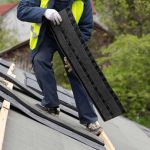 How to Prepare Your Home for a Roofing Project in Canada