
Roof Soundproofing: What Options Are Effective in Noisy Neighborhoods
- Understanding Roof Soundproofing
- Why Soundproofing Your Roof Matters
- Soundproofing Solutions for Noisy Neighborhoods
- Types of Roof Soundproofing Materials
- When to Consider Professional Roof Soundproofing
1. Understanding Roof Soundproofing
Roof soundproofing is the process of enhancing your roof structure to reduce noise transmission from the outside world into your home. For many homeowners, the roof is an area that is often overlooked when it comes to soundproofing, yet it plays a crucial role in blocking out unwanted noise. Whether it’s the sounds of traffic, construction, or neighborhood activity, soundproofing your roof can dramatically improve the overall comfort of your living space.
While there are several ways to soundproof a home, addressing the roof specifically can offer long-lasting results in noisy environments. A well-insulated and soundproofed roof ensures that external noise doesn’t disturb your daily life, especially if you live in busy urban areas or near high-traffic zones.
D'Angelo and Sons | Eavestrough Repair & Roofing Burlington / eavestrough burlington ontario
BurlingtonRegional Municipality of HaltonOntario
460 Brant St unit #300, Burlington, ON L7R 4B6, Canada
2. Why Soundproofing Your Roof Matters
Many homeowners are unaware of how much noise enters their home through the roof. In noisy neighborhoods or locations with high levels of environmental noise, such as airports, busy streets, or even nearby construction, the roof can act as a primary conduit for sound. Soundproofing the roof can help block out:

Ottawa Eavestrough Group / eavestrough repair ottawa
340 Albert St, Ottawa, ON K1R 7Y6, Canada
1. External Traffic and City Noise
Living near busy roads, highways, or train tracks can mean constant disturbances from traffic noise. These sounds can enter through the roof and disturb your peace, especially in areas where the roof is not adequately insulated or sealed.
2. Noise from Weather
Heavy rain, hail, or snow can create a lot of noise, especially if you have a metal roof or thin roofing material. While these sounds are natural, they can be amplified inside your home, making it difficult to relax or sleep. Roof soundproofing helps dampen the noise created by severe weather conditions.
3. Neighborhood Sounds
Living in close proximity to neighbors can mean hearing every conversation, car horn, or dog bark. While windows and walls can be soundproofed, the roof often remains a major source of noise intrusion, especially if you live in a densely populated area with minimal space between homes.
3. Soundproofing Solutions for Noisy Neighborhoods
There are several effective solutions to consider when soundproofing your roof in noisy neighborhoods. Here are some of the most popular methods:
1. Roof Insulation
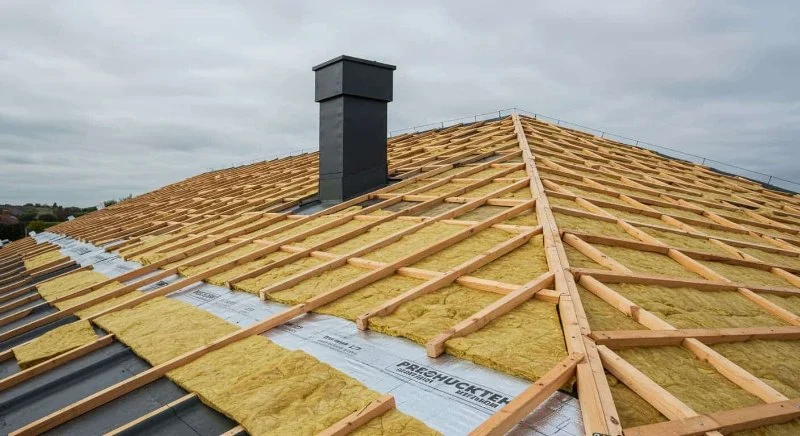
One of the most common and effective ways to soundproof your roof is through proper insulation. Insulation materials, such as fiberglass, cellulose, or spray foam, help to absorb sound, reducing the amount of noise that passes through the roof structure. Insulating your attic space or the underside of your roof can significantly lower the transmission of external noises.
2. Installing Acoustic Roof Panels
Acoustic panels are designed specifically to absorb sound. These panels can be installed on the roof deck or in the attic to reduce noise levels. Made from sound-absorbing materials such as foam or fiberglass, acoustic roof panels help trap sound and prevent it from reaching your living space. They are especially effective in areas with high ambient noise levels.
3. Adding a Second Layer of Roofing
In some cases, homeowners may opt to install a second layer of roofing material. This additional layer can be made from materials such as rubber, asphalt shingles, or even specialized soundproofing membranes. The extra barrier helps to further reduce sound transmission and provides better insulation, especially in homes with flat roofs.
4. Installing Soundproofing Underlayment
Soundproofing underlayment is typically installed between the roofing material and the roof deck. It is often used in combination with other materials like roofing shingles or tiles to improve noise reduction. Underlayment made from rubber or foam helps absorb sound and prevents it from traveling into your home. This solution is highly effective in reducing noise from both external sources and heavy rain.
4. Types of Roof Soundproofing Materials
The materials you choose for roof soundproofing play a significant role in the effectiveness of the solution. Some of the most commonly used soundproofing materials include:
1. Fiberglass Insulation
Fiberglass insulation is one of the most common materials used for roof soundproofing. It is affordable, easy to install, and provides excellent sound absorption properties. Fiberglass insulation is particularly effective at reducing airborne noise, such as traffic sounds or voices from outside.
2. Acoustic Foam
Acoustic foam panels are highly effective at absorbing sound. These panels are available in various thicknesses and densities, depending on the level of noise you want to reduce. They can be installed in the attic or between the roof layers for maximum soundproofing results.
3. Mass Loaded Vinyl (MLV)
Mass loaded vinyl (MLV) is a dense, flexible material that is used to block sound transmission. It is often applied directly to the underside of the roof decking or attached to the roofing membrane. MLV helps reduce the passage of sound waves and is particularly useful in environments with high levels of external noise.
4. Soundproofing Membranes
Soundproofing membranes are thin, flexible layers of material that can be applied to the roof deck or underlayment. These membranes are made from materials like rubber or bitumen and help to block sound. They are an excellent option for reducing both impact and airborne noise.
5. When to Consider Professional Roof Soundproofing
While DIY roof soundproofing solutions can be effective, some homeowners may need professional assistance to achieve optimal results. Here are some situations where hiring a professional may be necessary:
1. Complex Roof Structures
If your roof has a complex structure with multiple layers, slopes, or dormers, professional assistance may be required to properly install soundproofing materials. A professional roofer or contractor can assess the situation and ensure that all areas are effectively treated.
2. Severe Noise Problems
If you live in an extremely noisy neighborhood or your home is exposed to constant traffic or environmental noise, it may be best to hire a professional to assess the best soundproofing methods. They will be able to recommend the right materials and installation techniques for the most effective results.
3. Roof Replacement or Major Repairs
If you're already planning to replace or repair your roof, it's a good time to consider adding soundproofing as part of the renovation process. Professional contractors can incorporate soundproofing materials into the new roofing system, ensuring long-term effectiveness.
If you’re considering soundproofing your roof to block out noise from your neighborhood, visit Pickering Roofing for expert advice, materials, and services to help you reduce unwanted noise and improve your living space.
Investing in roof soundproofing can significantly enhance your home’s comfort, offering peace and quiet in even the noisiest neighborhoods. By understanding your options and choosing the right materials, you can enjoy a more serene and private living environment.
 Toiture Summa5.0 (33 reviews)
 Evandale Roofing & Siding4.0 (23 reviews)
 Guycan Ltd4.0 (72 reviews)
 Universal Roofs5.0 (97 reviews)
 Toitures Cossette4.0 (56 reviews)
 Ready Roofers5.0 (21 reviews)
 How Much Does a New Roof Cost in 2025? Canadian Roofing Price Guide
 Top Signs Your Roof Has a Leak and What to Do About It in Canada
 Can You Install a New Roof Over an Old One in Canada?
 The Top Questions to Ask Before Hiring a Roofer in Canada
 What Are the Most Common Roofing Scams and How to Avoid Them in Canada
 How to Prepare Your Home for a Roofing Project in Canada