
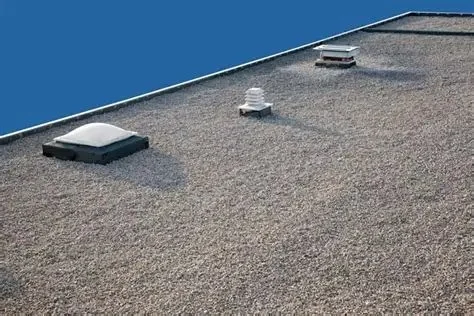
Roofing for Flat Roofs: Key Materials, Drainage & Maintenance Tips
Flat roofs are a popular choice for many commercial and residential buildings, especially in urban areas. Their sleek, modern look and space-saving design make them ideal for various applications. However, flat roofs also come with unique challenges, particularly when it comes to materials, drainage, and maintenance. Understanding the best options for each of these aspects can significantly improve the longevity and performance of your flat roof. In this guide, we’ll walk you through the best materials for flat roofs, essential drainage solutions, and valuable maintenance tips to keep your flat roof in excellent condition.
pgsqlCopy code1-Choosing the Best Materials for Flat Roofs
Choosing the right roofing material for a flat roof is crucial for both durability and performance. The material must be able to withstand the weight of water, resist UV damage, and provide adequate insulation. Here are some of the most common materials used for flat roofs:
Marlad Roofing & Siding Inc / marlad
BramptonRegional Municipality of PeelOntario
30 Hale Rd Unit 14, Brampton, ON L6W 4N9, Canada
EPDM (Ethylene Propylene Diene Monomer)
EPDM is a rubber membrane that is widely used for flat roofs due to its flexibility, durability, and ease of installation. This material is highly resistant to UV rays, ozone, and extreme weather conditions, making it ideal for regions with varying climates. EPDM is also relatively low-maintenance, requiring only periodic inspections and minor repairs.
Christensen & McLean Roofing / christensen & mclean roofing
16173 132 Ave NW, Edmonton, AB T5V 1H7, Canada
Modified Bitumen
Modified bitumen is a popular roofing material for flat roofs, composed of asphalt and rubber or plastic. It’s applied in multiple layers, which provide additional protection against water penetration. Modified bitumen roofs are known for their strength, weather resistance, and ability to perform well in both hot and cold climates. However, they can require more maintenance compared to other materials like EPDM.
TPO (Thermoplastic Olefin)
TPO is a single-ply roofing membrane made from a combination of polypropylene and ethylene-propylene rubber. TPO roofs are highly reflective, which helps in reducing cooling costs by reflecting UV rays. This makes TPO a great option for energy-efficient buildings. TPO roofs are also resistant to chemicals, punctures, and tears, but they can be more expensive than other flat roofing materials.
Built-Up Roofing (BUR)
Built-Up Roofing is a traditional flat roofing material made by layering asphalt and felt, creating a durable and waterproof roof. BUR offers excellent protection against water damage and is relatively low in cost compared to some other materials. However, it can be heavy, which may require additional structural support for certain buildings. BUR also requires more frequent maintenance than other modern materials.
2-Flat Roof Drainage: How to Ensure Proper Water Flow
Flat roofs are more prone to water pooling due to their minimal slope, making drainage a critical aspect of flat roof design. Without proper drainage, water can accumulate, leading to leaks, structural damage, and the growth of mold and mildew. Here are some drainage solutions to ensure proper water flow:
Internal Drainage Systems
Internal drainage systems are typically used in modern flat roofs. These systems rely on internal drains that channel water off the roof and into the building’s plumbing system. To prevent water from backing up, it’s important to regularly inspect the drains and ensure they are free from debris. Internal drainage is ideal for buildings with limited exterior space or aesthetics concerns.
Scuppers and Downspouts
For roofs with a slight pitch, scuppers (openings in the roof) combined with downspouts are an effective way to direct water away from the roof. Scuppers allow water to flow off the roof edge, and downspouts guide it to the ground or drainage system. Proper installation and regular maintenance are essential to avoid clogs and ensure efficient water flow.
Gutters
Gutters are another common drainage option for flat roofs. They are typically installed along the roof’s perimeter to collect rainwater and channel it away from the building. Gutters must be regularly cleaned to prevent blockages caused by leaves, dirt, or debris. They are best used in combination with other drainage systems to ensure comprehensive water management.
3-Maintenance Tips for Flat Roofs
Proper maintenance is essential for prolonging the lifespan of your flat roof and preventing costly repairs. Here are some essential maintenance tips to keep your flat roof in great shape:
Regular Inspections
It’s important to perform regular inspections of your flat roof, ideally twice a year—once in the spring and once in the fall. Look for signs of damage such as cracks, blisters, and punctures. Check the drainage systems, including gutters and downspouts, to ensure they are functioning correctly. Early detection of minor issues can save you from expensive repairs down the road.
Clear Debris
Debris such as leaves, branches, and dirt can clog drainage systems, leading to water buildup. Regularly clear debris from the surface of the roof and from around drains, scuppers, and gutters. This will help prevent water from accumulating and causing damage to the roof structure.
Reapply Protective Coatings
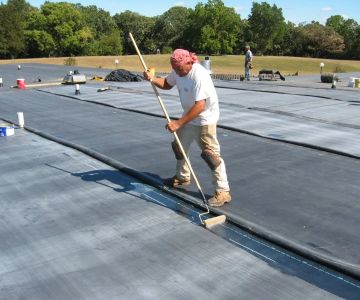
Many flat roofs, especially those made of TPO or EPDM, benefit from the application of reflective coatings. These coatings help protect the roof from UV damage, reduce heat absorption, and prolong the lifespan of the roofing material. Reapplying coatings every few years can significantly improve the performance of your flat roof.
Fix Small Issues Immediately
If you notice any small issues such as minor leaks or cracks, address them immediately. Left untreated, these small problems can quickly escalate into larger, more costly issues. Use appropriate roofing sealants to patch up cracks and minor holes, or call a professional if the damage is more extensive.
4-Real-Life Case: Flat Roof Maintenance in Action
One of our customers, John, had a flat roof installed on his home several years ago. After a heavy rainstorm, he noticed some water pooling on his roof. Upon inspection, it became clear that the roof’s drainage system had become clogged with debris. John followed the steps outlined in this guide—cleaning the gutters, checking for debris around the drains, and applying a new reflective coating to the roof. Since taking these actions, John’s flat roof has remained in great condition, and he’s avoided any major water damage.
5-Why Choose Pickering Roofing for Flat Roof Installation and Maintenance
If you’re in need of professional assistance with flat roof installation or maintenance, Pickering Roofing is here to help. Our team of experts can guide you through choosing the best materials for your roof, installing effective drainage systems, and ensuring that your flat roof remains in optimal condition for years to come. Visit our website today to learn more about our services and get started on your roofing project.
Conclusion
Flat roofs can be a practical and aesthetically pleasing choice for many homes and buildings. However, to ensure their longevity and performance, it’s important to choose the right materials, implement proper drainage systems, and carry out regular maintenance. By following these expert tips, you can extend the life of your flat roof and avoid costly repairs. For professional advice and high-quality services, don’t hesitate to contact Pickering Roofing today!

 GRRC Roofing3.0 (29 reviews)
 Top Roofers Toronto3.0 (2 reviews)
 Toitures Roy4.0 (5 reviews)
 Nail To Nail Roofing3.0 (8 reviews)
 Arc Roofing & Waterproofing0.0 (0 reviews)
 Upward Roofing AB.Commercial & leak repairs LTD5.0 (4 reviews)
 How Much Does a New Roof Cost in 2025? Canadian Roofing Price Guide
 Top Signs Your Roof Has a Leak and What to Do About It in Canada
 Can You Install a New Roof Over an Old One in Canada?
 The Top Questions to Ask Before Hiring a Roofer in Canada
 What Are the Most Common Roofing Scams and How to Avoid Them in Canada
 How to Prepare Your Home for a Roofing Project in Canada