
- 1. Why Fire-Resistant Roofing Is Crucial in High Wildfire Risk Areas
- 2. Understanding Roofing Material Fire Ratings
- 3. Types of Fire-Resistant Roofing Materials
- 4. How to Choose the Right Roofing Material for Wildfire-Prone Areas
- 5. Case Study: Choosing the Right Roof in a Wildfire-Prone Region
- 6. How Pickering Roofing Can Help You Choose the Best Roofing Material
1. Why Fire-Resistant Roofing Is Crucial in High Wildfire Risk Areas
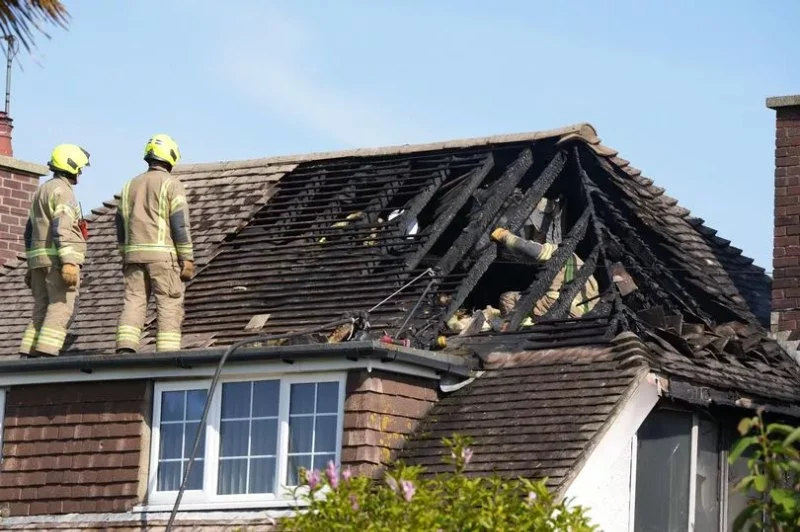
Wildfires are becoming an increasing concern, especially in areas prone to dry conditions and high winds. In regions like parts of Canada, where wildfires are a threat, the choice of roofing material can significantly impact the safety and longevity of your home. Fire-resistant roofing is one of the most effective ways to protect your home from the devastating effects of wildfires.
When wildfires occur, embers from the fire can travel long distances, landing on roofs and igniting flammable materials. A fire-resistant roof helps prevent these embers from starting a fire on your home, providing an added layer of protection during wildfire season.
Best Roofer & Renovation / best roofing toronto
2967 Dundas St W #1584, Toronto, ON M6P 1Z2, Canada
2. Understanding Roofing Material Fire Ratings
Roofing materials are classified into different fire ratings to help homeowners make informed decisions about fire protection. The fire rating system is based on how well roofing materials can resist catching fire from external sources, such as airborne embers or direct flames. Understanding these ratings is essential when choosing the right roof for areas with high wildfire risk.
The fire rating system is typically broken down into three categories:
2.1. Class A Fire Rating
Class A-rated roofing materials are the most fire-resistant. They offer the highest level of protection against fire and are ideal for areas with the highest wildfire risk. These materials can withstand severe fire exposure and help prevent the spread of flames.
2.2. Class B Fire Rating
Class B-rated materials provide moderate fire resistance. While they are less effective than Class A materials, they still offer a good level of protection. In regions with a moderate wildfire risk, Class B-rated materials can be a cost-effective option.
2.3. Class C Fire Rating
Class C-rated materials are the least fire-resistant. While they may provide some protection against fire, they are not recommended for high-risk wildfire areas. These materials should be avoided in places where fire risk is a significant concern.
3. Types of Fire-Resistant Roofing Materials
When considering fire-resistant roofing materials, there are several options to choose from. Each material has its pros and cons, and the best choice depends on your specific needs, budget, and the level of fire resistance required.
3.1. Asphalt Shingles
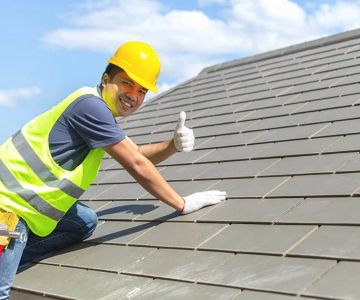
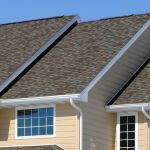
Asphalt shingles are one of the most common roofing materials, and they can come in fire-resistant versions with a Class A rating. These shingles are affordable, widely available, and relatively easy to install. However, while they provide good fire resistance, they may not offer the same level of protection as other materials, such as metal or concrete tiles.
3.2. Metal Roofing
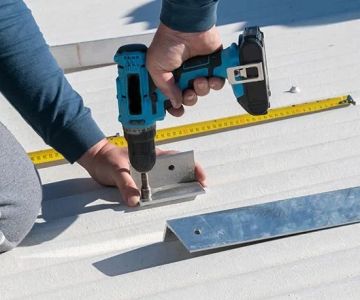
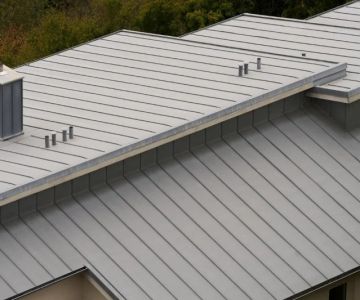
Metal roofing is an excellent option for fire resistance. Metal roofs are naturally fire-resistant and can withstand high temperatures. Additionally, metal roofing is durable, long-lasting, and environmentally friendly, making it a great choice for areas prone to wildfires. Class A metal roofing options, such as steel or aluminum, offer the highest protection.
3.3. Clay and Concrete Tiles
Clay and concrete tiles are also highly fire-resistant and typically have a Class A rating. These materials are heavy and durable, providing excellent protection against wildfires. However, they can be more expensive than asphalt shingles and may require a stronger structural support system due to their weight.
3.4. Synthetic Roofing
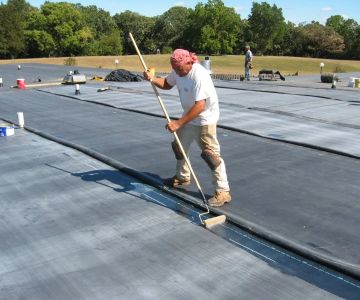
Synthetic roofing materials, such as rubber, plastic, and polymer shingles, are becoming increasingly popular due to their fire resistance and ability to mimic the look of more expensive materials. Many synthetic roofing products are rated Class A and provide a lightweight, cost-effective option for homeowners.
4. How to Choose the Right Roofing Material for Wildfire-Prone Areas
Choosing the right roofing material for wildfire-prone areas involves balancing fire resistance with other factors such as cost, aesthetics, and durability. Here are a few steps to help you choose the right material for your home:
4.1. Evaluate the Fire Risk in Your Area
Before selecting a roofing material, it's important to assess the wildfire risk in your area. If you live in a high-risk zone, opt for a Class A-rated roofing material to maximize protection. For areas with a moderate risk, Class B-rated materials may provide adequate protection.
4.2. Consider Your Budget
Fire-resistant roofing materials can vary significantly in price. While metal and concrete tiles may be more expensive, they offer superior protection and durability. Asphalt shingles and synthetic materials offer more affordable options but may not provide the same level of fire resistance. Consider your budget and weigh the long-term benefits when making your choice.
4.3. Aesthetic Preferences
The look of your roof is also important. Choose a roofing material that complements the style of your home while still providing the fire protection you need. Materials like clay tiles and metal roofs offer a range of colors and styles to suit different aesthetic preferences.
5. Case Study: Choosing the Right Roof in a Wildfire-Prone Region
In recent years, homeowners in British Columbia have faced growing concerns about wildfires. In one such case, a family in a high-risk area chose a metal roof with a Class A rating to protect their home. The decision to invest in a fire-resistant roof paid off when a nearby wildfire spread embers, which landed on their roof but did not ignite, preventing damage to their home.
This real-world example highlights the importance of choosing the right roofing material, especially in regions where wildfires are a concern. The metal roof provided peace of mind, ensuring the family’s home was better protected during the fire season.
6. How Pickering Roofing Can Help You Choose the Best Roofing Material
If you live in a wildfire-prone area, it’s crucial to choose a roofing material that provides the best protection. At Pickering Roofing, we offer a range of fire-resistant roofing options, including metal roofing, asphalt shingles, and synthetic materials. Our experts can help guide you through the process of selecting the right material for your home’s needs and budget, ensuring your home is safe and secure.
Contact Pickering Roofing today to learn more about our roofing solutions and find the best material to protect your home from wildfires.
 Peaks & Valleys Construction - All Kinds of Metal Roofing in Barrie, Ontario | Roof Repairs & Installation | FREE Estimates4.0 (6 reviews)
 Hamkar Roofing5.0 (15 reviews)
 Bruce Clarke Roofing4.0 (44 reviews)
 Ontario Tech Roofing Hamilton5.0 (33 reviews)
 HeFeng Roofing5.0 (5 reviews)
 Storm Pro Exteriors4.0 (27 reviews)
 How Much Does a New Roof Cost in 2025? Canadian Roofing Price Guide
 Top Signs Your Roof Has a Leak and What to Do About It in Canada
 Can You Install a New Roof Over an Old One in Canada?
 The Top Questions to Ask Before Hiring a Roofer in Canada
 What Are the Most Common Roofing Scams and How to Avoid Them in Canada
 How to Prepare Your Home for a Roofing Project in Canada