
- #Understanding-Roofing-Materials-In-Canada - Climate-And-Performance-Considerations
- #Asphalt-Composite-Metal-Options - Strengths-And-Weaknesses-Explained
- #Tile-And-Rubber-Roofing - Durability-And-Long-Term-Value
- #Real-Homeowner-Experiences - Choosing-The-Right-Material
- #How-To-Select-The-Best-Fit - Budget-Style-And-Weather-Factors
Understanding Roofing Materials In Canada
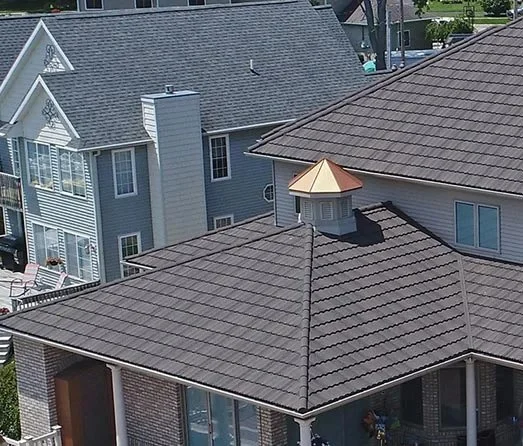
Choosing the right roofing material is one of the most important decisions a Canadian homeowner can make. With harsh winters, temperature swings, snow buildup, and summer heat, your roof must handle constant environmental pressure. A detailed roofing products comparison helps homeowners understand how asphalt, composite, metal, tile, and rubber options perform under real conditions.
Across provinces like Ontario and British Columbia, homeowners are looking for solutions that balance durability, cost, and appearance. The decision often depends not only on price, but also on long-term reliability. A roof that works well in one region may not perform the same in another, especially when heavy snow loads and freeze-thaw cycles come into play.
Local professionals often recommend starting with a material assessment based on climate exposure and structural design. Many homeowners turn to trusted providers such as Pickering Roofing for guidance when comparing products that can withstand Canadian weather.
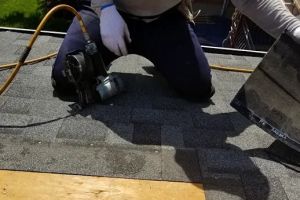
Ck Roofing Solutions / ck roofing solutions
MarkhamRegional Municipality of YorkOntario
8 Hikers Ln, Markham, ON L6B 0K3, Canada
Asphalt, Composite, Metal Options
Among all roofing materials, asphalt, composite, and metal are the most commonly used across Canada. Each offers unique advantages depending on budget, lifespan expectations, and maintenance preferences.
Toitures Bernier et Fils / toitures bernier
QuébecCapitale-NationaleQuébec
1095 Chem. de la Canardière #4, Québec, QC G1J 2C2, Canada
1. Asphalt Shingles: The Popular Standard
Asphalt roofing remains one of the most widely installed options due to affordability and easy installation.
1.1 Why homeowners choose asphalt
It offers a balance between cost and performance. Repairs are simple, and materials are widely available. For many suburban homes, asphalt is still the go-to choice.
1.2 Limitations in colder climates
Extreme cold can make shingles brittle over time. In regions with heavy snowfall, they may require more frequent inspections and maintenance.
2. Composite Roofing: A Modern Upgrade
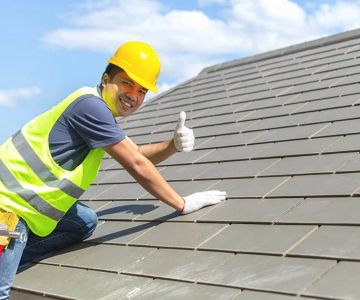
Composite materials are engineered to mimic the appearance of wood or slate while offering improved durability.
2.1 Long-term performance benefits
These materials resist moisture and temperature changes better than traditional options, making them attractive for Canadian climates.
2.2 Aesthetic flexibility
Homeowners who want a premium look without the weight of natural materials often choose composite designs.
3. Metal Roofing: Built for Durability
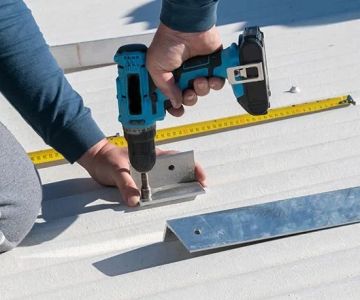
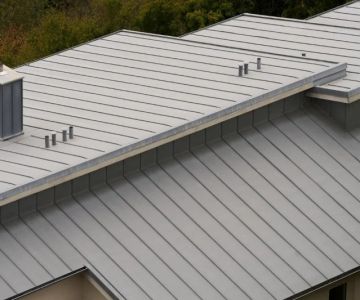
Metal roofing has gained popularity in recent years, especially in areas with harsh winters.
3.1 Snow-shedding capability
Smooth surfaces allow snow to slide off more easily, reducing structural stress.
3.2 Long lifespan potential
When installed correctly, metal roofs can last decades and require less maintenance compared to traditional materials.
Tile And Rubber Roofing
While less common than asphalt or metal, tile and rubber roofing solutions have unique strengths that make them appealing for certain homes.
1. Tile Roofing: Classic Strength
Tile roofs are known for their distinctive appearance and exceptional durability.
1.1 Structural considerations
Because tile is heavier than other materials, homes must be built to support the added weight. When properly installed, tile can withstand decades of exposure.
1.2 Weather resistance
Tile performs well against wind and sun exposure, but freeze-thaw conditions in Canada can sometimes cause cracking if not maintained.
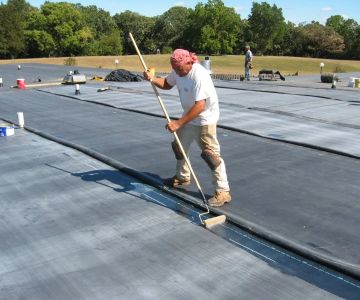
2. Rubber Roofing: Practical Protection
Rubber roofing is often used for flat or low-slope structures, but it’s also becoming more common in residential applications.
2.1 Water resistance advantages
Rubber membranes provide strong protection against leaks and standing water, making them ideal for certain home designs.
2.2 Energy efficiency factors
Some rubber roofing systems reflect heat, helping regulate indoor temperatures during warmer months.
Real Homeowner Experiences
A homeowner in Ontario shared an experience that highlights the importance of careful material selection. After replacing an aging asphalt roof, they considered switching to metal due to repeated winter damage. A neighbor had installed a metal system the previous year and noticed fewer ice buildup issues and lower maintenance costs.
After speaking with local roofing professionals and reviewing different material comparisons, the homeowner decided to invest in a metal roof. Over the next two winters, they reported fewer repair concerns and improved confidence during heavy snowstorms.
Stories like this are common across Canada. Each roofing product serves a different purpose, and the best choice often depends on the specific needs of the home and environment.
How To Select The Best Fit
Choosing between asphalt, composite, metal, tile, and rubber roofing involves more than comparing price tags. It’s about understanding what works best for your home’s structure and the climate conditions it faces year-round.
1. Budget And Long-Term Planning
Some materials cost less upfront but may require more maintenance. Others have higher initial costs but offer longer lifespans and fewer repairs.
1.1 Short-term affordability
Asphalt remains a strong choice for homeowners looking to stay within a tight budget.
1.2 Long-term investment value
Metal and composite materials often provide better durability, which can reduce repair expenses over time.
2. Home Design Compatibility
The style and structure of a home also influence the best roofing option.
2.1 Weight-bearing capacity
Heavier materials like tile require stronger structural support.
2.2 Visual appearance
Different roofing types can dramatically change the look of a home, adding character and curb appeal.
3. Local Climate Considerations
In Canada, climate plays a major role in performance.
3.1 Snow load resistance
Materials that shed snow easily help reduce strain on the structure.
3.2 Moisture protection
Water-resistant systems are essential in regions with heavy rainfall or melting snow.
For homeowners unsure where to start, consulting professionals with local experience can make the process much easier. Many property owners explore product options and installation advice through Pickering Roofing to better understand which materials align with their needs, budget, and climate challenges.
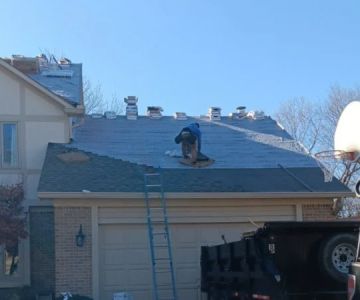
 RonOvations1.0 (1 reviews)
 Vantage Roofing Ltd. - Burnaby Roofers & Roofing Contractors5.0 (40 reviews)
 Booker Construction5.0 (17 reviews)
 Royal Roofing5.0 (3 reviews)
 TRS Building Envelope | TOMTAR Roofing & Sheet Metal4.0 (11 reviews)
 Roofing Peterborough0.0 (0 reviews)
 How Much Does a New Roof Cost in 2025? Canadian Roofing Price Guide
 Top Signs Your Roof Has a Leak and What to Do About It in Canada
 Can You Install a New Roof Over an Old One in Canada?
 The Top Questions to Ask Before Hiring a Roofer in Canada
 What Are the Most Common Roofing Scams and How to Avoid Them in Canada
 How to Prepare Your Home for a Roofing Project in Canada