
- 1 - Understanding the Need for a Full Roof Replacement
- 2 - Key Factors to Consider When Planning a Roof Replacement
- 3 - How to Accurately Budget for a Roof Replacement
- 4 - Choosing the Right Roofing Materials
- 5 - Hiring a Roofing Contractor: What You Need to Know
- 6 - Real-Life Case: Budgeting for a Roof Replacement
1 - Understanding the Need for a Full Roof Replacement
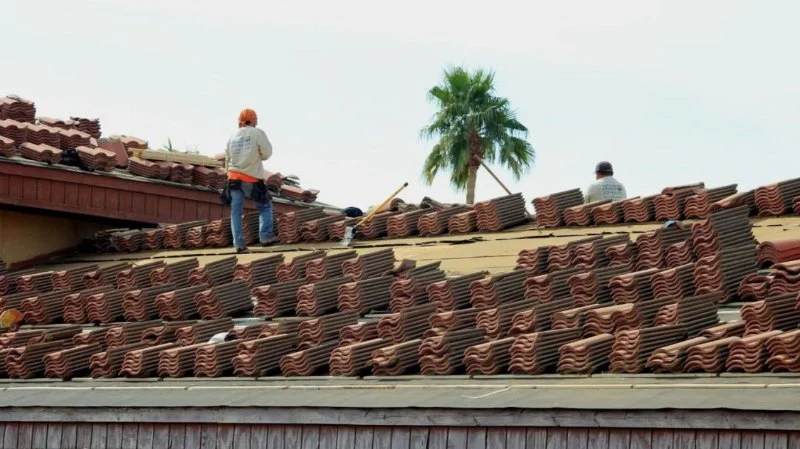
A full roof replacement is a significant investment in your home’s long-term protection. Unlike smaller roof repairs, a complete replacement involves removing the old roofing materials and installing a new roof system. This is typically required when the roof is aging, damaged beyond repair, or no longer providing adequate protection against the elements.
Common signs that indicate the need for a full roof replacement include:
- Frequent leaks or water damage inside the home.
- Visible damage to shingles, tiles, or roofing materials.
- Age of the roof – most roofs last between 20 to 30 years.
- Increased energy bills due to poor insulation or leaks.
If your roof is showing any of these signs, it may be time to consider replacing it to avoid further damage and protect the integrity of your home.
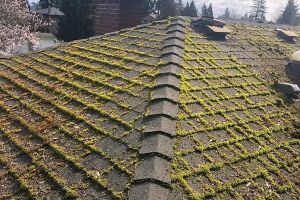
Vancouver Moss Removal / moss removal north vancouver
VancouverMetro VancouverBritish Columbia
1615 Frances St #105, Vancouver, BC V5L 1Z3, Canada
2 - Key Factors to Consider When Planning a Roof Replacement
Before starting a roof replacement project, it’s crucial to plan properly to ensure the project is completed efficiently and within budget. Here are the key factors to consider:
Roof Rescue Ontario Inc. / trudel & sons roofing ltd
Whitchurch-StouffvilleRegional Municipality of YorkOntario
164 Hawthorn Ave, Whitchurch-Stouffville, ON L4A 4Y8, Canada
2.1 - Roof Size and Complexity
The size of your roof plays a significant role in the overall cost of replacement. Larger roofs require more materials and labor, increasing the total project cost. Additionally, roofs with multiple angles, dormers, or chimneys can be more complex to work on, which might add to the labor costs.
2.2 - Roof Pitch and Slope
The pitch or slope of your roof can also affect the complexity and cost of the replacement. Steeper roofs may require special safety equipment for workers, and handling materials on steep surfaces can take more time and effort.
2.3 - Weather and Seasonal Considerations
Timing your roof replacement is also important. In Canada, extreme weather conditions, such as heavy snow or rain, can delay the project or increase the cost of materials. Plan to replace your roof during the spring or fall when the weather is milder and more predictable.
3 - How to Accurately Budget for a Roof Replacement
Budgeting for a roof replacement involves more than just calculating the cost of materials. There are several factors that can influence the final cost:
3.1 - Materials Cost
The type of roofing materials you choose can significantly impact the overall cost. Asphalt shingles, which are the most common and affordable option, may cost less than metal roofing, slate, or tile. While premium materials like slate may have a higher upfront cost, they can provide better durability and longer life, potentially saving you money in the long run.
3.2 - Labor Costs
Labor is another major component of your roofing budget. Labor costs can vary based on the complexity of your roof, the contractor’s expertise, and the local market rates. Be sure to get several estimates from contractors to ensure competitive pricing.
3.3 - Additional Costs
In addition to materials and labor, other costs might include permits, disposal of old roofing materials, and potential repairs to underlying structures, such as damaged decking or supports. It’s essential to account for these potential costs when setting your budget.
3.4 - Contingency Fund
It’s wise to set aside a contingency fund (typically 10-15% of your total budget) to cover unexpected expenses during the project. These can include additional repairs or material shortages that may arise once work begins.
4 - Choosing the Right Roofing Materials
Choosing the right roofing material is one of the most critical decisions you’ll make when planning your roof replacement. Here are some popular options:
4.1 - Asphalt Shingles
Asphalt shingles are the most common roofing material due to their affordability and ease of installation. They are available in a range of styles and colors, offering a traditional look and dependable performance for most Canadian homes.
4.2 - Metal Roofing
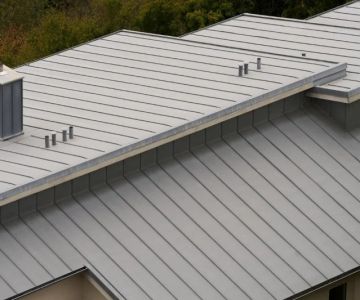
Metal roofs are durable and energy-efficient, offering excellent protection against extreme weather conditions. They can be a more expensive option but provide long-term value due to their longevity and resistance to damage from snow, ice, or hail.
4.3 - Slate and Tile Roofing
Slate and tile roofs offer exceptional durability and aesthetic appeal. They are ideal for homes looking for a classic look or homeowners seeking a long-lasting, premium roofing solution. However, they tend to be more expensive due to material and installation costs.
4.4 - Wood Shingles
Wood shingles or shakes offer a natural, rustic look, but they require more maintenance than other materials. They are typically suited for specific architectural styles and can be more costly depending on the wood type and installation complexity.
5 - Hiring a Roofing Contractor: What You Need to Know
Hiring the right roofing contractor is essential to ensure a smooth and successful roof replacement project. Here are a few things to look for when choosing a contractor:
5.1 - Experience and Reputation
Look for contractors with extensive experience in roof replacements, particularly in your local area. A reputable contractor should have a solid track record and positive reviews from previous clients.
5.2 - Licensing and Insurance
Ensure that the contractor is fully licensed and insured. This protects you from liability in case of accidents or damage during the project and ensures the contractor complies with local building codes.
5.3 - Detailed Written Estimate
Ask for a detailed written estimate that includes a breakdown of material costs, labor costs, and any additional fees. This helps avoid surprises later on and gives you a clear understanding of the total cost of the project.
6 - Real-Life Case: Budgeting for a Roof Replacement
Consider the example of the Thompson family in Ontario, who needed to replace their aging roof. After noticing leaks and significant wear, they decided to proceed with a full roof replacement. They worked with a contractor from Pickering Roofing who helped them plan and budget for the project.
By choosing asphalt shingles for their roof and timing the project for the fall, they were able to keep costs down. The contractor provided a detailed estimate, which included the cost of materials, labor, permits, and disposal fees. The project went smoothly, and the Thompsons were able to enjoy a new roof that provided better insulation and protection against the Canadian weather.
This real-life example highlights the importance of planning and budgeting for a roof replacement to ensure that the project stays on track and within budget.
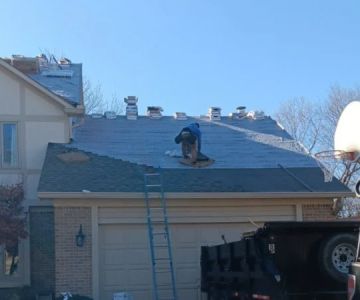
 Pro Guard Roofing Toronto5.0 (13 reviews)
 Toronto’s Roof Doctor4.0 (33 reviews)
 FIRST RATE MASONRY & ROOFING0.0 (0 reviews)
 Pacific West Roofing & Exteriors4.0 (10 reviews)
 R. Wilton Aluminum4.0 (14 reviews)
 Paramount Roofing & Renovations | Ottawa Siding & Windows and Doors Specialized Contractor5.0 (8 reviews)
 How Much Does a New Roof Cost in 2025? Canadian Roofing Price Guide
 Top Signs Your Roof Has a Leak and What to Do About It in Canada
 Can You Install a New Roof Over an Old One in Canada?
 The Top Questions to Ask Before Hiring a Roofer in Canada
 What Are the Most Common Roofing Scams and How to Avoid Them in Canada
 How to Prepare Your Home for a Roofing Project in Canada