
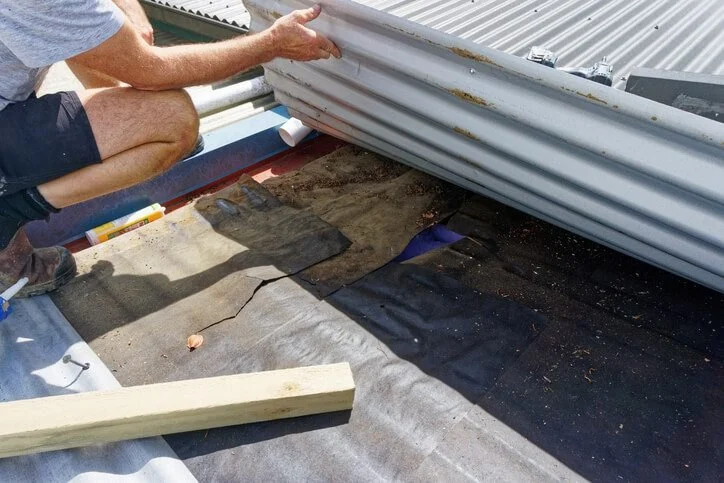
- sagging-roof-deck-canada
- common-causes-of-sagging-roof-deck
- how-canadian-weather-affects-roof-structure
- signs-your-roof-deck-may-be-failing
- how-serious-is-a-sagging-roof-deck
- repair-options-for-sagging-roof-deck
- preventing-roof-deck-damage-in-canada
Sagging Roof Deck in Canada: What Causes It and How Serious Is It?
A roof is one of the most important protective systems of any Canadian home. It shields families from heavy snowfall, freezing temperatures, rain, wind, and seasonal weather changes. However, many homeowners do not realize that problems can develop beneath the visible shingles and roofing materials. One of the most concerning issues is a sagging roof deck in Canada.
A sagging roof deck is more than a cosmetic concern. It can indicate damage to the wooden panels, weakened structural supports, moisture problems, or excessive weight on the roof system. If ignored, a small area of sagging can become a larger structural problem that affects the safety and value of a home.
Many homeowners first notice the issue when they see uneven lines along the roof surface, dips between roof sections, or changes inside the attic. Understanding what causes roof decking to sag and how serious the problem is can help property owners take action before expensive damage occurs.
Flynn Canada Ltd. - Ottawa / flynn ottawa
1655 Comstock Rd, Gloucester, ON K1B 5L2, Canada
Common Causes of a Sagging Roof Deck
1. Excessive Snow Weight During Canadian Winters
One of the biggest contributors to a sagging roof deck in Canada is the heavy snow load that many regions experience every winter. Snow may appear lightweight when freshly fallen, but as it accumulates and becomes compacted or mixed with ice, the weight can increase significantly.
Older homes are especially vulnerable because their roof structures may not have been designed for modern weather patterns or heavier seasonal loads. Repeated winters with large amounts of snow can gradually weaken roof decking and supporting materials.
For example, a homeowner in Ontario may notice a slight dip in the roofline after several winters with frequent snowstorms. While the roof may not collapse immediately, the repeated stress can slowly reduce the strength of the roof system.

Toitures Bernier et Fils / toitures bernier
QuébecCapitale-NationaleQuébec
1095 Chem. de la Canardière #4, Québec, QC G1J 2C2, Canada
2. Water Damage and Roof Leaks
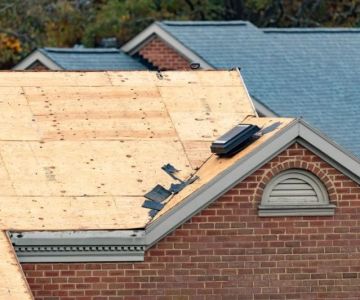
Moisture is another major cause of roof deck problems. When roofing materials fail, water can enter the roof assembly and soak into the wooden decking underneath.
Roof decking materials such as plywood or oriented strand board can weaken when exposed to moisture over long periods. The wood may absorb water, lose its structural strength, and begin to bend or sag.
Common sources of moisture damage include:
- Damaged or missing shingles
- Failed flashing around chimneys and vents
- Blocked gutters causing water backup
- Ice dams forming during winter
- Poor attic ventilation creating condensation
3. Aging Roofing Materials
Like many parts of a home, roof systems have a limited lifespan. Over time, materials naturally weaken due to exposure to sunlight, temperature changes, moisture, and repeated weather cycles.
An older roof may develop problems that are not immediately visible from the outside. The shingles may still appear acceptable while the underlying roof deck has already started deteriorating.
Regular inspections become increasingly important as a roof approaches the later stages of its expected service life.
4. Poor Original Roof Construction
Sometimes a sagging roof deck is connected to problems that existed when the roof was originally built. Incorrect installation, insufficient support, or poor-quality materials can create weaknesses that become noticeable years later.
Examples include:
- Roof rafters that are spaced too far apart
- Improperly installed roof decking panels
- Insufficient structural reinforcement
- Incorrect roof slope design
These issues may remain hidden until the roof experiences significant stress from snow, storms, or moisture exposure.
How Canadian Weather Affects Roof Structure
1. Freeze and Thaw Cycles
Canadian climates often involve repeated freezing and thawing conditions. During the day, temperatures may rise enough for snow and ice to melt. At night, the moisture freezes again.
This cycle can create movement within roofing materials. Water can enter small cracks, freeze, expand, and gradually increase damage over time.
For roof decking, repeated moisture exposure can weaken wood fibers and contribute to uneven areas across the roof surface.
2. Ice Dams and Hidden Moisture Problems
Ice dams are a common winter roofing problem in many Canadian homes. They form when heat from inside the home melts snow on the upper roof area. The melted water flows downward and refreezes near the roof edge.
When ice blocks normal drainage, water may back up underneath roofing materials. This can lead to leaks that damage the roof deck from underneath.
Homeowners often do not notice this type of damage until they see interior warning signs such as water stains or ceiling discoloration.
3. Strong Winds and Storm Damage
Canada experiences powerful wind events that can damage roofing systems. High winds may loosen shingles, damage flashing, or create openings where water can enter.
After a major storm, a roof may appear normal from the ground while hidden damage has already occurred beneath the surface.
Signs Your Roof Deck May Be Failing
1. Visible Roof Dips or Uneven Areas
The most obvious sign of a sagging roof deck is a visible change in the roof shape. Homeowners may notice:
- Areas that appear lower than surrounding sections
- Wavy roof lines
- Uneven shingles
- Depressions along roof surfaces
While small visual changes may seem harmless, they can indicate underlying structural concerns.
2. Interior Ceiling and Attic Warning Signs
Problems with roof decking can also appear inside the home. Common warning signs include:
- Water stains on ceilings
- Cracks near ceiling corners
- Visible moisture in the attic
- Soft or damaged insulation
- Musty odors
Attic inspections can reveal problems before they become visible in living areas.
3. Doors and Windows Becoming Difficult to Operate
In some cases, structural movement caused by roof or framing issues may affect other parts of the home. Homeowners may notice doors sticking or gaps appearing around windows.
These signs do not always mean the roof is failing, but they can indicate that the home should receive a professional assessment.
How Serious Is a Sagging Roof Deck?
1. Minor Sagging Versus Structural Damage
Not every uneven roof surface means immediate danger. Some minor issues may involve localized decking damage that can be repaired without replacing the entire roof structure.
However, significant sagging can indicate weakened structural components. The seriousness depends on factors such as:
- The size of the affected area
- The cause of the sagging
- The condition of roof supports
- The amount of moisture damage
- The age of the roofing system
2. Potential Safety Risks
A severely damaged roof deck may not properly support snow loads, especially during heavy Canadian winters. In extreme cases, structural failure can occur.
Even when collapse is unlikely, ignoring roof deck problems can lead to:
- More expensive repairs
- Interior water damage
- Mold growth
- Reduced property value
- Additional structural deterioration
3. Impact on Home Value
Roof problems can influence how potential buyers view a property. A sagging roof deck may raise concerns during home inspections and affect negotiations during a sale.
Addressing roof issues early can help protect both the safety and financial value of a home.
Repair Options for a Sagging Roof Deck
1. Replacing Damaged Roof Decking
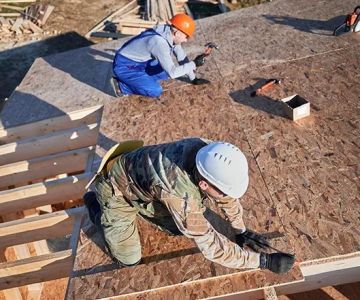
If the problem is limited to specific sections, roofing professionals may remove damaged decking panels and replace them with new materials.
This approach is common when moisture damage has affected certain areas but the overall roof structure remains strong.
2. Strengthening Roof Support Structures
When sagging is caused by weakened rafters or structural issues, additional reinforcement may be required.
This type of repair involves more than replacing surface materials because the underlying support system must be addressed.
3. Complete Roof Replacement
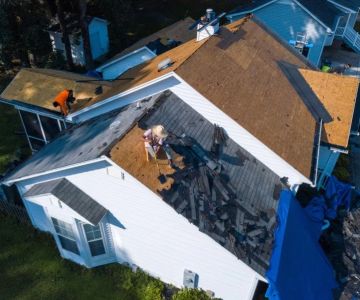
In cases where extensive damage exists, a complete roof replacement may be the most practical solution. This allows professionals to inspect the entire roof system and correct hidden problems.
Homeowners looking for professional guidance can consult roofing specialists such as Pickering Roofing to evaluate roof deck conditions, identify causes, and determine the most suitable repair approach.
Preventing Roof Deck Damage in Canada
1. Schedule Regular Roof Inspections
Routine inspections can identify small problems before they become major repairs. Professional roof checks are especially valuable after severe storms or before winter begins.
An inspection can reveal:
- Early signs of moisture damage
- Damaged shingles
- Weak flashing areas
- Ventilation problems
2. Maintain Gutters and Drainage Systems
Proper water drainage protects the roof structure. Blocked gutters can allow water to collect near the roof edge and increase the risk of leaks.
Homeowners should regularly remove leaves, ice buildup, and debris to maintain proper drainage.
3. Improve Attic Ventilation and Insulation
A healthy attic environment helps reduce moisture problems. Proper ventilation controls temperature differences and reduces condensation.
Good insulation and ventilation also help prevent ice dams, which are a common cause of winter roof damage.
4. Address Roof Problems Quickly
Many serious roofing issues begin as small problems. A missing shingle, minor leak, or small area of damage may seem unimportant, but delaying repairs can allow the problem to spread.
Canadian homeowners should pay attention to changes in their roof appearance and act quickly when warning signs appear.
Understanding Your Roof’s Condition
A sagging roof deck in Canada should never be ignored. While the cause may range from minor moisture damage to serious structural problems, early detection is the key to preventing larger issues.
Canadian weather creates unique challenges for roofing systems, including heavy snow, ice buildup, temperature changes, and moisture exposure. By understanding the warning signs and maintaining regular roof care, homeowners can protect their properties for many years.
A strong roof is not only about appearance. It is about keeping the structure beneath safe, stable, and prepared for the demanding Canadian climate.

 Best Price Roofing & Renovations Inc5.0 (4 reviews)
 Atlas-Apex Roofing Inc.5.0 (1 reviews)
 Libra Envelope Metal Shop5.0 (1 reviews)
 T.O. Roofing & Snowplowing4.0 (5 reviews)
 King Koating3.0 (23 reviews)
 A-OK Roofing4.0 (111 reviews)
 How Much Does a New Roof Cost in 2025? Canadian Roofing Price Guide
 Top Signs Your Roof Has a Leak and What to Do About It in Canada
 Can You Install a New Roof Over an Old One in Canada?
 The Top Questions to Ask Before Hiring a Roofer in Canada
 What Are the Most Common Roofing Scams and How to Avoid Them in Canada
 How to Prepare Your Home for a Roofing Project in Canada