
What You Need to Know About Snow Load Building Codes in Canada
- 1- Introduction to Snow Load Building Codes
- 2- Why Snow Load Building Codes Are Crucial
- 3- Key Snow Load Standards in Canada
- 4- How Snow Load Calculations Are Made
- 5- Ensuring Compliance with Snow Load Codes
1- Introduction to Snow Load Building Codes
In Canada, snow load building codes play an essential role in ensuring that structures can safely withstand the weight of snow that accumulates during the winter months. These regulations are set to prevent structural failures and safeguard buildings, especially in regions prone to heavy snowfall. Understanding how these codes work can be crucial for architects, builders, and homeowners alike.
This article provides a comprehensive overview of snow load building codes in Canada, why they matter, and how you can ensure your building complies with them.
2- Why Snow Load Building Codes Are Crucial
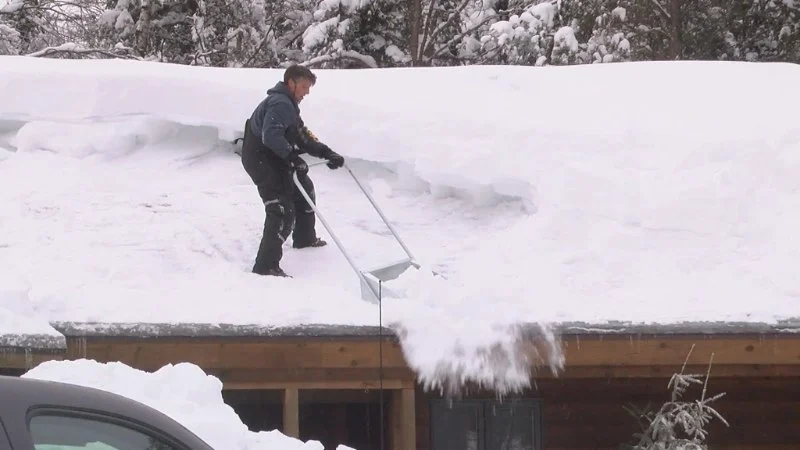
Snow load refers to the weight of snow and ice that accumulates on a roof or structure. If a building is not designed to handle this load, it can lead to serious structural damage, including roof collapse. Canada, with its diverse climates, faces a range of snow conditions, from light dustings to deep accumulations that require specific design considerations.
Adhering to snow load building codes is vital for several reasons:
- Safety: Ensures that structures are safe for residents, workers, and visitors.
- Durability: Helps in prolonging the lifespan of the building by minimizing weather-related damages.
- Compliance: Prevents legal issues by ensuring adherence to national and provincial building regulations.
3- Key Snow Load Standards in Canada
In Canada, snow load building codes are outlined in the National Building Code of Canada (NBC). The codes provide specific snow load values based on geographical location, elevation, and the type of building. The snow load standards vary depending on whether the structure is located in an area with heavy snow accumulation or in regions with milder winters.
Key aspects of snow load codes in Canada include:
- Location-Specific Standards: Snow load values are based on historical weather data specific to regions of Canada. Areas like British Columbia, Quebec, and the Prairies are known for higher snow loads.
- Roof Slope Considerations: The steeper the roof, the less snow tends to accumulate. The building code takes this into account when determining load requirements.
- Type of Structure: Residential, commercial, and industrial buildings may have different snow load requirements depending on their purpose and usage.
4- How Snow Load Calculations Are Made
Snow load calculations are determined using a combination of factors, including the location of the building, the design of the roof, and historical snow data. The National Building Code of Canada outlines formulas for calculating snow loads based on these factors.
The calculation process typically involves:
- Ground Snow Load: This is the initial snow load value based on the location of the building. It’s typically measured in pounds per square foot (psf).
- Roof Slope Adjustment: The roof's slope can affect how much snow accumulates, so the calculation includes an adjustment factor based on the slope.
- Exposure Factor: Buildings in open areas are exposed to higher snow loads, while those in sheltered areas may have lower loads.
5- Ensuring Compliance with Snow Load Codes
Ensuring that a building is designed to meet snow load codes is critical for both safety and regulatory compliance. Here are steps you can take to ensure compliance:
- Work with Certified Engineers: Always consult with a structural engineer who understands the snow load requirements for your specific region.
- Follow Local Building Codes: While the National Building Code provides general guidelines, local municipalities may have additional regulations regarding snow loads.
- Conduct Regular Inspections: Especially in areas prone to heavy snow, it’s important to regularly inspect roofs and structures for signs of stress or damage from snow accumulation.
By taking these proactive measures, you can avoid costly repairs and ensure the long-term safety of your building.


 Barker Roofing & Siding Ltd.4.0 (9 reviews)
 Rycon Roofing5.0 (1 reviews)
 MARCO VALADE REGISTERED3.0 (3 reviews)
 Hymask Construction Group3.0 (28 reviews)
 Top's Roofing Company4.0 (65 reviews)
 Noor roofing5.0 (4 reviews)
 How Much Does a New Roof Cost in 2025? Canadian Roofing Price Guide
 Top Signs Your Roof Has a Leak and What to Do About It in Canada
 Can You Install a New Roof Over an Old One in Canada?
 The Top Questions to Ask Before Hiring a Roofer in Canada
 What Are the Most Common Roofing Scams and How to Avoid Them in Canada
 How to Prepare Your Home for a Roofing Project in Canada