
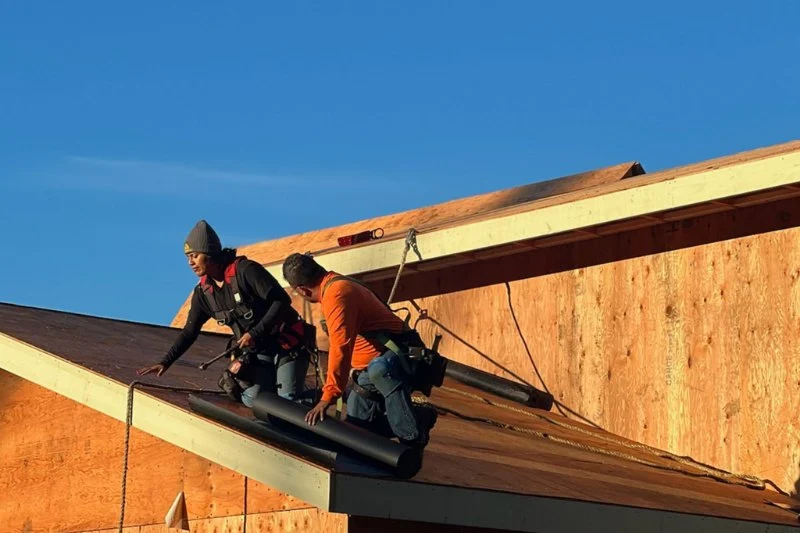
What to Expect from Roofing Material Testing & Certifications in Canada
- 1. Introduction to Roofing Material Testing in Canada
- 2. Importance of Roofing Material Certifications
- 3. The Testing Process for Roofing Materials
- 4. Understanding Certifications for Roofing Materials
- 5. How to Choose the Right Certified Roofing Materials
1. Introduction to Roofing Material Testing in Canada
When it comes to building or renovating a home in Canada, selecting the right roofing material is critical for both durability and safety. Roofing material testing ensures that the products you choose meet the highest quality standards and are suitable for Canadian weather conditions. In this article, we'll explore what you can expect from roofing material testing and certifications in Canada, helping you make an informed decision for your next roofing project.
2. Importance of Roofing Material Certifications
Roofing material certifications play a crucial role in ensuring that your roof performs well over time, especially in Canada's harsh climate. With extreme temperatures, heavy snowfall, and high winds, roofing materials must withstand these conditions to provide long-term protection. Certified materials are tested to meet specific requirements for fire resistance, durability, and energy efficiency. Choosing certified materials guarantees that you're investing in products that have been thoroughly tested and proven to perform reliably under Canadian conditions.
3. The Testing Process for Roofing Materials
The testing process for roofing materials typically involves a series of rigorous procedures to assess various aspects of performance, including:
- Fire Resistance: Roofs must be able to resist catching fire from external sources, such as sparks or nearby wildfires. Testing evaluates how well the material resists ignition and how it behaves under extreme heat.
- Wind Resistance: Roofing materials are tested to determine how well they can withstand high winds, which are common in many regions of Canada, especially during storms and winter conditions.
- Impact Resistance: Materials are tested for their ability to endure impacts, such as hail or falling debris, which can cause significant damage if not properly accounted for.
- Energy Efficiency: Roofing materials must also contribute to a home’s energy efficiency, helping to regulate temperature and reduce heating and cooling costs. Testing ensures that the materials have proper insulation properties.
4. Understanding Certifications for Roofing Materials
In Canada, various organizations provide certifications to roofing materials based on their performance in the testing process. Some of the most recognized certifications include:
- CSA (Canadian Standards Association): CSA sets the standards for roofing materials, ensuring they meet specific safety and performance guidelines. A CSA certification is a reliable indicator that the material has undergone thorough testing.
- Energy Star Certification: Roofing materials with an Energy Star certification meet energy efficiency standards and help reduce the environmental impact by lowering energy consumption.
- Underwriters Laboratories (UL) Certification: UL provides testing and certification for roofing materials to ensure they meet fire and safety standards. UL-certified products are recognized for their reliability and quality.
5. How to Choose the Right Certified Roofing Materials
Choosing the right roofing materials can be overwhelming, but understanding the importance of certifications and testing can guide your decision. Here are some tips to consider when selecting roofing materials:
- Consider Your Local Climate: Different areas of Canada experience different weather conditions. Be sure to choose materials that are suited to the climate in your region. For example, materials with high wind resistance may be more important in coastal areas.
- Evaluate Energy Efficiency: Look for roofing materials that can help keep your home energy-efficient, especially if you live in areas with extreme temperatures. An energy-efficient roof can save you money on heating and cooling bills in the long run.
- Check for Proper Certifications: Always ensure that the materials you're considering come with proper certifications from recognized testing bodies like CSA or UL. This guarantees that the materials have been tested for performance and safety.
- Seek Professional Advice: If you're unsure which materials to choose, consult with a professional roofer who can guide you toward the best options based on your needs and the specific requirements of your home.
In conclusion, roofing material testing and certifications are essential for ensuring the long-term durability, safety, and energy efficiency of your roof. By choosing certified materials, you can rest assured that your roof will perform well against the challenges of the Canadian climate, providing you with peace of mind for many years.

 Ever Roof Inc0.0 (0 reviews)
 The Roofers5.0 (120 reviews)
 I Roof Alberta4.0 (34 reviews)
 Rydel Roofing - South Shore Montreal5.0 (100 reviews)
 White gold roofing inc0.0 (0 reviews)
 Cactus Roofing Ltd3.0 (27 reviews)
 How Much Does a New Roof Cost in 2025? Canadian Roofing Price Guide
 Top Signs Your Roof Has a Leak and What to Do About It in Canada
 Can You Install a New Roof Over an Old One in Canada?
 The Top Questions to Ask Before Hiring a Roofer in Canada
 What Are the Most Common Roofing Scams and How to Avoid Them in Canada
 How to Prepare Your Home for a Roofing Project in Canada