
- 1- Introduction to Roof Structure
- 2- What is a Ridge Board?
- 3- The Importance of Rafter Spacing
- 4- How Ridge Board and Rafter Spacing Contribute to Roof Strength
- 5- Key Considerations for Roofing Projects
1- Introduction to Roof Structure
The strength and stability of a roof depend on several factors, from the quality of the materials used to the overall design of the structure. Among the most crucial elements are the ridge board and rafter spacing, both of which play significant roles in ensuring that the roof can withstand various environmental factors, including strong winds and heavy snow loads. Understanding how these components work together will help you make informed decisions when constructing or maintaining a roof.
Toitures Garant et Frères Inc / toiture garant
LévisChaudière-AppalachesQuébec
6615 Rue Alfred-Pellan, Lévis, QC G6V 9S9, Canada
2- What is a Ridge Board?
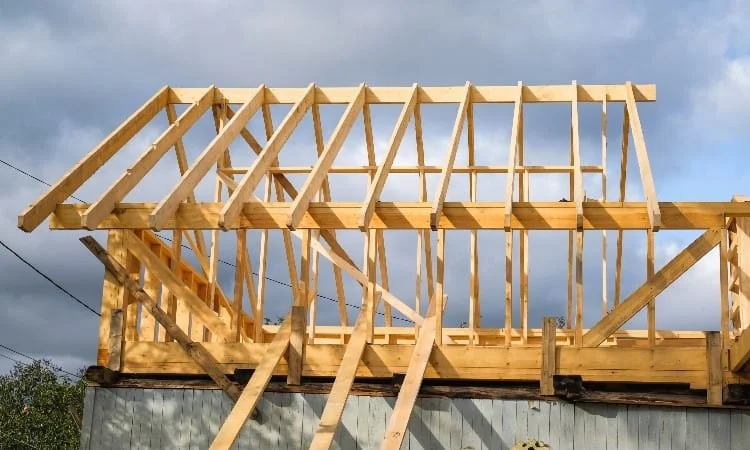
A ridge board is a horizontal beam that runs along the peak of a roof, where the rafters meet. It serves as a support structure that holds the rafters in place, ensuring the roof has proper alignment. Ridge boards are typically made of wood, steel, or other strong materials depending on the type of roof and the required strength. It is important to choose the right size and material for the ridge board to support the weight of the roof structure.
Key functions of a ridge board include:
- Providing Structural Support: The ridge board acts as the backbone of the roof, helping distribute the load of the roof evenly across the structure.
- Maintaining Roof Alignment: By keeping the rafters in place, the ridge board ensures that the roof is symmetrical, which is important for both aesthetics and stability.
- Allowing for Ventilation: Ridge boards often have vent openings to allow for airflow in the attic, which helps regulate temperature and moisture levels within the roof space.
3- The Importance of Rafter Spacing
Rafter spacing refers to the distance between each rafter, which are the sloping beams that support the roof covering. Proper rafter spacing is essential for the structural integrity of the roof. If the rafters are too far apart, the roof may lack stability and could sag or collapse under heavy loads, such as snow, rain, or high winds.
Key factors affecting rafter spacing include:
- Roof Pitch: A steeper roof pitch generally requires closer rafter spacing to ensure that the load is evenly distributed.
- Roof Material: Different roofing materials, such as tiles, shingles, or metal, may have different load-bearing capacities, which will influence the appropriate spacing for the rafters.
- Structural Load: The weight of the roofing material, along with environmental loads such as snow or wind, should be considered when determining the optimal spacing for rafters.
4- How Ridge Board and Rafter Spacing Contribute to Roof Strength
The combination of a properly installed ridge board and correctly spaced rafters directly impacts the roof’s strength. The ridge board helps hold the rafters in place, ensuring they maintain the correct alignment and evenly distribute the roof load. Rafter spacing, on the other hand, dictates the overall structural capacity of the roof, ensuring that it can handle various stresses without failing.
When both elements are properly designed, the roof will have the necessary support to withstand harsh weather conditions such as strong winds, heavy snowfalls, or even seismic activity in certain regions. Together, they provide a strong foundation that ensures the longevity and safety of the roof structure.

Ottawa Eavestrough Group / eavestrough repair ottawa
340 Albert St, Ottawa, ON K1R 7Y6, Canada
5- Key Considerations for Roofing Projects
When designing or replacing a roof, it’s important to consider the following factors to ensure the strength and durability of the roof:
- Building Codes: Always check local building codes to determine the required specifications for ridge boards and rafter spacing based on your area’s climate and environmental conditions.
- Material Choices: Choose high-quality materials that are designed to support the weight and load of the roof. Consider upgrading to stronger materials if you live in an area prone to extreme weather.
- Professional Installation: Proper installation is key to ensuring that the ridge board and rafters are placed correctly and meet structural requirements. Consult with a professional roofer to ensure your roof is built to last.
- Maintenance: Regularly inspect the ridge board, rafters, and other roof components for signs of wear and tear. Early detection of any issues can prevent more costly repairs down the line.
Understanding the role of the ridge board and rafter spacing in roof strength is essential for anyone involved in roof construction or maintenance. By ensuring these elements are properly installed and maintained, you can create a safer, more durable roof for your home.
If you're planning a roofing project or need advice on roof construction, visit Pickering Roofing for expert guidance and the best products for your needs.


 CentiMark Ltd.3.0 (3 reviews)
 Alpine Roofing4.0 (484 reviews)
 Toitures Martin Roussel Enr (Les)5.0 (1 reviews)
 GBS Contracting Services4.0 (37 reviews)
 D.S Roofing4.0 (161 reviews)
 A & M Roofing3.0 (11 reviews)
 How Much Does a New Roof Cost in 2025? Canadian Roofing Price Guide
 Top Signs Your Roof Has a Leak and What to Do About It in Canada
 Can You Install a New Roof Over an Old One in Canada?
 The Top Questions to Ask Before Hiring a Roofer in Canada
 What Are the Most Common Roofing Scams and How to Avoid Them in Canada
 How to Prepare Your Home for a Roofing Project in Canada