
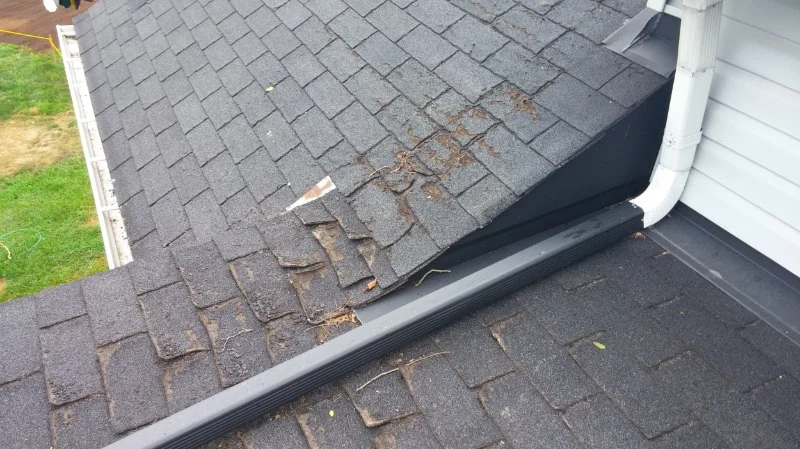
- 1. Unseen Leaks: How to Identify Them Before Winter
- 2. Missing or Damaged Shingles: A Common Issue
- 3. Visible Roof Damage: What to Look For
- 4. Moss and Algae Growth: What It Means for Your Roof
- 5. Inconsistent Roof Inspection: The Importance of Regular Checks
- 6. Faulty Flashing: How It Affects Roof Protection
- 7. Ice Dams: Why They’re a Major Concern in Canada
1. Unseen Leaks: How to Identify Them Before Winter
Leaks in your roof can be elusive, especially during the summer or fall months. However, ignoring them can lead to serious damage when winter brings heavy snow and freezing temperatures. To catch leaks early, inspect your attic for signs of water stains or dampness. You might also notice increased energy bills due to heat loss.
Case Study: A homeowner in Toronto noticed that their attic insulation was damp after a rainy season. Upon closer inspection, they discovered small leaks around the roof joints. By repairing these before the winter freeze, they prevented major water damage that could have led to mold growth and costly repairs later.
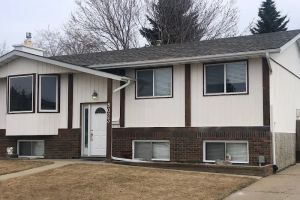
Edmonton Roofing Company / replace roof edmonton
8023 182 St NW, Edmonton, AB T5T 0T6, Canada
2. Missing or Damaged Shingles: A Common Issue
Missing or damaged shingles are one of the most common indicators that your roof needs repair. These shingles protect your home from rain and snow, so any gaps can cause significant water damage when the weather worsens. If you spot any shingles that are curled, cracked, or missing, it's time for a repair.
Tip: Regularly check your roof after major storms, as strong winds can easily displace shingles. If you notice any issues, be sure to get them fixed before the winter freeze.
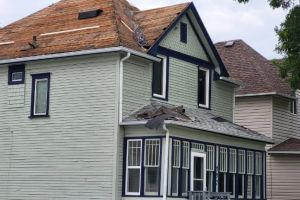
XACT Roof & Renovation Ltd. / xact roofing
227 Regent Ave W, Winnipeg, MB R2C 1R3, Canada
3. Visible Roof Damage: What to Look For
Visible damage to your roof can range from cracks to holes, and it’s crucial to address these issues before the first snowstorm. If you can see daylight through your roof or if there are large areas of visible damage, it’s a clear sign that repairs are needed.
Real Example: In Ottawa, a homeowner noticed cracked roofing tiles that had been damaged by recent heavy winds. By scheduling a repair before winter, they avoided potential leaks and ensured their roof could withstand the harsh Canadian winter conditions.
4. Moss and Algae Growth: What It Means for Your Roof
Moss and algae can form on your roof if it stays damp for extended periods, particularly in shaded areas. This growth can damage the shingles, causing them to lift and degrade over time. If you notice moss or algae growth, it’s time to clean your roof and inspect for any damage it may have caused.
Why It’s Important: Moss retention on your roof can cause shingle damage and reduce the roof’s effectiveness at keeping out water. Early removal and repairs prevent further issues before the cold weather sets in.
5. Inconsistent Roof Inspection: The Importance of Regular Checks
Failing to inspect your roof regularly can lead to overlooking small issues that later become larger, more expensive problems. Routine inspections before the start of winter help ensure that your roof is in good condition and ready to handle the colder months. Look for loose nails, cracked shingles, or areas of wear and tear.
Expert Tip: It’s always a good idea to hire a professional roofing company, like Pickering Roofing, for an annual inspection. They have the expertise to spot issues that may go unnoticed by an untrained eye.
6. Faulty Flashing: How It Affects Roof Protection
Flashing is the metal material around roof edges, chimneys, and vents that helps prevent water from seeping into your home. If the flashing is loose, cracked, or damaged, it can lead to leaks and water damage. Be sure to inspect the flashing around these vulnerable points and replace any damaged sections before winter.
Real-Life Scenario: A Vancouver homeowner experienced leaks near their chimney because the flashing had deteriorated over time. By replacing the flashing before the first snow, they avoided costly repairs and water damage.
7. Ice Dams: Why They’re a Major Concern in Canada
Ice dams form when snow on the roof melts and refreezes at the edges, causing a build-up of ice. This can lead to water backing up under the shingles and potentially leaking into your home. Ice dams are a major concern for Canadian homeowners, especially during heavy snowfalls. It’s essential to keep your attic insulated and ventilated to prevent ice dams from forming.
Prevention Tip: Installing heat cables along the roof’s edge can help prevent ice dams from forming. Proper insulation and ventilation in your attic will also reduce the risk of ice dam-related damage.
Final Thoughts
Taking the time to inspect and repair your roof before winter sets in can save you significant costs in the long run. Don't wait until it's too late—addressing issues like leaks, damaged shingles, and faulty flashing now can prevent serious damage later. For expert roofing services in Canada, visit Pickering Roofing to get the best materials and advice for your roofing needs.
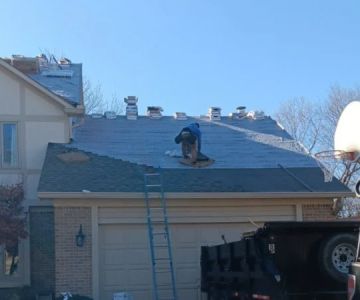


 Zenith Roofing0.0 (0 reviews)
 Empire Roofing Corporation4.0 (19 reviews)
 Toitures Paradis5.0 (165 reviews)
 ARF EXTERIOR CONSTRUCTION INC.0.0 (0 reviews)
 Nicety roofing5.0 (1 reviews)
 Master Metal Men5.0 (3 reviews)
 How Much Does a New Roof Cost in 2025? Canadian Roofing Price Guide
 Top Signs Your Roof Has a Leak and What to Do About It in Canada
 Can You Install a New Roof Over an Old One in Canada?
 The Top Questions to Ask Before Hiring a Roofer in Canada
 What Are the Most Common Roofing Scams and How to Avoid Them in Canada
 How to Prepare Your Home for a Roofing Project in Canada