
- what-is-roof-pitch-and-how-its-measured
- why-roof-pitch-matters-in-canadian-homes
- different-pitch-types-and-their-benefits
- how-roof-pitch-affects-material-choice-and-longevity
- real-life-examples-across-canada
- pickering-roofings-approach-to-smart-roof-design
1. What Is Roof Pitch and How It’s Measured
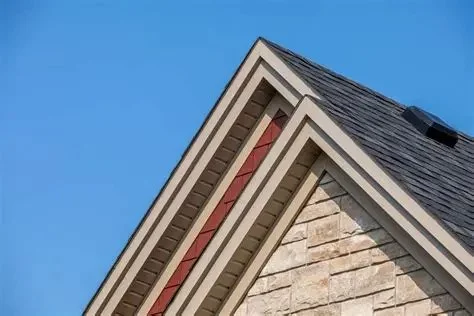
Roof pitch refers to the angle or steepness of your roof and is usually expressed as a ratio — for example, 6:12 means the roof rises 6 inches for every 12 inches of horizontal run. In Canada, roof pitches can vary widely based on regional weather, home style, and construction era.
Most Canadian homeowners don’t think much about pitch — until it becomes a factor in roof replacement or repair. Yet this simple ratio influences everything from water drainage to aesthetic design to material choice. Understanding it helps homeowners make smarter, more efficient decisions.
Flynn Canada Ltd. - Ottawa / flynn ottawa
1655 Comstock Rd, Gloucester, ON K1B 5L2, Canada
2. Why Roof Pitch Matters in Canadian Homes
2.1 Snow Load and Drainage
In snowy regions like Alberta, Quebec, or Northern Ontario, steeper roof pitches help snow slide off naturally, reducing the risk of heavy snow buildup and structural stress. Shallow or flat roofs often require special engineering to handle snow loads, or they risk water pooling and ice dam formation.
Horizon Roofing Ltd / horizon roofing
3735 Cabana Road E, Windsor, ON N8V 0A5, Canada
2.2 Ventilation and Attic Space
Higher-pitched roofs create more attic space, allowing better airflow and easier access to insulation and mechanical systems. This can boost energy efficiency and reduce the risk of moisture damage — a serious concern in Canada’s cold winters.
2.3 Wind Resistance in Coastal Areas
In parts of Atlantic Canada or near the Great Lakes, wind uplift is a concern. Moderate pitches between 4:12 and 6:12 are often recommended to reduce wind pressure while maintaining adequate runoff. Roofing design isn’t just about style — it’s about surviving the elements.
3. Different Pitch Types and Their Benefits
3.1 Low-Slope Roofs (2:12 to 4:12)
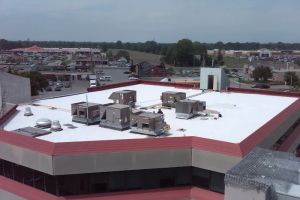
Common on modern or commercial buildings, low-slope roofs offer easier access for maintenance and a cleaner silhouette. However, they require precise waterproofing, especially in wet climates like Vancouver, where rain runoff must be carefully managed.
3.2 Standard Sloped Roofs (5:12 to 9:12)
This is the most common pitch for Canadian residential homes. It balances aesthetics with practical function — shedding snow well and accommodating common materials like asphalt shingles.
3.3 Steep-Slope Roofs (10:12 and higher)
Often seen in older Victorian or Gothic-style homes, these roofs stand out architecturally and perform well in snow-heavy environments. However, they are more expensive to install and maintain, requiring added safety equipment for contractors.
4. How Roof Pitch Affects Material Choice and Longevity
4.1 Material Compatibility
Certain materials simply perform better at specific pitches. For example, asphalt shingles are ideal for slopes above 4:12, while flat or low-slope roofs may require membrane systems like TPO or modified bitumen. Choosing the wrong material for your pitch can lead to early failure.
4.2 Maintenance Demands
Low-pitch roofs tend to accumulate debris, requiring more frequent inspection and cleaning. Steeper roofs may be harder to access, but they’re often more self-cleaning due to better runoff.
4.3 Energy Efficiency and Heat Management
A well-designed roof pitch can also improve energy efficiency. For example, steep south-facing slopes in Ontario may benefit from solar panels, while shaded north slopes may require additional insulation to prevent heat loss.
5. Real-Life Examples Across Canada
5.1 Steep Roofs in the Laurentians
A family cottage near Mont-Tremblant, Quebec, had constant roof leaks due to snow buildup on a mid-pitch roof. After working with Pickering Roofing, the owners switched to a 12:12 pitch with metal shingles. The roof now sheds snow effectively and requires minimal maintenance despite harsh winters.
5.2 Low-Slope Challenges in Vancouver
A homeowner in Vancouver’s Kitsilano neighborhood struggled with ponding water on a 3:12 asphalt-shingle roof. Pickering Roofing recommended a TPO membrane with a slight drainage regrade. The result? No more leaks — and an extended roof lifespan of over 25 years.
6. Pickering Roofing’s Approach to Smart Roof Design
6.1 Evaluating Structure and Climate
At Pickering Roofing, we analyze your home’s structural framing, climate zone, and aesthetic goals before recommending any roof pitch changes or material updates. Every roof design is tailored to your location and lifestyle needs.
6.2 Designing for Durability and Beauty
We believe a roof should protect and perform — but also enhance the look of your home. Whether you’re building new or replacing an old system, we help you understand how pitch interacts with ventilation, insulation, and resale value.
6.3 Long-Term Performance Matters
Too often, homeowners underestimate how pitch impacts longevity. We walk clients through future maintenance demands, snow management, and energy considerations so they can make informed choices. A well-pitched roof isn't just smart — it saves money in the long run.
 Couvreur Wm.Pelletier ( 9193-1071 Québec inc. )5.0 (3 reviews)
 Leading On Edge Roofing5.0 (2 reviews)
 Toiture Pro Québec Inc0.0 (0 reviews)
 Triumph Group of Companies Mississauga0.0 (0 reviews)
 Wheeler Steel Roofing and Siding5.0 (5 reviews)
 AZ Roofing3.0 (3 reviews)
 How Much Does a New Roof Cost in 2025? Canadian Roofing Price Guide
 Top Signs Your Roof Has a Leak and What to Do About It in Canada
 Can You Install a New Roof Over an Old One in Canada?
 The Top Questions to Ask Before Hiring a Roofer in Canada
 What Are the Most Common Roofing Scams and How to Avoid Them in Canada
 How to Prepare Your Home for a Roofing Project in Canada