
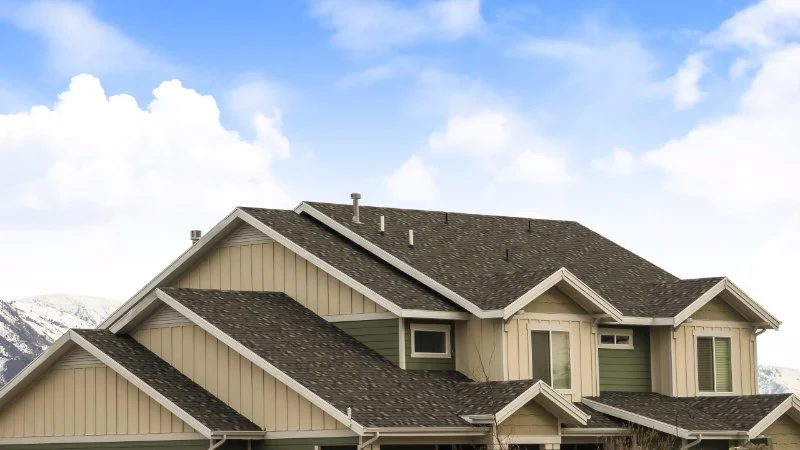
Understanding Roof Pitch and Why It Matters
- 1. What is Roof Pitch?
- 2. Different Types of Roof Pitch
- 3. Why Roof Pitch Matters
- 4. How to Choose the Right Roof Pitch
- 5. The Impact of Roof Pitch on Weather Conditions
- 6. Real-Life Case Studies of Roof Pitch
1. What is Roof Pitch?
Roof pitch refers to the steepness or slope of a roof. It is commonly measured by the ratio of the vertical rise to the horizontal span, expressed in inches. For example, a 4/12 pitch means the roof rises 4 inches for every 12 inches of horizontal length. Roof pitch is a critical factor in roofing design, influencing aesthetics, durability, and functionality.

CentiMark Ltd. / centimark corporation
740 Huronia Rd Unit 9, Barrie, ON L4N 6C6, Canada
2. Different Types of Roof Pitch
There are several types of roof pitches, each suited to different architectural styles and environmental conditions:
- Low-Pitched Roof: Typically under 4/12, these roofs are flatter and often seen in modern homes or commercial buildings.
- Medium-Pitched Roof: With pitches ranging from 4/12 to 9/12, these roofs are common in residential homes. They balance style and functionality.
- High-Pitched Roof: Above 9/12, these roofs have a steeper angle and are often used in areas with heavy snowfall to allow snow and water runoff.
3. Why Roof Pitch Matters
Understanding roof pitch is essential for several reasons:
- Water Drainage: A steeper pitch allows water and snow to slide off more easily, reducing the likelihood of leaks and water buildup.
- Insulation: Roof pitch can influence how well your attic is ventilated and insulated, which affects your home’s energy efficiency.
- Aesthetics: The roof’s pitch significantly impacts the overall look of a home. A steep roof pitch can provide a more traditional appearance, while a flatter pitch suits modern designs.
- Durability: A higher pitch can increase the lifespan of roofing materials by preventing water accumulation and minimizing weather damage.
4. How to Choose the Right Roof Pitch
Choosing the right roof pitch depends on various factors such as climate, building codes, and the style of your home:
- Climate Considerations: If you live in an area with heavy rainfall or snowfall, a steeper pitch is ideal to prevent water or snow from accumulating.
- Local Building Codes: In some areas, local building codes may dictate the minimum or maximum roof pitch based on environmental factors like wind speed and snowfall.
- Architectural Style: Traditional homes often feature steeper roofs, while contemporary homes may use a flatter pitch to create a sleek, modern look.
5. The Impact of Roof Pitch on Weather Conditions
The pitch of your roof directly affects its ability to withstand various weather conditions:
- Snow and Rain: Steeper roofs allow snow and rain to drain off more easily, reducing the risk of leaks. Flat roofs, however, are more prone to water pooling, which can lead to leaks and structural damage.
- Wind Resistance: Roofs with steeper pitches are more resistant to high winds as they create less surface area for wind pressure to act on. Flatter roofs may be more vulnerable to wind damage.
6. Real-Life Case Studies of Roof Pitch
Here are two real-life examples of how roof pitch plays a crucial role in home durability and design:
- Case Study 1 - Heavy Snowfall in Northern Canada: In a Canadian neighborhood prone to heavy snowfall, homeowners with high-pitched roofs reported fewer issues with snow accumulation and roof leaks. These roofs allowed the snow to slide off quickly, minimizing potential damage.
- Case Study 2 - Coastal Winds in Ontario: A family living near the coast chose a medium-pitched roof for their home. This pitch was able to withstand high winds, preventing damage to the roof structure and shingles during stormy seasons.
If you’re unsure about what roof pitch is best for your home, consider reaching out to the experts at Pickering Roofing. We offer professional advice and roof installations to help you choose the ideal pitch based on your location, budget, and aesthetic preferences.
 Innovation Roofing ltd5.0 (11 reviews)
 Roy Dennis Roofing4.0 (42 reviews)
 Awash Roofing4.0 (4 reviews)
 Best Quality Roofing Works Inc5.0 (4 reviews)
 Mr. Roofing & Siding5.0 (7 reviews)
 H&R Roofing3.0 (7 reviews)
 How Much Does a New Roof Cost in 2025? Canadian Roofing Price Guide
 Top Signs Your Roof Has a Leak and What to Do About It in Canada
 Can You Install a New Roof Over an Old One in Canada?
 The Top Questions to Ask Before Hiring a Roofer in Canada
 What Are the Most Common Roofing Scams and How to Avoid Them in Canada
 How to Prepare Your Home for a Roofing Project in Canada