
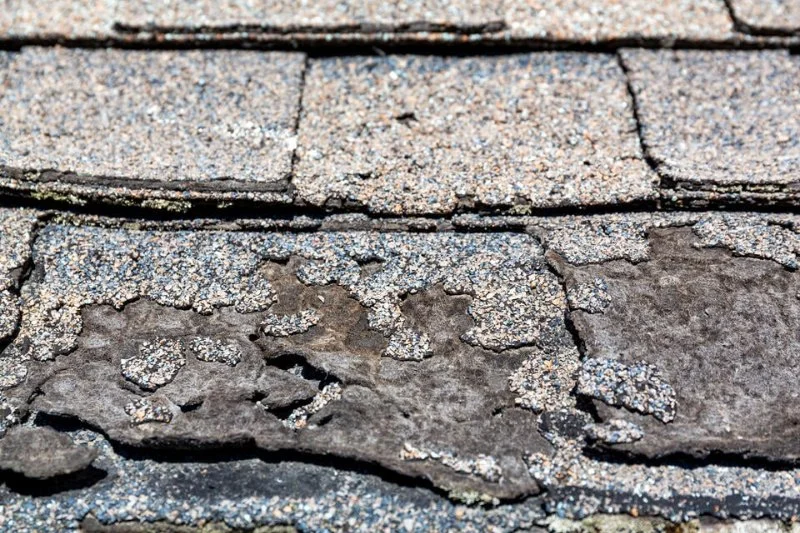
- 1. Understanding Roof Shingle Granule Loss
- 2. What Causes Roof Shingle Granule Loss?
- 3. How to Identify Granule Loss on Your Roof
- 4. Why Roof Shingle Granule Loss Matters
- 5. How to Prevent and Maintain Your Roof
1. Understanding Roof Shingle Granule Loss
Roof shingles, particularly asphalt shingles, are an essential part of your home’s roofing system. The small granules that cover the surface of asphalt shingles play a crucial role in protecting your roof from the elements. These granules are made from a variety of materials, including crushed stone, and provide UV protection, shield the shingles from weather damage, and enhance the roof's durability. However, over time, these granules can begin to wear away, leading to granule loss.
Granule loss is a common issue that many homeowners face, but it’s not always immediately noticeable. It can be caused by a variety of factors and can have serious implications for your roof's performance. Understanding what causes granule loss and how it affects your roof will help you take proactive steps in maintaining your roofing system.

GoldHill Roofing / goldhill
526 Welham Rd Unit 1, Barrie, ON L4N 8Z7, Canada
2. What Causes Roof Shingle Granule Loss?
Granule loss on roof shingles happens naturally over time, but it can be accelerated by several factors. Here are some common causes of roof shingle granule loss:
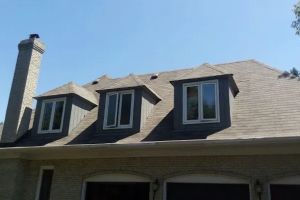
SGM Construction Roofing / sgmconstruction.ca
287 Epsom Downs Dr, North York, ON M3M 1T5, Canada
1. Age of the Shingles
One of the most common causes of granule loss is the natural aging of the shingles. As shingles age, they begin to deteriorate due to prolonged exposure to the sun, rain, and wind. Over time, the granules lose their grip on the shingle’s surface, causing them to loosen and fall off. Asphalt shingles typically have a lifespan of 15 to 30 years, and granule loss is inevitable as they near the end of their service life.
2. Severe Weather
Extreme weather conditions can significantly contribute to granule loss. Hailstorms, heavy rain, and high winds can all cause physical damage to the shingles, dislodging the granules. In areas prone to severe weather, shingles may experience faster deterioration due to the constant barrage of elements.
3. Poor Installation
If shingles are not installed properly, they may be more susceptible to granule loss. For example, improper nailing of the shingles can cause them to lift, which can result in granule shedding. Additionally, poor ventilation in the attic can lead to excessive heat buildup, which can accelerate the breakdown of the shingles and the loss of granules.
4. Foot Traffic
Walking on your roof can also lead to granule loss. Even though asphalt shingles are designed to be durable, they are not meant to withstand the weight and pressure of foot traffic. If maintenance or repairs require walking on the roof, it’s important to minimize movement and use proper techniques to avoid disturbing the granules.
3. How to Identify Granule Loss on Your Roof
Identifying granule loss is essential in determining the condition of your roof. Here's how to spot it:
1. Inspect the Roof Surface
Look for visible signs of granule loss on the shingles themselves. Granule loss can appear as darker spots or patches on the roof where the shingles are exposed. If the shingles are significantly worn down, you may notice the bare asphalt showing through, which indicates that the granules have worn away.
2. Check the Gutters
Another sign of granule loss is the accumulation of granules in your gutters. As granules loosen and fall off the shingles, they often collect in the gutters. If you notice a large amount of debris in your gutters, it’s a clear indication that your roof may be losing granules.
3. Look for Granules in Your Yard
Sometimes granules will fall off the roof and accumulate in your yard. Take a walk around your property after a heavy rain or windstorm to check for granules on the ground near the base of your house.
4. Why Roof Shingle Granule Loss Matters
Granule loss is not just an aesthetic issue; it can significantly impact the performance of your roof. Here’s why it matters:
1. Reduced UV Protection
One of the main functions of roof granules is to protect the underlying asphalt from UV rays. When granules are lost, the asphalt becomes more vulnerable to the sun’s harmful rays, which can cause it to break down more quickly. This leads to premature aging of the shingles and a decrease in the overall lifespan of the roof.
2. Increased Vulnerability to Weather Damage
Without the protective layer of granules, your roof becomes more susceptible to damage from rain, snow, and wind. The shingles may crack, warp, or even leak, leading to costly repairs or replacements down the line. Granule loss can also lead to moisture penetration, which can cause mold and mildew growth in your attic or ceiling.
3. Reduced Energy Efficiency
The loss of granules can also affect the energy efficiency of your home. Asphalt shingles play a role in insulating your home, and when granules are lost, it may reduce the roof's ability to reflect heat. This can result in higher cooling costs during the summer, as your air conditioning system may need to work harder to maintain a comfortable temperature inside.
5. How to Prevent and Maintain Your Roof
While some degree of granule loss is inevitable as your roof ages, there are steps you can take to prolong the life of your roof and prevent excessive granule loss:
1. Regular Roof Inspections
Schedule regular roof inspections, ideally once a year, to check for any signs of damage or wear. Early detection of granule loss can help you address the problem before it leads to more severe issues.
2. Proper Roof Ventilation
Ensure that your attic is properly ventilated to avoid excessive heat buildup. Proper ventilation can reduce the wear and tear on your shingles and prevent granule loss due to overheating.
3. Timely Roof Repairs
If you notice any signs of damage or granule loss, take action promptly. Repairing or replacing damaged shingles before they deteriorate further can save you money in the long run by preventing more extensive roof issues.
For the best roofing solutions and expert advice on roof maintenance and repairs, visit Pickering Roofing for top-notch services and products to keep your roof in excellent condition.


 M Roofing5.0 (1 reviews)
 A & K Roofing Co Ltd4.0 (13 reviews)
 Standard Gutters5.0 (5 reviews)
 Dynamic Roofing & Exteriors4.0 (61 reviews)
 Lance Roofing Ltd.3.0 (22 reviews)
 Alexander Slate (Marley Roof Repair & Tile Roof Repair)4.0 (28 reviews)
 How Much Does a New Roof Cost in 2025? Canadian Roofing Price Guide
 Top Signs Your Roof Has a Leak and What to Do About It in Canada
 Can You Install a New Roof Over an Old One in Canada?
 The Top Questions to Ask Before Hiring a Roofer in Canada
 What Are the Most Common Roofing Scams and How to Avoid Them in Canada
 How to Prepare Your Home for a Roofing Project in Canada