
- 1-Roof Code Compliance Overview in Canada
- 2-How Provincial Roofing Regulations Differ
- 3-Roofing Standards for Winter Climates
- 4-Considerations for Roof Materials in Different Provinces
- 5-Common Roofing Issues and How to Avoid Them
- 6-How Pickering Roofing Can Help Ensure Roof Code Compliance
1. Roof Code Compliance Overview in Canada
In Canada, roofing codes are essential to ensuring that homes and buildings are safe, energy-efficient, and resilient to local weather conditions. Roof code compliance refers to following the regulations set out in the National Building Code (NBC) of Canada and provincial or municipal codes that govern construction. These codes vary across provinces, as each region has specific needs based on climate, geography, and local construction practices.
When a roof is “code compliant,” it means it meets or exceeds the standards required for safety, durability, and efficiency. This includes using the right materials, ensuring proper insulation, and adhering to specific structural requirements to prevent damage from snow, wind, or water infiltration. Roof code compliance is not just a legal obligation; it is a safeguard against long-term maintenance issues and potential costly repairs.
XACT Roof & Renovation Ltd. / xact roofing
227 Regent Ave W, Winnipeg, MB R2C 1R3, Canada
2. How Provincial Roofing Regulations Differ
Each Canadian province has its own set of building codes and regulations that apply to roofing. These regulations take into account the unique climate conditions and environmental factors of the region. For example, the roof design requirements in British Columbia may differ significantly from those in Alberta or Ontario due to varying snow loads, rainfall, and temperature extremes.
Here are some key differences in roofing regulations by province:
- British Columbia: This province experiences high levels of rainfall and snow, so roof codes focus on waterproofing, slope requirements, and ventilation to prevent mold and water damage.
- Ontario: In Ontario, roofing codes emphasize insulation standards to improve energy efficiency, particularly in colder regions. Additionally, Ontario’s regulations address issues like wind resistance and ice dam prevention.
- Quebec: Due to the cold climate and heavy snowfall, Quebec has strict regulations concerning the strength of roof structures, especially to prevent snow buildup. Roofing materials must be chosen based on their resistance to extreme cold and ice.
- Alberta: Alberta's roofing codes focus on ensuring roofs can withstand high winds, particularly in areas prone to storms. Additionally, Alberta has guidelines on proper roof ventilation and insulation to deal with fluctuating temperatures.
3. Roofing Standards for Winter Climates
Winter climates across Canada play a significant role in determining roof construction standards. Provinces that experience heavy snowfall, freezing rain, or subzero temperatures require roofs to be designed to handle these harsh conditions effectively. These standards typically include:
- Roof Slope: Roofs in colder regions must have a steeper slope to prevent snow and ice accumulation, which can cause weight-related damage.
- Insulation: Proper insulation is required to prevent heat loss from the attic, which could lead to ice dams forming on the roof.
- Ventilation: Adequate attic ventilation is crucial for preventing the buildup of moisture that can lead to mold and rot.
In provinces like Ontario, Quebec, and Manitoba, these features are particularly critical. Roofs must be built to withstand heavy snow loads and the associated risk of ice dams that can cause water to back up under shingles, leading to leaks and interior damage.
Custom Contracting Roofing & Eavestrough Repair Waterloo / eavestrough repair waterloo
WaterlooWaterloo Regional MunicipalityOntario
165 Margaret Ave S, Waterloo, ON N2J 2E3, Canada
4. Considerations for Roof Materials in Different Provinces
In Canada, the materials used for roofing are not just a matter of aesthetic preference; they also need to meet regional code requirements and weather conditions. For example, certain materials might be more suitable for colder climates, while others might be better for areas with higher rainfall or wind speeds.
- Asphalt Shingles: Popular in many provinces due to their cost-effectiveness and ease of installation. However, in areas with heavy snow, additional reinforcement may be required.
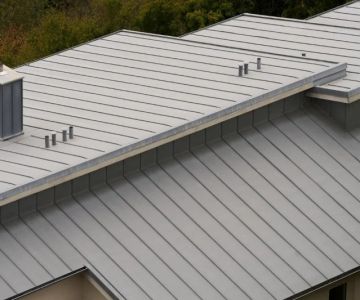
- Metal Roofing: Excellent for both snowy regions and areas with high winds. Metal roofing is durable, lightweight, and can withstand extreme conditions.
- Clay or Concrete Tiles: Used mainly in warmer climates but can also be suitable for areas with heavy rainfall. These materials are highly durable but may require a stronger structural foundation due to their weight.
- Wood Shingles: Common in regions like British Columbia, where the climate is wetter, and aesthetics are important. However, wood shingles require proper maintenance to prevent rot and decay.
5. Common Roofing Issues and How to Avoid Them
When roofing codes are not followed or when there are inconsistencies in the materials or installation process, several issues can arise, such as:
- Leaks: Roof leaks are a common problem, often caused by inadequate flashing, improper sealant use, or poor roofing material installation.
- Ice Dams: In colder climates, ice dams can form when warm air from the attic melts snow on the roof, causing water to back up and leak into the house.
- Insufficient Ventilation: Poor roof ventilation can lead to excessive heat buildup in the attic, which can damage the roof structure and reduce the efficiency of insulation.
To avoid these issues, it’s essential to work with a professional roofing contractor who is familiar with your province’s building codes and climate-specific requirements. Proper installation, regular maintenance, and adherence to the latest code standards can help you avoid costly roof repairs in the future.
6. How Pickering Roofing Can Help Ensure Roof Code Compliance
At Pickering Roofing, we specialize in ensuring that your roof is up to code and built to last. Whether you’re in Ontario, Quebec, or another province, we understand the unique roofing requirements of your region. Our team will ensure that your roof is not only compliant with local building codes but also equipped to handle the specific challenges posed by your province’s climate.
If you're planning a new roof installation or need a roof inspection, contact Pickering Roofing for expert advice and service tailored to your needs. Let us help you keep your home safe, efficient, and compliant with local regulations.
 The Haines Group0.0 (0 reviews)
 Home Shield Permanent Metal Roofing Ltd4.0 (37 reviews)
 Weather Guard Roofing Inc.5.0 (1 reviews)
 C.R.PRO0.0 (0 reviews)
 Top Roofers Toronto3.0 (2 reviews)
 Platinum Toronto Roofing Contractors5.0 (24 reviews)
 How Much Does a New Roof Cost in 2025? Canadian Roofing Price Guide
 Top Signs Your Roof Has a Leak and What to Do About It in Canada
 Can You Install a New Roof Over an Old One in Canada?
 The Top Questions to Ask Before Hiring a Roofer in Canada
 What Are the Most Common Roofing Scams and How to Avoid Them in Canada
 How to Prepare Your Home for a Roofing Project in Canada