
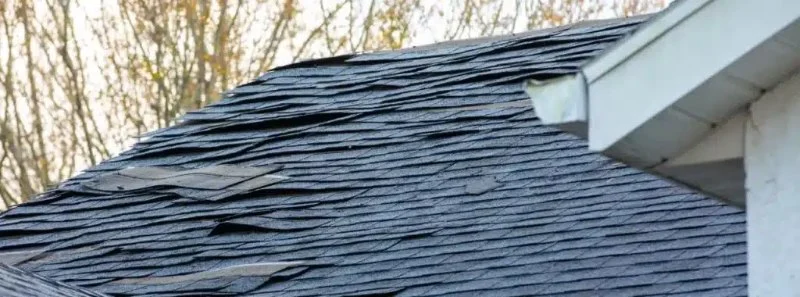
1- Identifying Sagging Roof Decks
When you notice that your roof seems uneven or has visible dips, it's important to address the issue immediately. Sagging roof decks can indicate significant structural problems, and delaying repairs could lead to further damage. Here are some key signs that may suggest your roof deck is sagging:
- Visible Dips or Curves: If the roof appears to be sagging in certain areas, you may see visible curves or dips along the roofline.
- Water Stains: Water damage, such as stains or dark spots on the ceiling, can signal that the roof deck is compromised.
- Creaking Sounds: If you hear creaking or popping noises when walking across the roof or attic, this could be a sign of weakened roof support.
If you notice any of these signs, it is important to take immediate action before the situation worsens.
GoldHill Roofing / goldhill
526 Welham Rd Unit 1, Barrie, ON L4N 8Z7, Canada
2- Common Causes of Structural Issues in Roofs
Sagging roof decks and other structural issues can be caused by a variety of factors. Understanding the underlying causes can help you prevent future problems and address them quickly. Some of the most common causes include:
Advanced Level Roofing / advanced level roofing winnipeg
1549 St Mary's Rd #101, Winnipeg, MB R2M 5G9, Canada
1. Excessive Snow Load
In Canadian regions, heavy snowfall can put immense pressure on a roof. If the snow accumulates beyond the roof's weight limit, it can cause the deck to sag. This is especially true for older homes with less sturdy roofing systems.
2. Poor Roof Design or Installation
If your roof was poorly designed or improperly installed, it could lead to structural weaknesses. Inadequate support beams, improper material choices, or mistakes during construction can contribute to sagging roof decks.
3. Water Damage
Leaks from broken shingles, clogged gutters, or damaged flashing can allow water to seep into the roof structure. Over time, this moisture can weaken the roof deck, leading to sagging.
4. Age of the Roof
Over time, even the best roofing materials can weaken. Older roofs, particularly those that have not been well-maintained, are more likely to experience structural issues and sagging decks.
3- Steps to Take When You See Sagging Roof Decks
When you spot sagging in your roof deck, it's critical to take the right steps to address the problem. Here’s what you should do:
1. Assess the Situation
First, evaluate the extent of the sagging. Look for visible signs of water damage, mold, or cracked beams. It’s important to determine how serious the issue is before proceeding.
2. Clear the Area
Make sure there are no obstructions in the attic or the area below the sagging roof. This will help you get a better view of the problem and keep the area safe for inspection.
3. Contact a Professional
If the damage seems extensive, it’s time to contact a professional roofer. A roofing expert can accurately assess the damage and recommend the best course of action for repair.
4- Importance of Professional Roof Inspection
While you can perform a basic visual inspection, only a professional roofer can fully assess the extent of structural issues in your roof. A roof inspection is crucial for the following reasons:
- Accurate Diagnosis: Professionals have the experience and tools needed to identify hidden structural issues that you might miss during a casual inspection.
- Safety: Roof work can be dangerous, especially when dealing with sagging decks. A professional ensures that repairs are done safely.
- Prevent Further Damage: A roofer can address small issues before they become large, costly problems, saving you money in the long run.
5- How to Prevent Future Roof Issues
Preventing future roof problems is key to maintaining the integrity of your home. Here are some tips for ensuring your roof stays in good condition:
1. Regular Roof Inspections
Schedule regular roof inspections, especially after severe weather or a heavy snowfall. Early detection can prevent costly repairs down the line.
2. Proper Roof Maintenance
Ensure that gutters are clear, shingles are intact, and flashing is sealed properly. Regular maintenance will help prevent water damage and prolong the lifespan of your roof.
3. Strengthen Roof Supports
If you live in an area prone to heavy snowfall, consider reinforcing your roof supports to handle the extra load. This will reduce the risk of sagging decks during the winter months.
6- Real-Life Case Studies of Roof Repairs
Many homeowners in Canada have dealt with sagging roof decks and structural issues. Here are a couple of real-life examples:
- Case 1: A Home in Ontario - After a heavy snowfall, a homeowner noticed visible sagging in the roof. A professional roofer discovered that the snow load had caused significant damage to the roof deck, which required reinforcement and repair.
- Case 2: A Coastal Cottage in Nova Scotia - Due to constant exposure to saltwater, the roof deck of a coastal cottage began to weaken over time. The homeowner hired an expert roofer to replace damaged beams and improve the roof’s structural integrity.
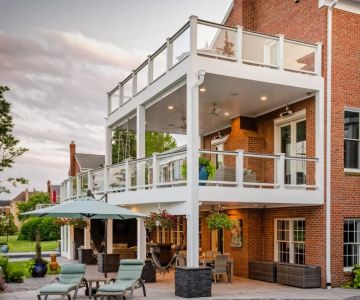
 Advanced Systems Roofing & Waterproofing Ltd.5.0 (1 reviews)
 Toitures Martin Roussel Enr (Les)5.0 (1 reviews)
 Haida Roofing & Drainage5.0 (6 reviews)
 Ozmun Exteriors4.0 (249 reviews)
 Libra Envelope Metal Shop5.0 (1 reviews)
 VanDutch Exteriors0.0 (0 reviews)
 How Much Does a New Roof Cost in 2025? Canadian Roofing Price Guide
 Top Signs Your Roof Has a Leak and What to Do About It in Canada
 Can You Install a New Roof Over an Old One in Canada?
 The Top Questions to Ask Before Hiring a Roofer in Canada
 What Are the Most Common Roofing Scams and How to Avoid Them in Canada
 How to Prepare Your Home for a Roofing Project in Canada